
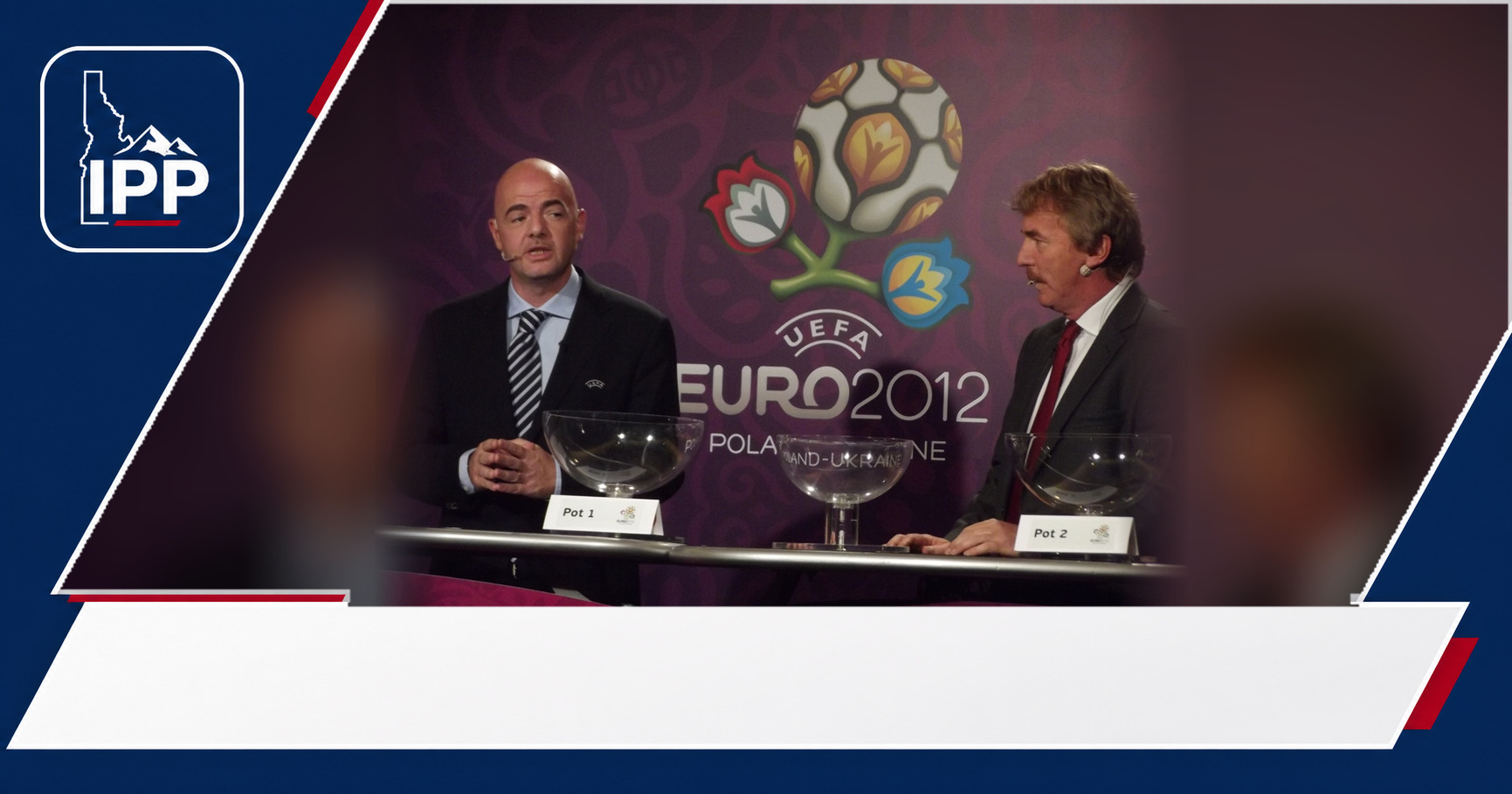
The FIFA president says his organization delivered joy, safety and unity. His critics see something more troubling: a leader increasingly hostile to scrutiny.
Gianni Infantino’s leadership is under criticism at FIFA, and the argument now being made by his fiercest detractors is blunt: football needs to be protected from his influence. After Infantino used a 15-part Instagram message to condemn World Cup critics as spreading hate and false narratives, the backlash widened into a larger question about whether the man running football’s world governing body is becoming a threat to FIFA and the sport.
This is not only about tone. It is about power, accountability and whether FIFA can still separate the interests of football from the instincts of one president determined to define criticism as hostility.
A victory lap turned combative
Infantino’s latest controversy followed the World Cup staged across the United States, Canada and Mexico, a tournament reported by The Guardian to have been won by Spain. Rather than simply celebrating the event, the FIFA president posted a long message attacking detractors who, in his view, had ignored the tournament’s success.
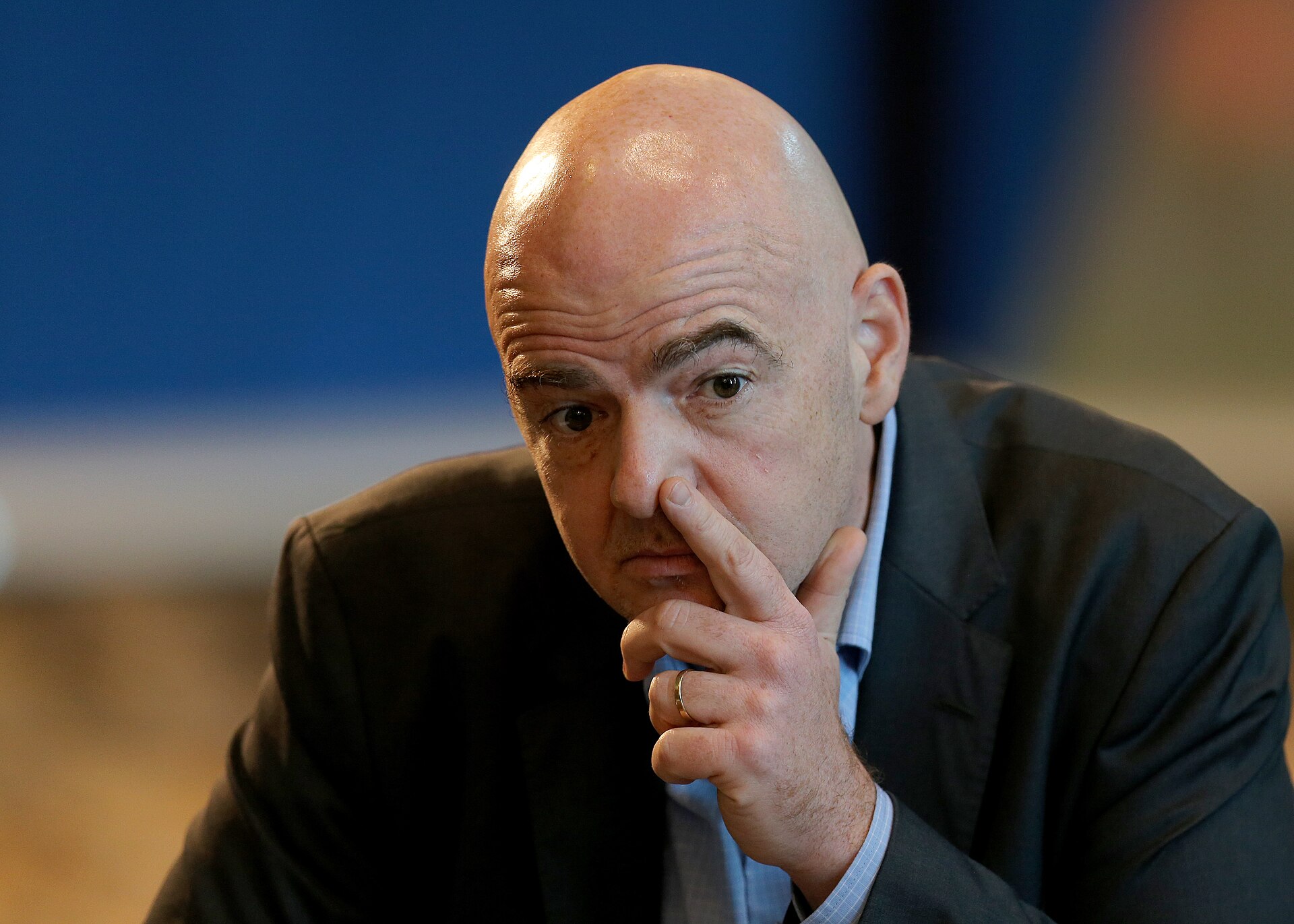
He said critics had been consumed by hate and had missed the joy around the competition. He defended FIFA as being on the front line of organizing what he called the best show in the world, and said the tournament had produced no violence, no incidents and complete safety and security.
That kind of defiance is not new from Infantino. What made this episode sharper was the setting: after a World Cup already shadowed by complaints over visas, politics, refereeing and disciplinary decisions, the president appeared less interested in explaining FIFA’s decisions than in rebuking those questioning them.
Where the criticism lands
The case against Infantino is not that FIFA should never defend itself. A global tournament will always generate disputes, and some criticism will be unfair, partisan or poorly informed.
The sharper concern is that FIFA’s president increasingly treats scrutiny as an attack on football itself. That matters because FIFA is not a private fan club. It governs the world’s most popular sport, distributes money, oversees tournaments, manages disciplinary systems and sets the tone for how national associations interact with politics and power.
Critics see a pattern: expansive rhetoric, personal grievance, close proximity to political leaders and a governing culture that appears more loyal to the president than to transparent decision-making. The Telegraph’s framing that football must be saved from a “megalomaniac” Infantino is opinionated and loaded, but the underlying fear is specific: a president too comfortable centralizing authority can make FIFA less accountable just when the game is becoming bigger, richer and more politically valuable.
FairSquare, a human rights organization, has been among the public critics. Its co-founder Nicholas McGeehan told The Telegraph, according to The Guardian’s account, that Infantino’s statement underscored what he called the FIFA president’s unfitness to govern world football and suggested he was insulated by loyalists inside the organization.
FIFA’s defense has substance
There is a counterargument, and it should not be dismissed. FIFA did stage a vast, complicated tournament across three countries. Security, logistics, commercial delivery and global broadcast reach are not minor achievements.
Infantino’s defenders can argue that a president has every right to push back when the organization believes its work is being caricatured. They can also point to football’s ability to bring fans together across borders at a time when international politics is brittle and often hostile.
Infantino leaned hard into that point. On visa and travel issues, he argued that football is about peace rather than politics, and said teams and countries facing challenges were granted entry. His message was that FIFA had delivered inclusion and calm where critics predicted conflict.
The problem is that even a successful tournament does not erase governance questions. In fact, success can make those questions more urgent, because a winning spectacle can be used to wave away legitimate concerns about how decisions were made.
The political neutrality question
One of the most sensitive issues around Infantino is not simply his personality. It is the perception that FIFA’s president can become too closely identified with political power.
The Guardian reported that FairSquare filed a formal complaint against Infantino to the International Olympic Committee, accusing him of breaching the Olympic Charter’s rules on political neutrality through statements or other expressions of support for the U.S. president. Infantino has been an IOC member since 2020.
The IOC said it would not investigate because the complaint fell outside its ethics commission’s jurisdiction. That decision does not settle the broader debate. It only shows how hard it can be to police the boundaries between sport, diplomacy and political theater when the head of world football operates on a global stage.
For FIFA, neutrality is not a slogan. It is supposed to be a shield protecting competitions from the interests of governments, sponsors, presidents and power brokers. When critics argue that Infantino is a threat to FIFA governance, this is what they mean: not that every meeting with a politician is improper, but that repeated political closeness can blur lines FIFA cannot afford to blur.
Small decisions, bigger signals
The recent criticism also touched specific tournament controversies. The Guardian cited scrutiny over FIFA’s suspension of an automatic one-match ban for U.S. striker Folarin Balogun after intervention by Donald Trump. It also noted criticism of officiating decisions in Argentina’s last-16 win against Egypt, including strong objections from Egypt manager Hossam Hassan.
Infantino responded that mistaken cards and later decisions not to ban players happen in major leagues around the world. On one level, that is true. Football’s disciplinary process is never immune from judgment calls.
But the question is not whether every disputed decision proves favoritism. The question is whether FIFA has built enough trust for fans, teams and national associations to accept controversial rulings as ordinary governance rather than influence at work.
Trust is the currency FIFA keeps spending. When it is depleted, every exception looks suspicious, every presidential intervention looks strategic and every angry message from the top makes the institution feel smaller than the sport it governs.
Why fans should care
For many supporters, FIFA politics can feel distant from the actual game. Fans care about goals, players, tickets, travel and whether their team gets a fair match. Governance sounds like committee-room fog.
Yet governance determines the conditions under which all of that happens. It shapes who gets to host tournaments, how fans are treated at borders, how disciplinary cases are handled, how commercial priorities are balanced against sporting fairness and how human rights concerns are addressed.
Infantino’s critics are not arguing that he alone created every problem in football. They are arguing that his leadership style makes existing problems harder to challenge. When the president casts critics as haters rather than stakeholders, FIFA risks treating accountability as a nuisance instead of a duty.
That is why this dispute has outgrown one Instagram post. It is a test of whether world football can tolerate strong oversight of its most powerful official, or whether the sport’s scale and money have made that oversight increasingly theatrical.
The unanswered issue
The cleanest defense of Infantino is delivery: the tournament happened, millions watched, FIFA celebrated safety and unity, and the president believes the critics missed the point.
The cleanest criticism is governance: delivery is not the same as accountability, and a spectacular World Cup does not give FIFA’s president a free hand to define scrutiny as malice.
What remains unclear is who, inside football, can meaningfully check the FIFA president when concerns are not criminal allegations or formal ethics violations but patterns of behavior, tone and power. National associations depend on FIFA. Confederations benefit from the system. Fans have passion, not votes.
That is why the phrase “save football” resonates even when it sounds overheated. The sport does not need saving from one man in the simple, melodramatic sense. It needs protection from any structure that lets one man become bigger than the institution he leads.


Leave a Reply