
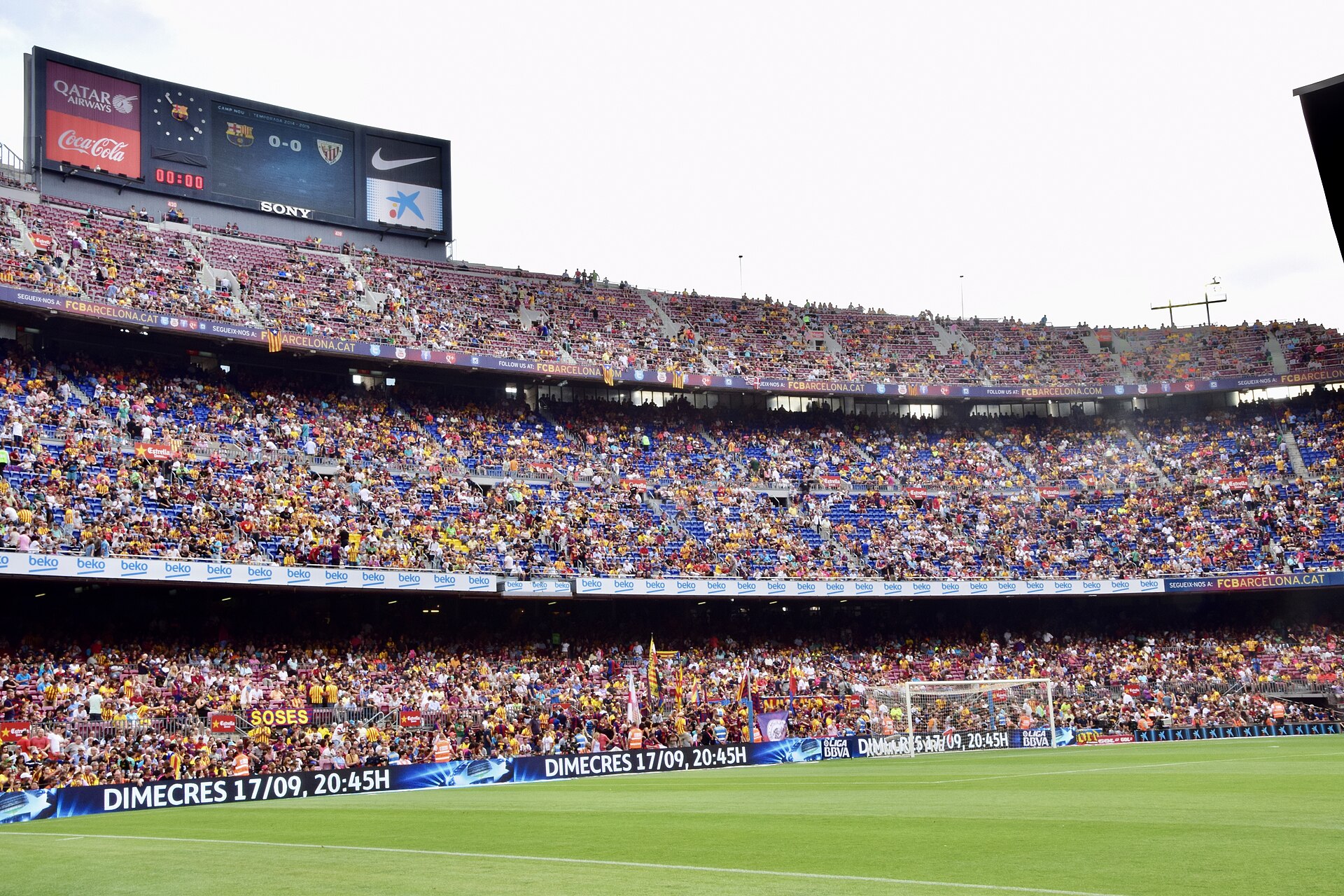
The order turns a stadium safety report into an immediate football problem for Rayo Vallecano, its supporters and La Liga scheduling. The key question now is where the club plays while emergency repairs are carried out.
Rayo Vallecano must leave its home stadium for up to six months after Madrid regional authorities found safety failures at Estadio de Vallecas in Madrid, Spain, and ordered emergency maintenance and closure on Tuesday. The La Liga club required to vacate the ground now faces a temporary relocation while officials address fire risk and Legionnaires’ disease concerns.
The repair window is expected to run 2 to 6 months at a stadium constructed in 1976, according to reports citing the regional audit. That puts Rayo, La Liga and supporters into a practical bind: safety work cannot wait, but neither can a club calendar built around home fixtures.
Why Vallecas was closed
The immediate trigger was an audit that identified safety failures and serious regulatory breaches at Estadio de Vallecas, Reuters reported. Madrid’s regional authorities said urgent action was needed, suspending Rayo Vallecano’s use of the stadium while emergency maintenance is carried out.
The reported problems were not cosmetic. The inspection flagged fire concerns, including risks tied to debris accumulation and faulty installations, as well as unsanitary conditions connected to possible Legionnaires’ disease risk.
Legionnaires’ disease is a serious form of pneumonia usually associated with contaminated water systems. The available reports describe a risk concern, not a confirmed outbreak at the stadium. That distinction matters, but it does not make the warning minor for a venue that hosts thousands of people on matchdays.
For public authorities, the logic is straightforward: a football ground cannot remain open if basic safety and health requirements are in doubt. For Rayo, the result is a forced move with little room for sentiment.
The repair timeline is broad
The expected repair period is unusually wide: between two and six months. That range suggests the work may depend on what crews find once they begin correcting the deficiencies, not just on a fixed calendar of routine upgrades.
A two-month closure would be disruptive. A six-month absence would reshape a large chunk of Rayo’s season, forcing the club to manage temporary matchday operations, ticketing, fan travel and possibly training or logistical arrangements around a substitute venue.
What remains unclear is the exact scope of the works, the sequence of repairs and the conditions authorities will require before the ground reopens. In cases like this, reopening usually depends not only on finishing construction work, but on passing the inspections that prove the risks have been removed.
That uncertainty is why the story matters beyond one club. Stadium safety orders can turn into sporting, financial and community disputes when the venue is as central to club identity as Vallecas is to Rayo.
A beloved ground with limits
Estadio de Vallecas is not a neutral piece of real estate for Rayo Vallecano. It is part of the club’s identity in the Vallecas district of Madrid, a compact, urban ground closely associated with one of Spain’s most distinctive supporter cultures.
But the stadium’s age has long complicated that romance. Built in 1976 and owned by Madrid’s regional government, the ground has had to serve modern top-flight football demands in a structure approaching 50 years old.
Reuters reported in 2024 that the club’s stadium situation was already a flashpoint, with arguments over the need for a venue that meets modern standards of safety, comfort and revenue. That debate has often run into resistance from supporters who see Vallecas not as a problem to escape, but as the club’s home.
The new closure gives both sides of that older argument something to point to. Those pressing for major upgrades can cite the audit. Those wary of losing the ground can argue that emergency repairs should not become a backdoor route to weakening the club’s link with its neighborhood.
Rayo must find a temporary home
The most urgent football question is where Rayo Vallecano will play while Estadio de Vallecas is unavailable. Reports say contingency plans involve alternative venues, but the club has not publicly laid out a full relocation plan in the material currently available.
That decision is more complicated than picking an open stadium. Rayo need a venue that satisfies league requirements, security planning, broadcast infrastructure and fan access. The substitute ground also has to work around another club’s calendar if it is already in regular use.
There are competitive consequences, too. Home advantage in football is not just grass and seats. It is routine, crowd pressure, travel rhythm and familiarity. For a club like Rayo, whose home atmosphere is part of its edge, a neutral or borrowed venue could change the feel of matches even if the fixture list remains intact.
La Liga will also have a stake in the solution. The league needs fixtures staged safely, broadcast commitments protected and visiting clubs given certainty. That is why the venue answer cannot drift for long.
Supporters face another strain
The closure lands at a sensitive time for Rayo fans. Agency summaries of the situation noted supporter frustration over season ticket prices, adding another layer to a story already shaped by mistrust between parts of the fan base and club leadership.
The club’s owner, Raul Martin Presa, has been a recurring focus of supporter discontent, according to prior reporting on the stadium debate. The safety order does not create that tension, but it intensifies it because fans will be asked to adapt to disruption they did not choose.
There is a fair counterpoint: if the audit identified serious risks, reopening without repairs would be irresponsible. Supporters may be angry about the process, prices or communication, but few would argue that fire hazards or disease-related risks should be ignored in a packed stadium.
The harder issue is trust. Fans will want to know why the problems reached the point of an emergency closure, who is responsible for fixes at a government-owned stadium, and whether the temporary move will remain truly temporary.
What has to happen next
Rayo Vallecano now need three answers quickly: where the team will play, how long the first phase of repairs will take, and what matchgoing supporters should expect during the relocation period.
Madrid regional authorities will need to oversee the emergency maintenance and determine when the stadium meets required standards. The club, meanwhile, will have to communicate clearly on tickets, access, scheduling and any compensation or adjustments if supporters are sent to a different venue.
The cleanest outcome is a short closure, completed repairs and a safe return to Vallecas. The messier possibility is a longer absence that revives every unresolved argument about whether the stadium can keep meeting modern expectations.
For now, the core fact is not in dispute: Rayo Vallecano have been forced out of Estadio de Vallecas because inspectors found risks serious enough to shut the ground. The next phase will show whether this is a contained repair project or the start of a larger fight over the club’s home.










Leave a Reply