
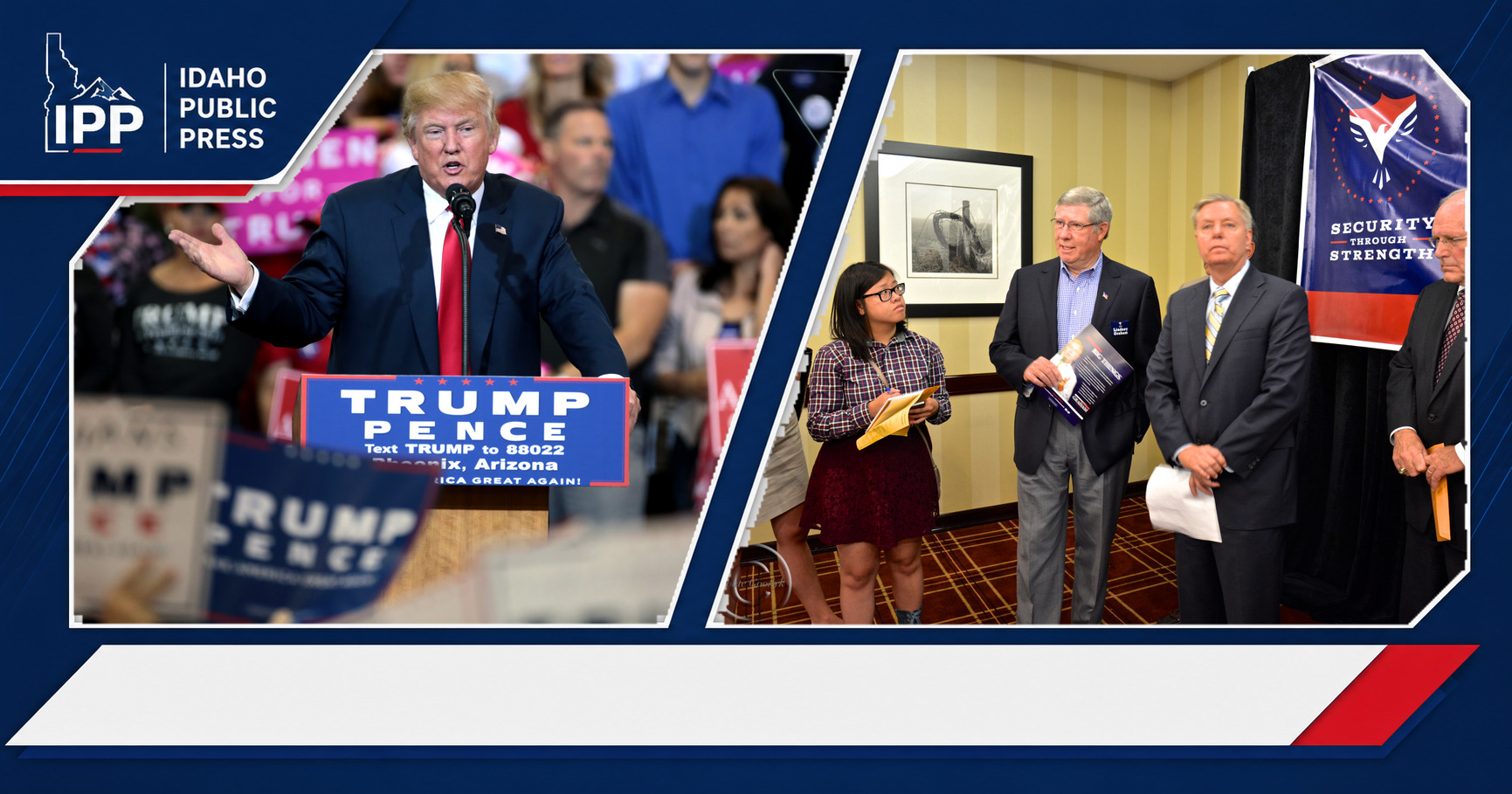
The service was meant to honor one of the Senate’s most recognizable Republicans. Instead, Trump’s tone and appearance became part of the political conversation around the memorial.
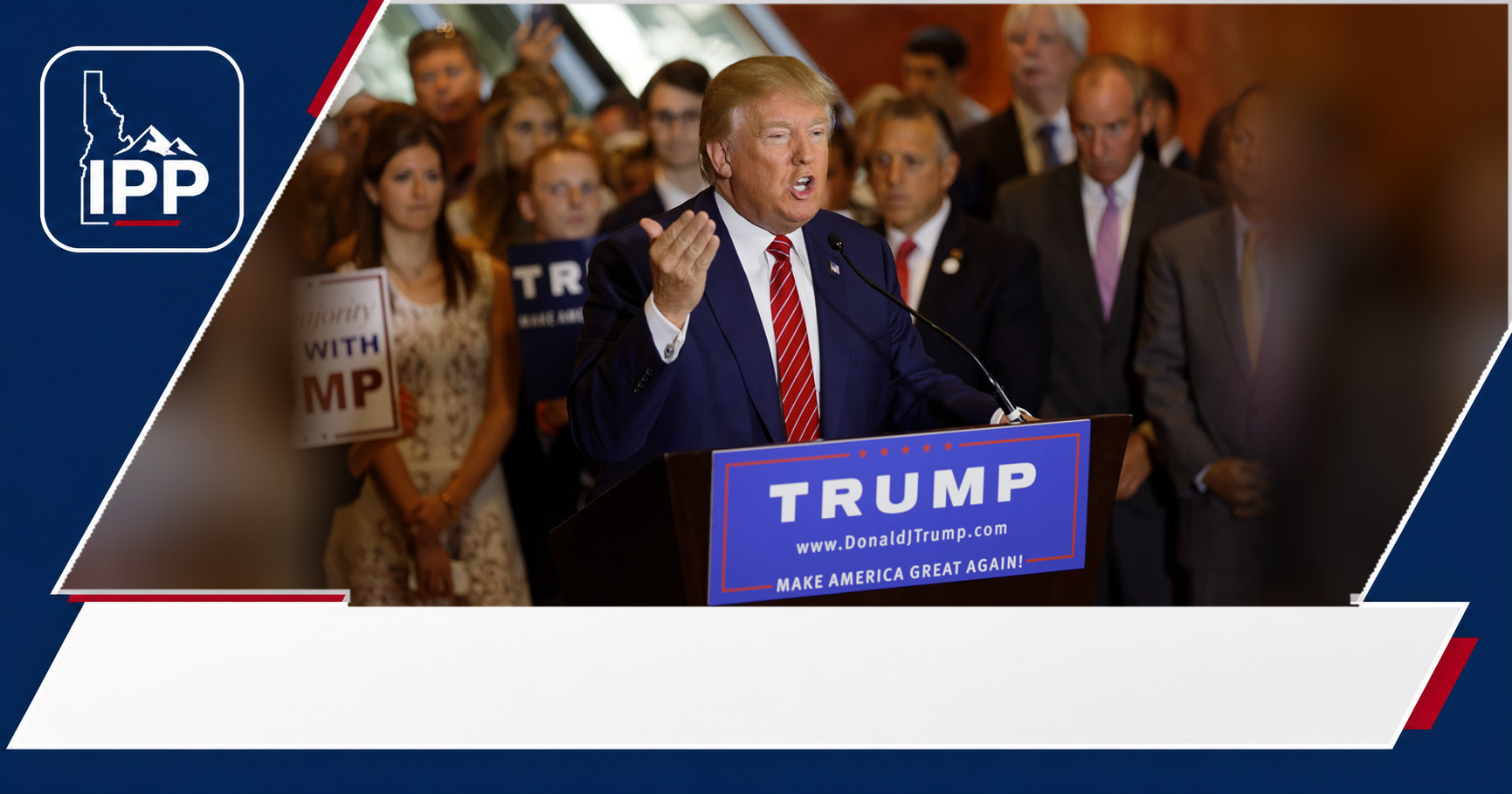
Donald Trump was seen falling asleep after mocking Lindsey Graham at a funeral, according to a New Republic item circulating on MSN; the moment came at Lindsey Graham’s funeral in Washington on Tuesday, July 28, 2026. Trump, 80, was among the public figures who gathered at Washington National Cathedral to honor the late Republican senator.
The episode matters because Graham’s memorial was not a small private service. AP News reported that foreign leaders, Cabinet officials, Supreme Court Justice Brett Kavanaugh and members of Congress attended, turning the funeral into a major Washington tribute — and making Trump’s conduct part of the day’s political story.
The moment drawing attention
The sharpest claim now traveling online is that Trump appeared to fall asleep after remarks that critics described as mocking Graham. The New Republic’s MSN headline framed the scene that way, putting Trump’s age, 80, directly in the story’s political optics.
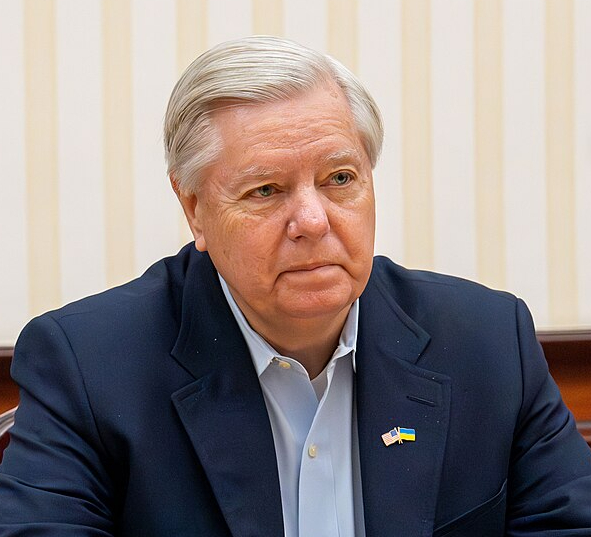
AP News, in its account of the Washington ceremonies, did not report the sleep moment. What AP did report is that Trump spoke at the funeral and used part of his eulogy to revisit one of the most infamous episodes in his long, complicated relationship with Graham.
During the 2016 campaign, Trump publicly disclosed Graham’s cellphone number after Graham criticized him. At the cathedral, AP reported, Trump recited the number again while telling the story, then said Graham had the last laugh because he kept calling Trump for the next 10 years.
That is the divide in how the moment is being received. Supporters may hear an old political story told with familiarity at a service for a man known for sharp humor. Critics see the same anecdote as badly timed, especially when paired with the reported image of Trump appearing to nod off during a memorial.
A funeral with national weight
Graham’s funeral followed a congressional tribute at the U.S. Capitol, where his flag-draped casket was brought to the Rotunda. AP described him as the son of pool hall owners who became one of the most influential U.S. politicians of his generation.
The scale of the memorial reflected that influence. AP reported that Israel’s Benjamin Netanyahu and Ukraine’s Volodymyr Zelenskyy were among those present, a signal of Graham’s focus on foreign policy, military power and America’s role abroad.
Trump was not the only major Republican figure in attendance. AP listed Vice President JD Vance, Senate Majority Leader John Thune, Secretary of State Marco Rubio, Defense Secretary Pete Hegseth, Justice Brett Kavanaugh, senators, former lawmakers and Graham’s sister, Sen. Darline Graham, among the mourners.
Those names help explain why the story is resonating beyond a single awkward clip or headline. This was a ceremony built to commemorate a senator with reach across Congress, conservative media, the courts and foreign capitals.
Trump’s joke had history
Trump and Graham’s relationship was never simple. Graham ran against Trump for the Republican presidential nomination, criticized him sharply, then later became one of his most visible allies in the Senate.
The phone-number story captures that arc. It began as a campaign-trail humiliation and ended, at least in Trump’s telling, as proof of Graham’s persistence and access. AP reported that Trump called Graham a giant of the United States Senate and a true American original who left too soon.
Trump also described Graham as someone who could make people laugh and someone opponents did not want to fight. That dual portrait fits Graham’s public image: gregarious, relentless, interventionist and often hard to categorize neatly inside the Republican Party.
Still, funeral humor is risky, especially when delivered by a figure as polarizing as Trump. A story intended to show closeness can also sound self-referential. At a memorial, the line between affectionate teasing and making the room about oneself can be thin.
Why the sleep claim landed
The reported sleep moment is politically potent because it lands in a familiar debate over age, stamina and public performance. Trump’s allies have long framed him as energetic and combative. Images suggesting fatigue cut against that brand, even if they do not prove anything medically meaningful.
It also lands because memorial services carry a different code of behavior than rallies or campaign speeches. Attendees are expected to show restraint, attention and respect. A public figure appearing to drift off can become a symbol, whether or not the interpretation is fair.
There are reasons for caution. A still image or brief video can be misleading. People close their eyes, look down, pray or pause during long services. Without fuller context, it is difficult to know whether Trump was asleep, resting his eyes or caught in an unflattering instant.
That uncertainty has not stopped the political reading. For critics, the allegation fits an existing argument about Trump’s temperament and respect for institutions. For supporters, the criticism is likely to look like another attempt to turn a solemn event into an attack.
Graham’s complicated legacy
AP’s account of the services emphasized Graham’s long career: first elected to Congress in the 1994 Republican wave, later elected to the Senate in 2002, and eventually known for his alliance with John McCain and Joe Lieberman on national security issues.
That foreign-policy identity made his funeral unusually international. Netanyahu and Zelenskyy attending the same memorial underscored Graham’s years of advocacy for an assertive U.S. posture overseas, including support for Ukraine that divided parts of the Republican Party.
Vance, according to AP, acknowledged arguing with Graham over Ukraine aid but still praised his legacy. Thune became emotional while describing Graham as a towering figure. Fox News host Sean Hannity also spoke, saying Graham would have been moved by the foreign leaders who traveled to attend.
Graham’s burial was set to follow in South Carolina, and AP reported that Joint Base Charleston would be renamed in his honor. That kind of institutional tribute points to the breadth of Graham’s reputation even among those who disagreed with him.
The takeaway from Washington
The durable story from the funeral may not be one line or one apparent lapse. It is the collision of three things: Graham’s stature, Trump’s instinct for personal storytelling and the unforgiving way public ceremonies are now processed online.
What is clear from AP’s reporting is that Trump spoke at a major Washington memorial and revived the old cellphone-number episode as part of his tribute. What is less clear, based on available source material, is the full context of the reported sleep moment and how long it lasted.
That distinction matters. The funeral was a tribute to Graham’s life and career, but the reaction to Trump shows how quickly even a memorial can become a referendum on style, age and political decorum.
For readers trying to make sense of the uproar, the key is not just whether Trump’s joke landed or whether the sleep claim is fair. It is that, at a ceremony designed to honor Graham, Trump once again became one of the central subjects of the national conversation.


Leave a Reply