
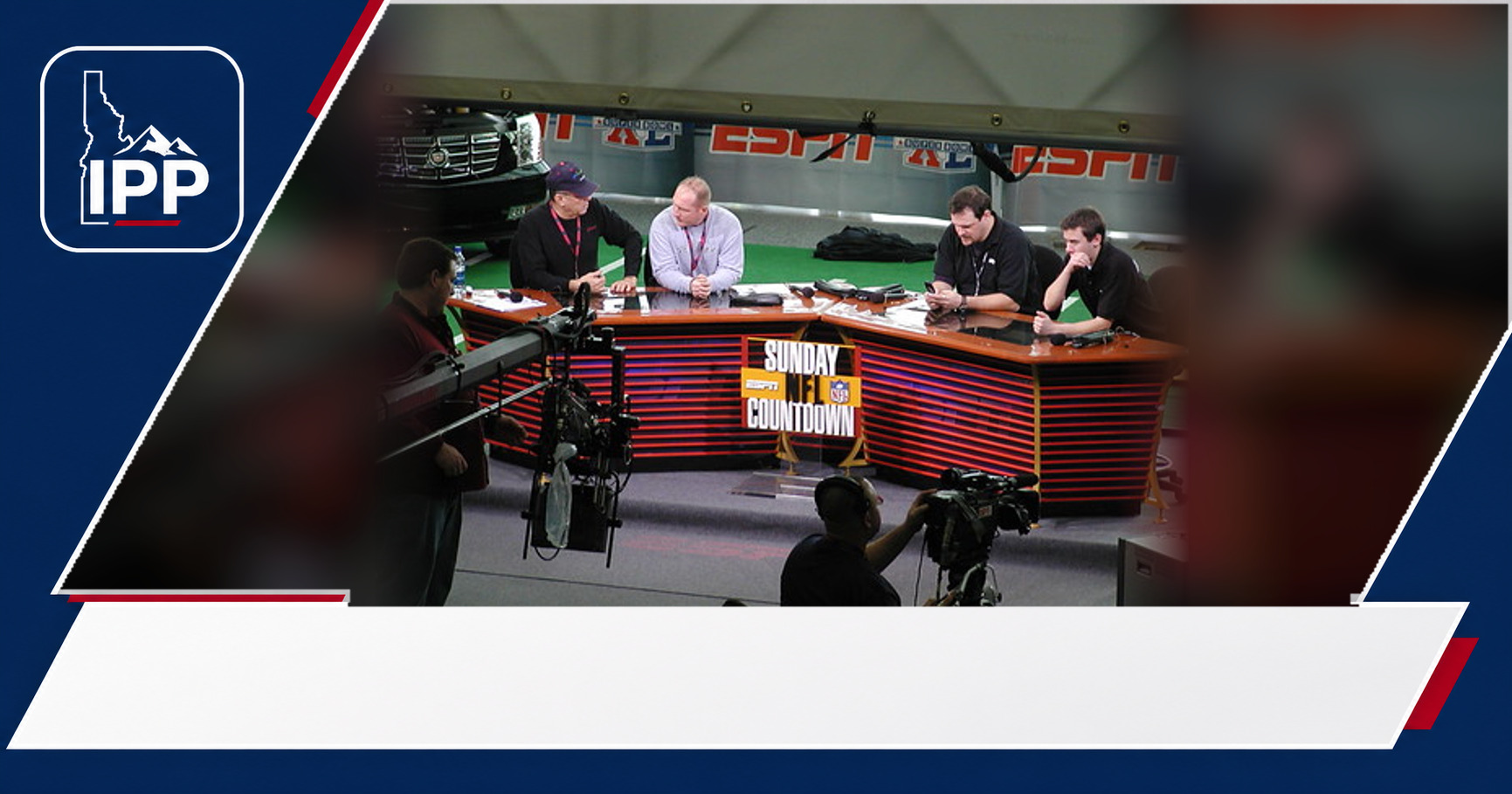
The reported agreement keeps Smith at the center of ESPN while giving him more room outside the network. The headline number is eye-popping, but the real story is control, taxes, timing and leverage.
Stephen A. Smith signed a new ESPN contract worth at least $100 million over five years, The Athletic reported on March 7, 2025, keeping him at ESPN and atop First Take. But the headline contract value is not the same as Smith’s personal fortune. His $100M ESPN deal isn’t proof that he can instantly bank $100 million; it is a gross, multiyear employment package before taxes, representatives, business costs and time.
The deal matters because Smith is no longer just a loud, popular sports commentator. ESPN is paying to keep one of its most recognizable daily faces while reportedly giving him more space to appear elsewhere, talk politics and build a bigger media business around himself.
The headline number has limits
A $100 million contract sounds like a $100 million fortune because that is how big media deals are usually presented. The public sees the total value first, not the path the money takes before it reaches the person named in the headline.
Smith’s reported deal is for at least $100 million over five years, according to The Athletic, which cited sources briefed on the agreement. That averages to at least $20 million per year if the money is paid evenly and if the contract is fulfilled as reported.
That is still an enormous salary by any measure. It also is not the same thing as net worth, liquid cash or take-home pay. Federal taxes, state and local taxes where applicable, agent or lawyer fees, management costs, production expenses and business overhead can all reduce what a star actually keeps.
The exact structure matters too. Public reports do not spell out every guarantee, payment schedule, incentive, outside-rights clause or termination provision. Without those details, the safest reading is simple: Smith has a massive reported ESPN contract, but no one outside the deal should treat the full headline figure as money already sitting in his account.
What ESPN is buying
The Athletic reported that Smith will remain a fixture on First Take, ESPN’s weekday morning debate show and one of the network’s signature studio franchises. That point is central. ESPN is not just paying for opinions. It is paying for habit.
Morning sports television depends on familiar voices who can turn yesterday’s game, a superstar feud or a front-office decision into appointment viewing. Smith has become one of the rare studio personalities whose name can drive clips, social posts and cable conversation on its own.
The reported agreement also says something about ESPN’s priorities as the sports-TV business changes. Live games still anchor the company, but daily personalities help stretch those rights across the week. Smith gives ESPN a steady engine for debate, reaction and viral moments when there is no game on the screen.
From that perspective, the size of the deal is less surprising. ESPN is trying to retain a star who helps fill hours of programming, fuels digital distribution and keeps the brand visible beyond traditional broadcasts.
Less ESPN can mean more Stephen A.
The most interesting part of the reported contract may not be the money. It is the workload shift.
According to The Athletic, Smith is expected to continue leading First Take while scaling back some other required ESPN appearances. The report said he would no longer be a regular on ESPN’s premier NBA pregame show, though he could still appear occasionally on major basketball studio programming, Monday Night Football pregame coverage and other big events.
That kind of arrangement can be valuable for both sides. ESPN keeps Smith where he is most identified with the network. Smith gets relief from being everywhere at once.
It also creates room for outside work. The Athletic reported that the flexibility could allow Smith to make more appearances on other platforms and potentially earn additional money outside ESPN. In other words, the ESPN salary may be only one part of the broader Stephen A. Smith business.
Politics changed the calculation
Smith’s value to ESPN has grown partly because his profile has moved beyond box scores. He has spoken frequently about politics and national issues, including President Donald Trump and former Vice President Kamala Harris, and has appeared in political media settings such as interviews with Sean Hannity on Fox News.
That crossover is useful and risky. For Smith, it expands the audience. For ESPN, it keeps a major personality culturally relevant at a time when sports debate often spills into politics, race, money and celebrity.
It also gives critics an easy complaint. Some viewers want ESPN personalities to stay closer to sports. Others see Smith’s range as exactly why he commands a premium: he can talk about the NBA, the NFL, presidential politics and pop culture without losing the loud, direct style that made him famous.
The Athletic noted that Smith has been mentioned as a potential presidential candidate and has talked about that possibility, while also downplaying the idea of actually campaigning. That is not a small wrinkle. If he ever seriously pursued a 2028 Democratic presidential run, the report said he would likely be able to fulfill only part of the ESPN contract.
The old salary shows the jump
The reported contract also marks a major jump from where Smith already was. The Athletic said he previously made $12 million per year at ESPN. A five-year package worth at least $100 million would put him at a reported average of at least $20 million annually.
That increase reflects more than tenure. Smith has become a category of sports-media talent that is closer to a franchise than a commentator. ESPN can swap analysts around him, but replacing his specific combination of volume, recognition and clip-friendly certainty would be difficult.
There is a competing view. Big personality deals can make networks look dependent on individual stars, and debate programming can be polarizing. If audiences tire of the format, a contract that looks smart in year one can look heavy later.
Still, ESPN’s reported move suggests it believes Smith remains worth the premium. In a fragmented media market, reliable attention is expensive.
What remains unclear
ESPN declined to comment to The Athletic, and the full terms were not publicly announced in the report. That leaves important questions unanswered.
- How much of the reported $100 million-plus is fully guaranteed?
- Are there performance bonuses, production commitments or outside-media restrictions?
- How much freedom does Smith have to monetize his own show, political commentary and appearances?
- What happens if his outside profile becomes more political than ESPN wants?
Those details matter because modern media deals are not only about salary. They are about rights, time, exclusivity and optionality. Smith’s reported agreement appears to give ESPN the daily show presence it needs while giving him room to keep expanding.
The clean takeaway is that both things can be true. Stephen A. Smith’s ESPN deal is a huge reported payday and one of the clearest signs of his power in sports media. It also is not a $100 million personal fortune, and treating it that way misses the bigger story: ESPN is paying for a star whose value now extends well beyond the desk he sits behind each morning.







Leave a Reply