
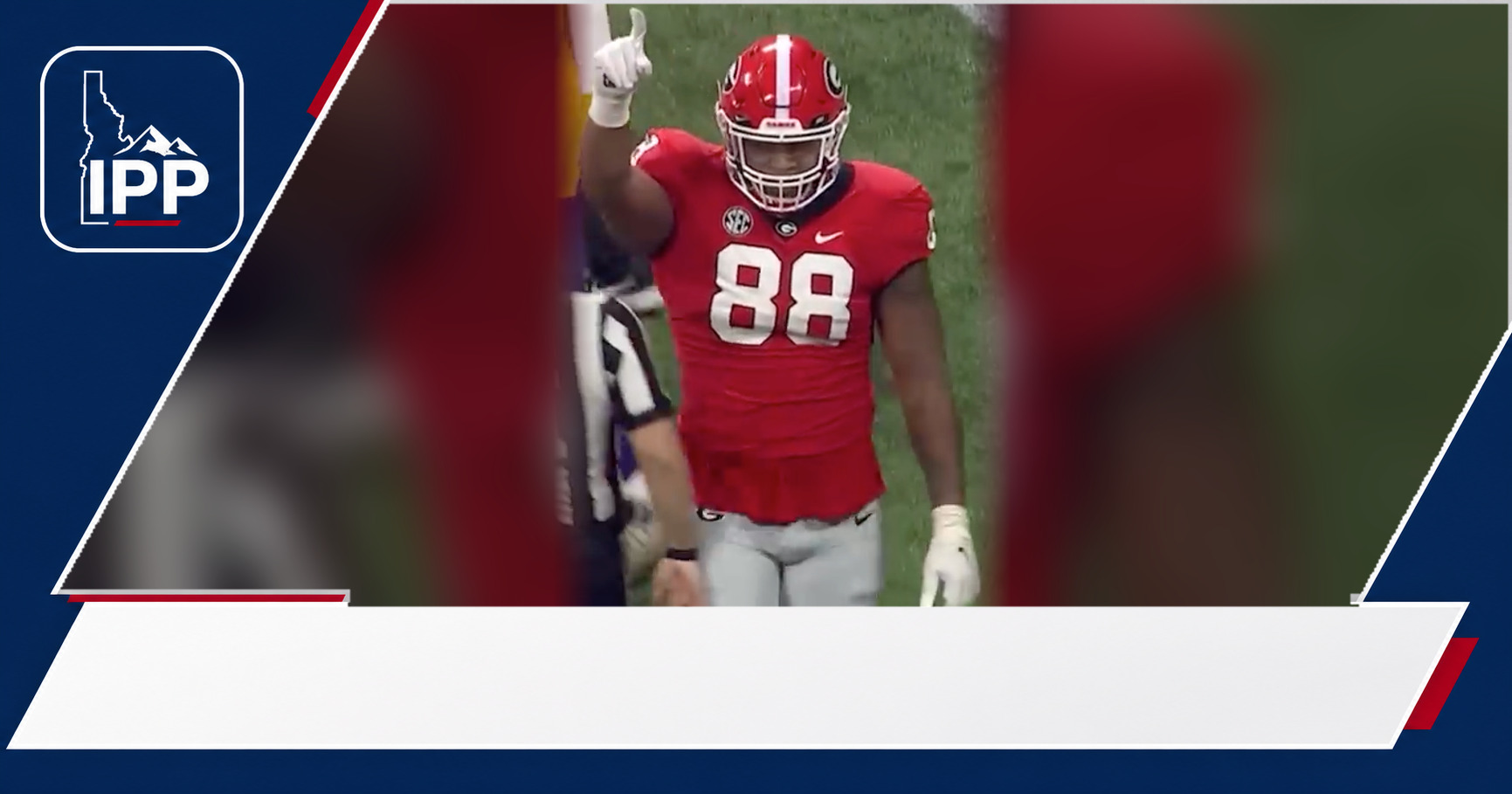
Philadelphia moved early to keep one of the NFL’s most disruptive young defenders. The record-setting deal shows how the Eagles are building their future from the defensive interior out.
The Philadelphia Eagles agreed to a historic contract extension with Jalen Carter on Tuesday: a four-year, $152 million deal with $106 million guaranteed that keeps the defensive tackle in Philadelphia through the 2031 season. Jalen Carter becomes the highest-paid defensive tackle in NFL history, according to reports and agent Drew Rosenhaus confirmation cited by The Athletic.
For Philadelphia, this is more than a star being locked up. The Eagles are paying Carter like the center of their future before a contract standoff could develop, making a record-setting commitment to a player they believe can anchor the defense for the rest of the decade.
A record price for disruption
Carter’s extension averages $38 million per year, based on the reported $152 million base value. Eagles Wire reported the deal can be worth up to $160 million, with $106 million guaranteed.
That annual figure puts Carter at the top of the defensive tackle market. It is a statement about where the Eagles believe premium defensive value lives: inside, where a dominant tackle can collapse protections, change run-game math and make edge rushers more dangerous.
The timing matters, too. Philadelphia had already exercised Carter’s fifth-year option, which kept him under contract through 2027. Instead of waiting until the final stages of that control, the Eagles moved early and removed one of the franchise’s biggest future contract questions.
Why Philadelphia moved early
The Eagles have long preferred to identify core players, pay them before the open market fully applies pressure and avoid letting internal stars become weekly negotiation storylines. General manager Howie Roseman has used that approach across multiple roster cycles, and Carter now becomes one of its clearest examples.
Waiting might have saved the Eagles short-term flexibility. It also could have made the eventual price higher if Carter continued on an All-Pro trajectory or if another elite interior defender reset the market first.
By acting now, Philadelphia trades uncertainty for cost certainty. That does not make the number small. It does mean the Eagles can plan future cap decisions around a player they clearly view as non-negotiable.
There is also a football reason to move before training camp noise grows. A record contract can become a distraction when it lingers. A finished deal lets Carter’s role, expectations and long-term place in the organization become clear before the season’s heaviest scrutiny arrives.
Carter is now the blueprint
Carter arrived in Philadelphia as the No. 9 pick in the 2023 NFL Draft and quickly became one of the most important players on the Eagles’ defensive front. His value comes from a rare interior profile: power, first-step burst and the ability to affect plays even when he does not finish them himself.
Interior defensive tackles are often harder for casual viewers to track than quarterbacks, receivers or edge rushers. Carter’s value is not only in obvious splash plays. It is in pushing the pocket into a quarterback’s lap, forcing a running back to redirect and making opposing offenses account for him before the snap.
That is why this deal carries league-wide meaning. The Eagles are not just paying for past production. They are paying for a defensive structure built around a player who can change protections from the middle of the line.
That kind of bet comes with a high bar. Once a player becomes the highest-paid at his position, being good is no longer enough. Carter will be judged against the best defensive tackles in football and against the size of the guarantee Philadelphia just put behind him.
The Georgia core stays together
Carter’s extension follows another major move on the Eagles’ interior defensive line. Philadelphia also signed defensive tackle Jordan Davis to a three-year, $78 million extension earlier in the offseason, reportedly with $65 million guaranteed, according to Eagles Wire.
That connects two former Georgia teammates as long-term pieces in Philadelphia’s front. It also clarifies the Eagles’ roster-building identity: they are committing serious money to the inside of the defensive line, not treating it as a place to patch cheaply year to year.
There are different ways to read that strategy. Supporters will see a team investing in young, premium trench talent before its best years. Skeptics will see a large amount of money tied up in one position group, which can tighten options elsewhere on the roster.
The Eagles appear comfortable with that tradeoff. Their view is easy to infer: if Carter and Davis become the interior foundation they were drafted to be, the rest of the defense becomes easier to build.
The risk behind the record
No record-setting contract is risk-free. Carter is being paid not just as a Pro Bowl-level player, but as a long-term franchise pillar. The guarantee makes the commitment significant even by modern NFL standards.
The Eagles are betting on health, development and consistency. They are also betting that Carter’s impact will hold up as offensive coordinators dedicate more attention to him. The more he dominates, the more double teams, chips and protection calls will tilt his way.
That is the challenge of becoming the market leader. Opponents prepare for you differently. Fans measure every quiet game against the contract. Front offices around the league use the deal as a reference point in their own negotiations.
Still, the alternative carried its own risk. Letting Carter’s contract situation drift could have created leverage problems later, especially if his market continued rising. Philadelphia chose the expensive certainty over the possibility of a messier negotiation down the road.
What this changes next
The immediate effect is simple: Carter is now tied to Philadelphia through 2031, giving the Eagles a defensive centerpiece across multiple future seasons. The bigger effect is how this deal shapes expectations around the entire defense.
If Carter is the highest-paid defensive tackle in NFL history, the Eagles need him to be more than disruptive in flashes. They need him to be the player opposing offenses build game plans around and the one who sets the tone for a front built to win from the inside out.
The deal also becomes part of a larger question for Philadelphia’s roster planners. How many premium contracts can the Eagles carry while keeping enough depth around their stars? That answer will unfold through future extensions, draft choices and cap decisions.
For now, the message is unmistakable. The Eagles had control of Jalen Carter for a while longer, but they did not wait. They paid the historic price because they believe the best version of their future defense starts with him.








Leave a Reply