
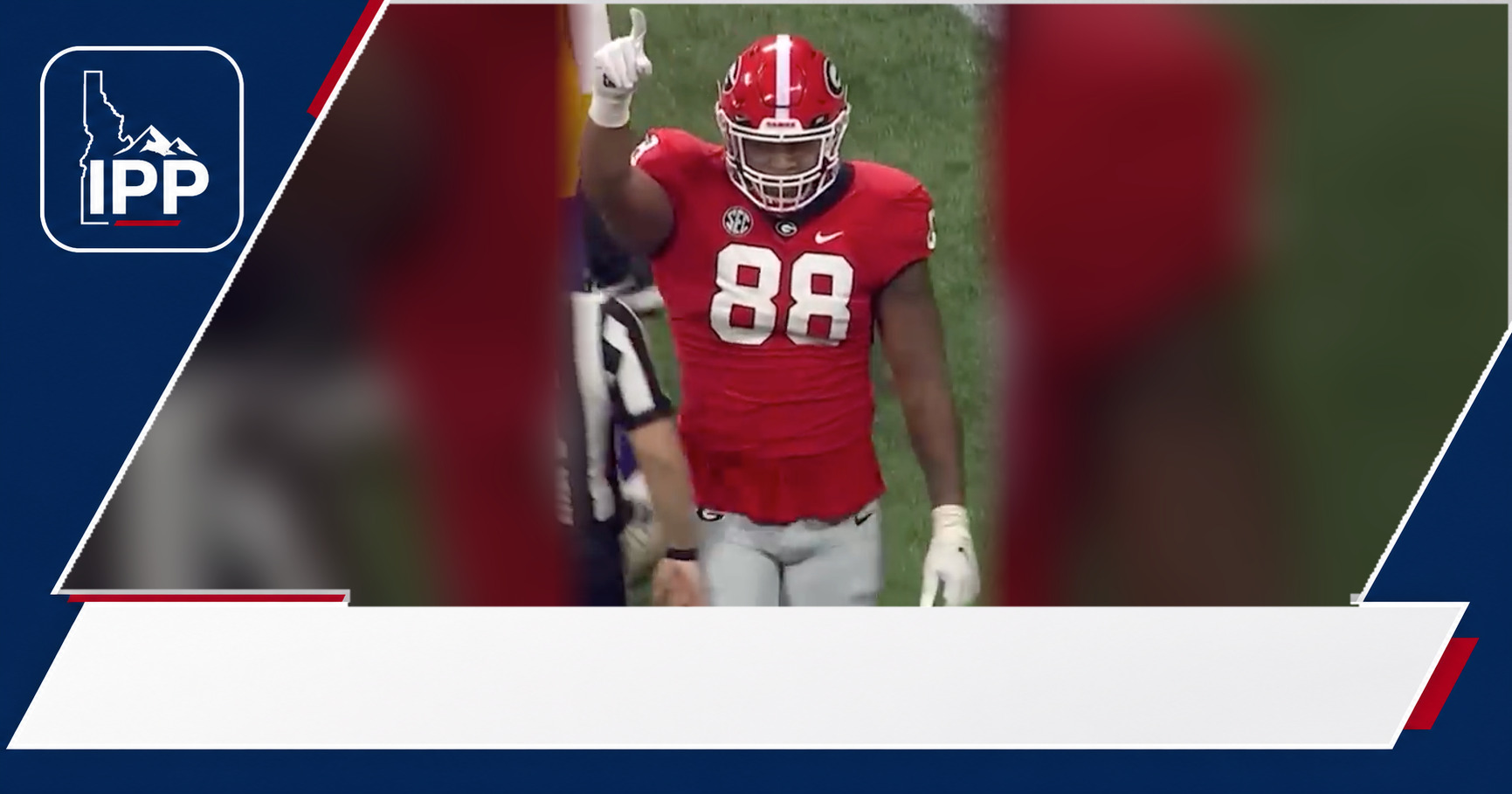
Philadelphia has treated Carter like the foundation of its defensive front. The move quiets one major storyline while putting a spotlight on what the Eagles need from him next.
Jalen Carter signed a contract extension with the Philadelphia Eagles on Tuesday, a 4-year, $152 million deal that runs through 2031 and can reach $160 million, with $106 million guaranteed, according to agent Drew Rosenhaus as reported by The Athletic. The Jalen Carter extension removes a potential distraction for the Eagles in Philadelphia because the 25-year-old defensive tackle’s future no longer hovers over a roster built to contend now.
This article explains why the extension matters for the Eagles’ stability: it locks in their most disruptive defender, clarifies the franchise’s priorities and moves the loudest contract storyline off the practice field before it could harden into a season-long subplot.
Philadelphia paid before drama grew
The Eagles did not wait for Carter’s contract situation to become uncomfortable. That is the point.
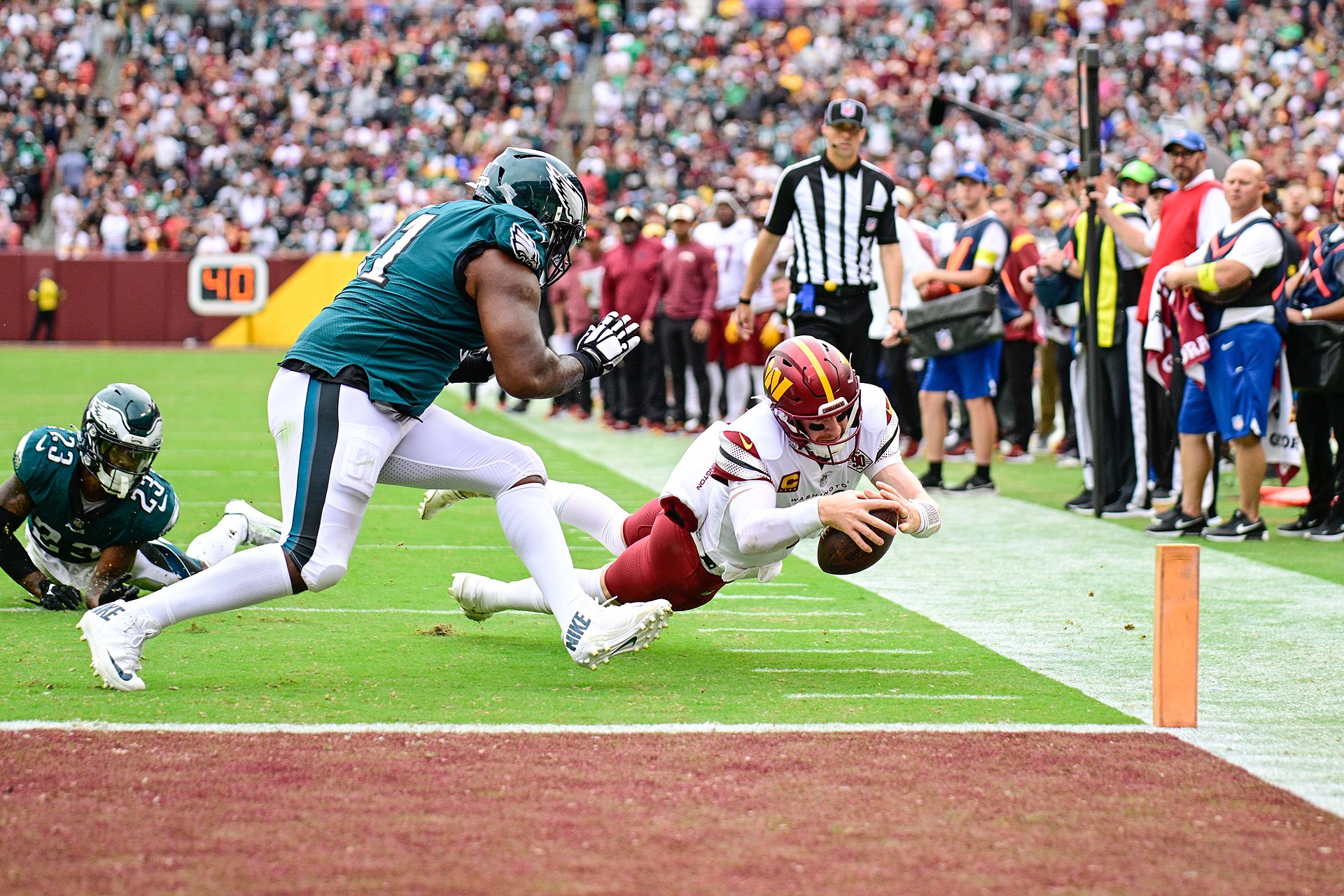
Philadelphia had already exercised Carter’s fifth-year option in April, keeping him under contract through 2027. On paper, there was no immediate deadline. In the real world of NFL locker rooms, market-setting players rarely stay quiet for long once they know their value and see the numbers climbing around them.
By moving now, the Eagles took a familiar front-office route: identify the core player, pay before the leverage spikes further, and remove a question that can linger over training camp, weekly media sessions and negotiations with other players.
The size of the deal says the Eagles were not merely avoiding noise. They were making a declaration about what Carter is in their building. According to Rosenhaus, the $106 million in guarantees makes Carter the highest-paid defensive tackle in NFL history. That is not a placeholder contract. That is franchise language.
The bet is bigger than sacks
Carter’s résumé is not built only on traditional totals. The Athletic noted he has 13.5 sacks across three seasons, a number that does not fully explain how opposing offenses treat him.
Interior defensive tackles can distort a game without finishing the play themselves. They draw double teams. They collapse pockets before quarterbacks can step up. They change protections, shorten reads and create one-on-one looks for teammates on the edge.
That is why the Eagles’ view of Carter appears to be tied less to box-score glamour and more to pressure, gravity and timing. The Athletic reported that Carter led Philadelphia in pressures, quarterback hits and tackles for loss in 2024. For an interior lineman, that combination matters more than a clean sack column.
His postseason flash points have also fed the belief that his best plays show up when the game tightens. After Carter’s impact late in the Eagles’ NFC divisional round win over the Los Angeles Rams in January 2025, linebacker Zack Baun called him a monster and described him as the best in the league, according to The Athletic. That kind of internal praise helps explain why the Eagles were willing to move into record-setting territory.
Stability, with real caveats
The extension removes one distraction, but it does not remove every question around Carter. That distinction matters.
He was limited to 11 games last season because of shoulder injuries and a Week 1 ejection, according to The Athletic. Availability is part of value, especially when the guaranteed money reaches this level. A dominant defensive tackle changes a defense; a dominant defensive tackle missing key stretches forces everyone else to absorb the plan.
There have also been concerns unrelated to football performance. Carter fell in the 2023 NFL Draft after he pleaded no contest to misdemeanor racing and reckless driving charges following a fatal car crash in January 2023 while he was at Georgia. The Athletic also noted his 2025 season-opening ejection after an incident with Dallas Cowboys quarterback Dak Prescott before the opening snap.
That is the tension inside the deal. Supporters will see a franchise backing an elite young defender whose talent is rare and whose ceiling may still be rising. Skeptics will see a huge guarantee attached to a player whose career has already included injuries, discipline issues and intense scrutiny. The Eagles are betting their internal read is better than the outside noise.
Roseman keeps paying early
General manager Howie Roseman has long preferred to solve core-player business before it becomes a public pressure campaign. The Eagles have used that approach with major pieces across the roster, including Jalen Hurts, DeVonta Smith, Landon Dickerson and Cam Jurgens in recent offseasons.
Carter’s timing fits that philosophy. He was entering the fourth year of his rookie deal, and Philadelphia technically had control for multiple seasons. But elite defensive tackles do not usually get cheaper with time, and the Eagles understand the value of certainty at premium positions.
This is also a message to the rest of the roster. Philadelphia is telling players that if they become essential to the team’s identity, the club will act. That can help a front office maintain credibility in a locker room where players track who gets rewarded and when.
There is a cap-management side, too. Long extensions can create flexibility in the short term while pushing major costs into future years. That is not risk-free, but it is often how contenders keep windows open. The Eagles are choosing predictability over a year or two of unresolved negotiation.
The defensive line now has a timeline
Carter’s deal also connects to a broader roster plan. The Eagles have placed major resources into the middle of their defensive front, including a three-year, $78 million extension for Jordan Davis earlier in the offseason, according to The Athletic.
Carter and Davis were teammates at Georgia, and now they are positioned as long-term pillars in Philadelphia. That gives the Eagles a rare interior pairing: one player who can wreck pockets with quickness and disruption, another who can occupy space and change run-game math.
For a franchise with a deep tradition of defensive line play, this is not accidental branding. Philadelphia has often built from the trenches outward. Quarterbacks and receivers drive modern football conversation, but the Eagles’ roster construction still shows a belief that games can be tilted by controlling the line of scrimmage.
The practical impact is straightforward. If Carter is healthy and locked in, the Eagles can structure their pass rush around him. Edge rushers benefit. Linebackers get cleaner lanes. Defensive backs may not have to cover as long. A great interior disruptor can make an entire defense feel faster.
What the extension does not answer
The deal answers the contract question. It does not answer how Carter will handle the expectations that come with being paid like the best defensive tackle in the sport.
That is where the next phase begins. Philadelphia no longer needs to wonder whether Carter is part of the long-term plan. Now the team needs him to make the extension feel obvious, not merely defensible.
The Eagles also have to manage the human side of a massive investment. Talent justified the contract. Trust will determine how it ages. Coaches and teammates have praised Carter’s passion and football intelligence, according to The Athletic, but a record-level deal raises the standard for consistency in preparation, availability and composure.
For now, the immediate benefit is clear. A potential season-long distraction has been removed before it fully formed. Carter gets security. The Eagles get stability. Philadelphia’s defense gets to move forward knowing its most disruptive interior force is not waiting on the next negotiation — he is at the center of the plan through 2031.








Leave a Reply