
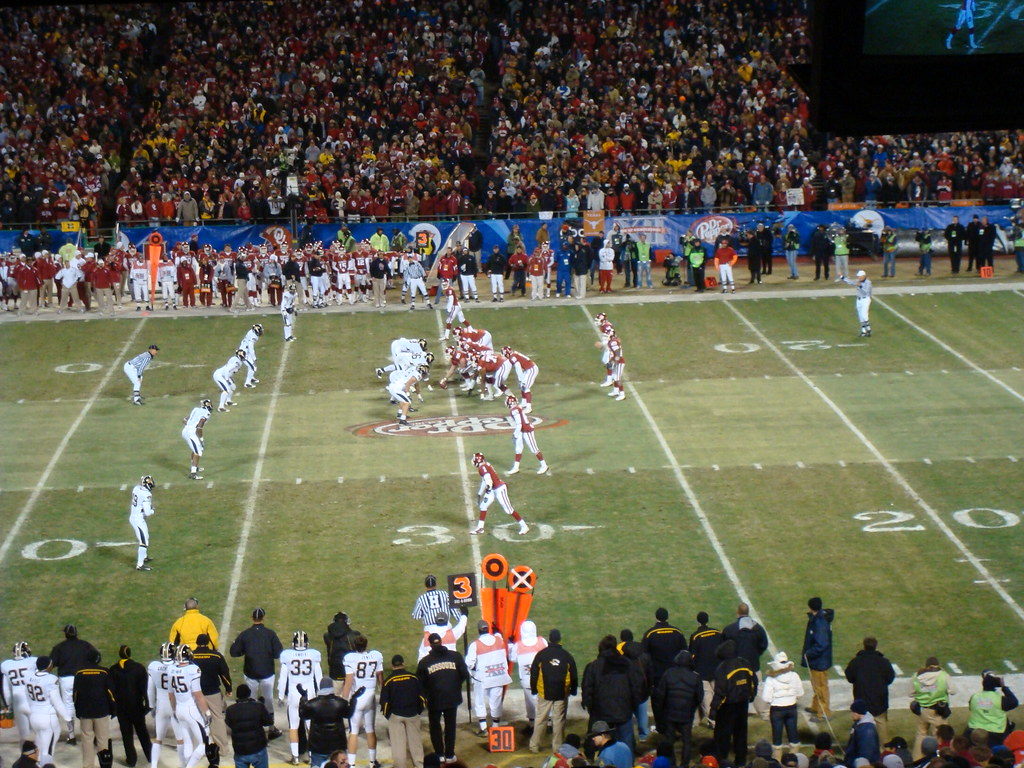
Oklahoma’s clean crimson look is part of its identity. The economics of modern college sports are pushing even tradition-heavy programs toward uniform advertising.
The Oklahoma Sooners are likely to adopt a sponsored jersey patch. This article discusses whether the patch is worth sacrificing traditional aesthetics, because the revenue benefits of jersey patch sponsorship in college athletics are the reason for the change.
For fans who see Oklahoma’s crimson football jersey as close to sacred, the inevitable sponsored jersey debate lands hard: a patch may still be worth it for the Sooners no matter how anti-traditional it looks. The hard question is not whether an ad improves the uniform. It is what Oklahoma can buy with the money.
The patch era is here
The college uniform has always carried meaning. For Oklahoma, the look is intentionally spare: crimson, cream, block letters, helmet logo, no clutter. That simplicity is part of the brand.
But college athletics has moved into a period where every reliable revenue source is being examined. According to Associated Press reporting published by ESPN, NCAA Division I leaders approved uniform patches on Jan. 23, 2026, a move framed as a way to open new revenue streams that could generate millions for athletic departments.
That approval changes the debate from theoretical to practical. If the rules allow sponsor patches and the market values them, major programs have to decide whether refusing the money is a principled stand or a competitive disadvantage.
Why Oklahoma feels inevitable
No public material reviewed here shows that Oklahoma has announced a specific jersey patch sponsor, price, placement or launch date. The word “likely” matters.
Still, the Sooners are exactly the kind of program that would draw sponsor interest. They have national visibility, a massive fan base, televised football inventory and a recognizable uniform. A sponsor patch on that jersey would not be a hidden billboard. It would be a premium placement.
That is why the move feels less like a question of taste and more like a question of timing. Once a patch can bring meaningful money into an athletic department, the pressure shifts to administrators: if peers sell the space, how long can Oklahoma leave it blank?
Fans may hate that logic. Athletic directors are paid to live inside it.
Tradition has real value
The anti-patch argument is not just nostalgia. Uniforms are emotional property. Supporters do not experience them as fabric; they experience them as memory.
Oklahoma’s look carries generations of games, championships, rivalries and Saturdays. Adding a corporate mark can feel like renting out a piece of that inheritance. Even a small patch can look loud when placed on a uniform famous for restraint.
There is also a slippery-slope concern. If one modest patch is accepted, fans may wonder what comes next: bigger logos, multiple sponsors, bowl-specific ads, alternate uniforms designed more for commerce than identity.
That concern deserves respect. The clean look is part of what Oklahoma is selling in the first place.
The money changes the answer
The strongest pro-patch argument is simple: the sponsor does not have to make the jersey prettier. It only has to make the athletic department stronger.
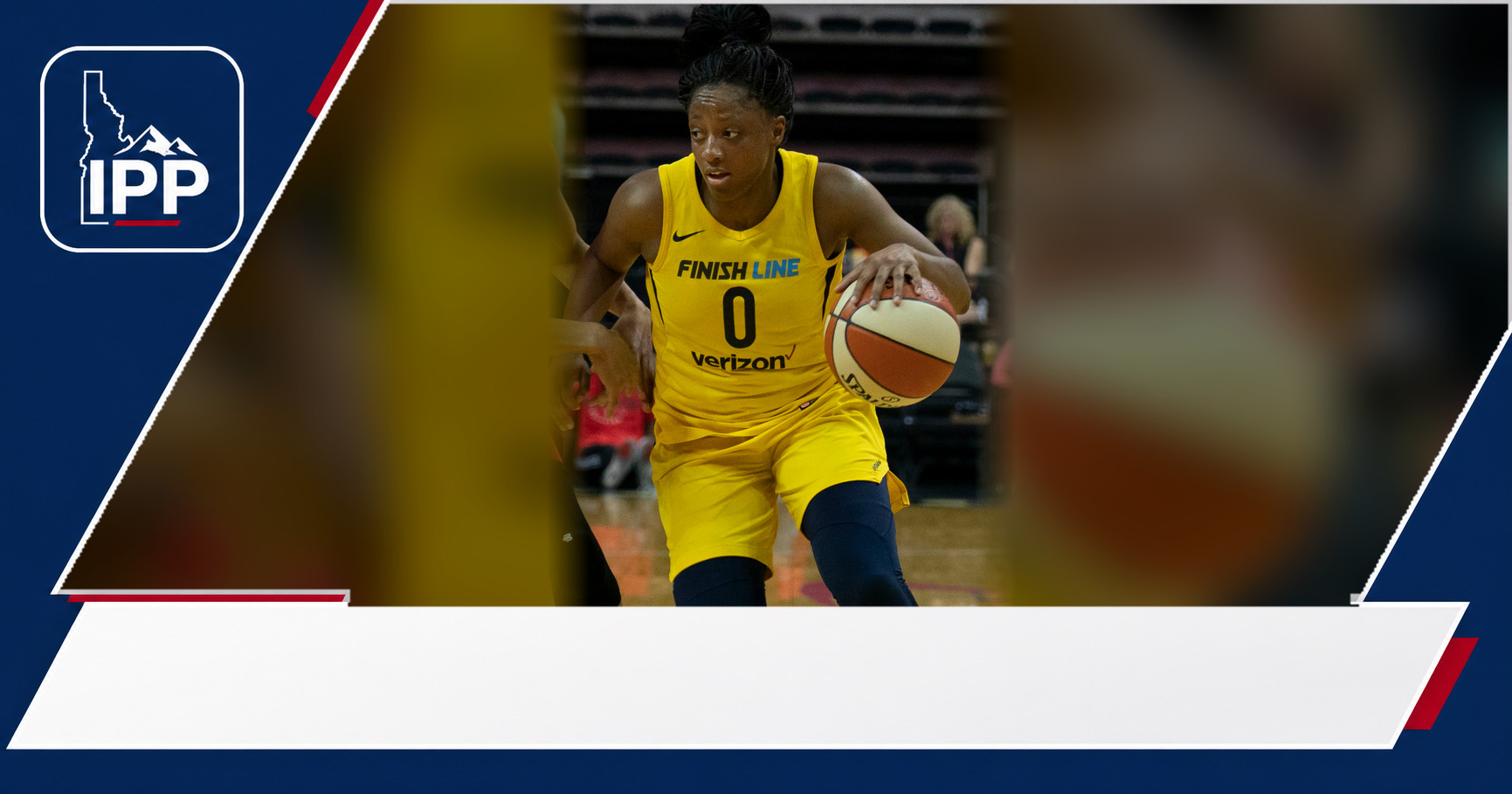
The Los Angeles Times reported in 2015 that NBA Commissioner Adam Silver called sponsor logos on jerseys “inevitable,” pointing to international sports and the WNBA as examples. Silver’s point was not that purists were wrong to dislike ads. His point was that teams and leagues were looking for new revenue, and companies wanted to get closer to the game and its athletes.
That framing fits college sports even more sharply now. A uniform patch is valuable because it sits inside the broadcast, the highlight clip, the recruiting photo, the social post and the fan conversation. It follows the team everywhere the team goes.
The same Los Angeles Times report cited an IEG Research study that put NBA sponsorship revenue at more than $679 million for the 2013-14 season before jersey advertising became a fuller part of the league’s business. The exact economics of college patches will differ, but the principle is familiar: visible inventory creates sponsorship value.
How to avoid a backlash
If Oklahoma eventually adds a patch, execution will matter. A bad design could turn a revenue win into a weekly irritation. A restrained design could become background noise after the first few games.
The school would have several choices that affect fan reaction:
- Size: A smaller mark respects the uniform more than a dominant one.
- Color: A patch using Oklahoma’s palette would feel less intrusive than a clashing corporate logo.
- Placement: A consistent, modest location would avoid making the jersey look crowded.
- Partner fit: A sponsor with regional or institutional credibility would probably be easier for fans to accept.
- Transparency: Explaining how the revenue supports athletics could soften the initial reaction.
The last point may be the most important. If fans believe the patch helps fund competitive needs, they may tolerate it. If it feels like a random ad slapped onto a cherished jersey, resentment will linger.
What remains unknown
The key unknown is not whether uniform sponsorships can make money. The NCAA approval and wider sports marketplace suggest they can. The unknown is how much a specific Oklahoma patch would be worth and what conditions would come with it.
Would the money be sport-specific or department-wide? Would it support facilities, travel, staffing, athlete benefits or other operating costs? Would football get a different deal than basketball or softball? Those details matter because they shape whether the patch feels like a necessary compromise or a cosmetic sellout.
There is also the question of fan fatigue. College sports has already absorbed conference realignment, expanded media deals, transfer-portal churn and name, image and likeness changes. A jersey ad may be small by comparison, but it is highly visible. It puts the business model directly on the uniform.
That visibility is why the debate feels bigger than a few square inches of fabric.
The clean-jersey era is fading
For Oklahoma, a sponsored jersey patch would be an aesthetic loss. There is no need to pretend otherwise. The Sooners’ traditional look is better without a corporate mark.
But modern college athletics is not being built around the cleanest possible jersey. It is being built around revenue, exposure and competitive spending. Once the NCAA opened the door, the most valuable programs were always going to look at the space on their uniforms differently.
The best version of this future is not a jersey covered in ads. It is a limited, carefully designed patch that brings in meaningful money while preserving most of what fans recognize.
That may not satisfy purists. It may still be the tradeoff Oklahoma and other major programs decide they cannot afford to reject.








Leave a Reply