
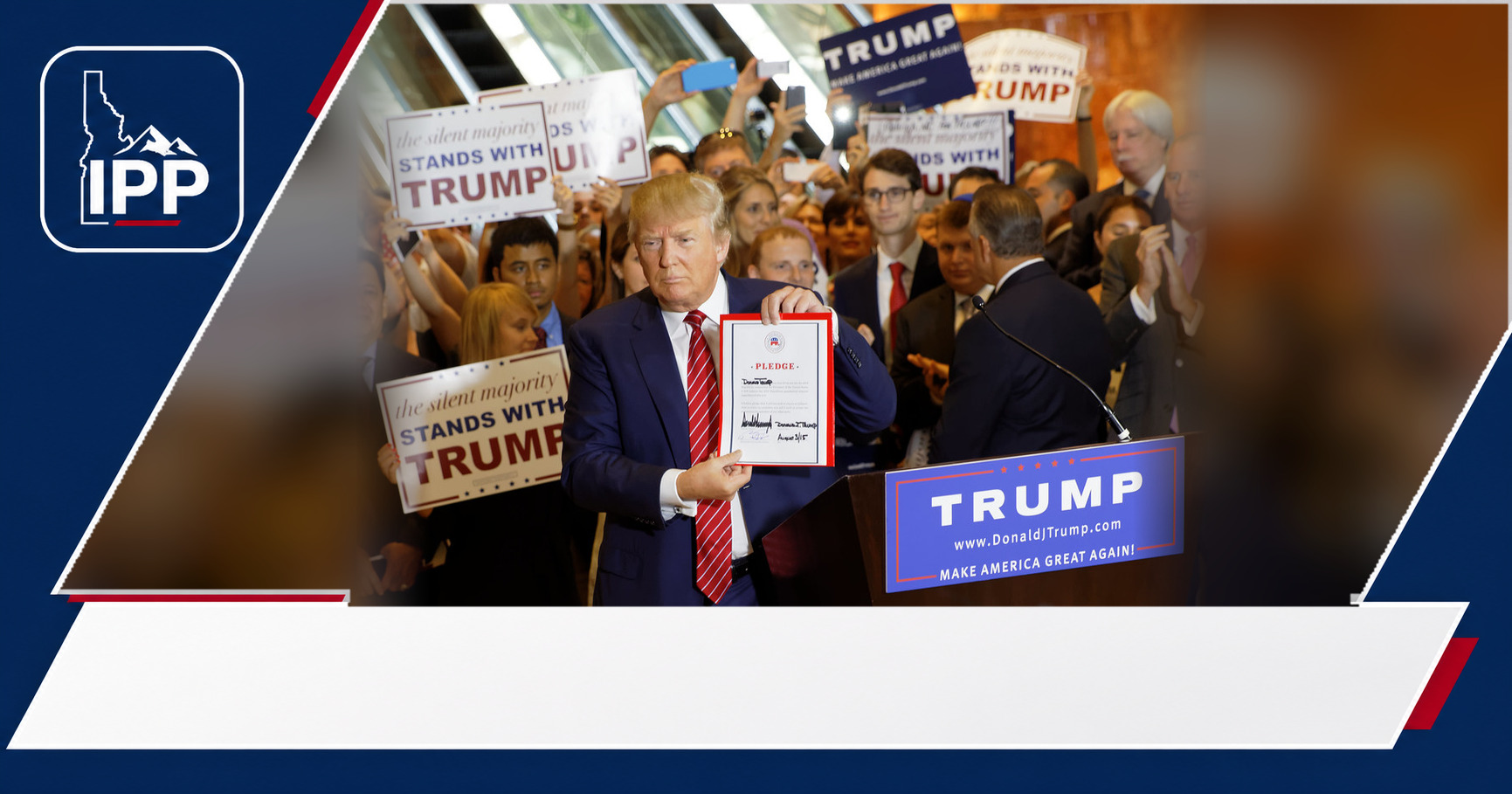
Tariffs can bring money into the Treasury, but they can also raise costs for importers, businesses and consumers. That tension is why Trump’s trade message is becoming an election-year economic argument.
Donald Trump defends tariffs, saying tariffs have made the United States a fortune ahead of the midterm elections, as he turns one of his most disputed economic tools into a campaign-year selling point. The argument matters now because tariffs touch prices, manufacturing, federal revenue and voter confidence at the same time.
Trump’s pitch is direct: charge imported goods, collect money for the United States and use the pressure to win better terms from trading partners. The debate is harder: tariffs can raise government revenue, but the costs often begin with U.S. importers and can move through supply chains to shoppers.
Trump’s tariff message is political
Trump has long described tariffs as a way to make the country wealthier and tougher in trade negotiations. In a March 4, 2025, address to a joint session of Congress, according to an Associated Press transcript, he framed tariffs as part of making America financially stronger, saying they were about making the country rich again.
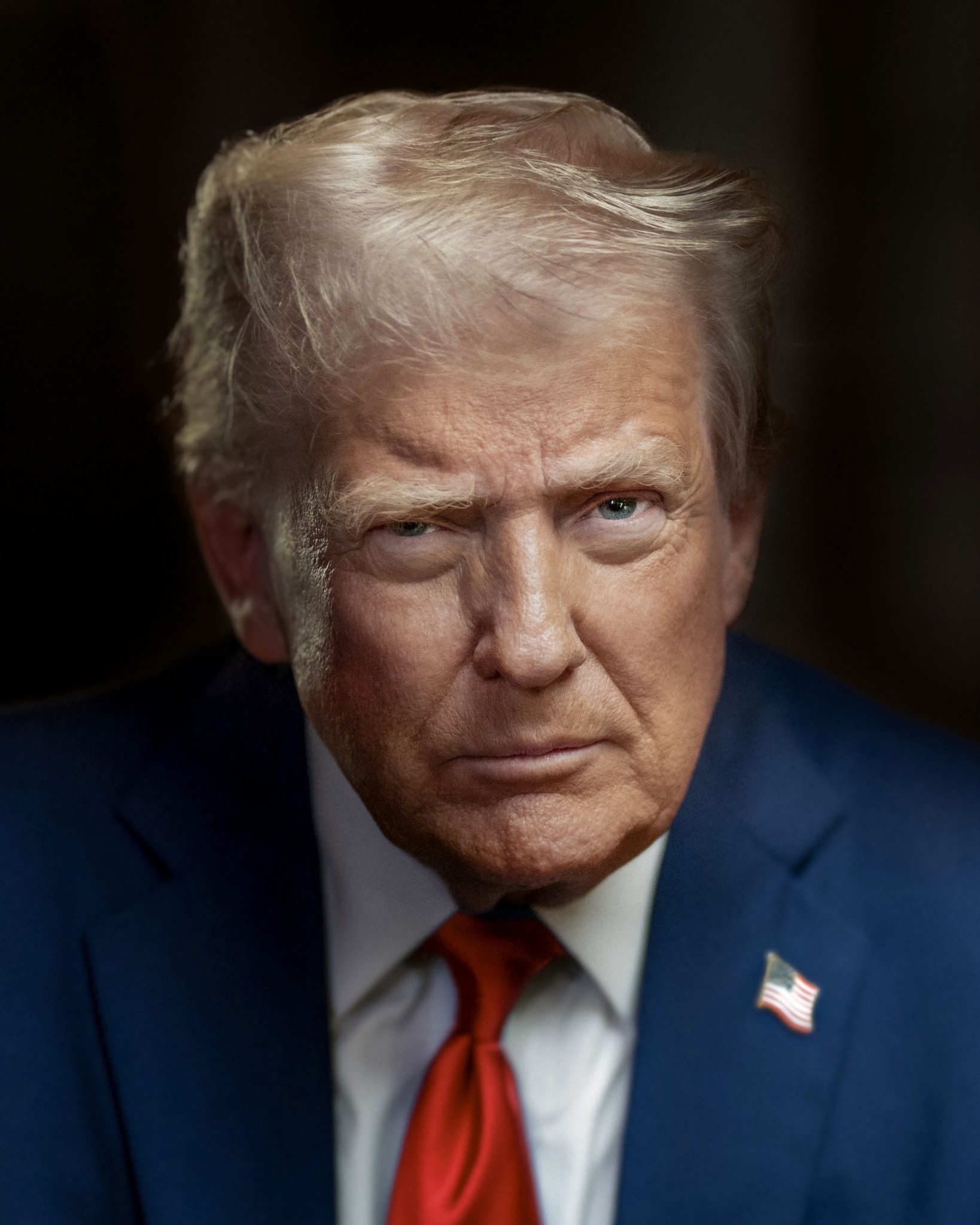
That language is built for an election year. It turns a complex policy into a simple claim: the United States is collecting money that it should have been collecting all along.
For voters frustrated by high prices, factory closures or trade deficits, the message can sound like payback. For businesses that rely on imported parts or goods, it can sound like another cost.
How tariff money actually arrives
A tariff is a tax on an imported product. In practice, it is generally paid by the importer of record when goods enter the United States, with U.S. Customs and Border Protection collecting duties that ultimately flow to the federal government.
That is the narrow sense in which tariffs can make money for the Treasury. If import volumes remain high and duty rates rise, customs revenue can rise too.
But that does not mean a foreign government writes a check to Washington. The first payer is usually a company bringing goods into the country. That company may absorb the cost, negotiate with suppliers, cut margins or pass some of the increase along to wholesalers, retailers and consumers.
That distinction is the center of the tariff fight. Trump emphasizes the revenue and leverage. Critics emphasize the path those costs can take before they show up in household budgets.
Why midterms sharpen the stakes
Tariffs are especially potent ahead of the midterm elections because they let candidates talk about the economy in concrete terms: jobs, factories, prices and fairness. They also let Trump argue that his trade agenda is not just ideological, but financially beneficial to the country.
Republicans who support the approach can present tariffs as a tool to protect domestic industries and punish countries they accuse of exploiting U.S. markets. The message fits neatly with economic nationalism: bring production back, make imports less attractive and use access to the American consumer market as leverage.
Democrats and free-trade Republicans have a different opening. They can argue that tariffs operate like a hidden tax, raising costs for families and small businesses while creating uncertainty for employers that depend on global supply chains.
The political risk for both sides is that tariffs do not land evenly. A steel producer may benefit from protection. A manufacturer that buys steel may face higher input costs. A shopper may never see the tariff line item, but may see the price tag.
The consumer-price question
The strongest criticism of tariffs is not that they raise no revenue. They can. The criticism is that the revenue may come with broader costs that are less visible than a Treasury receipt.
When importers pay more to bring in goods, those costs can ripple outward. Retailers may raise prices. Manufacturers may delay investments. Companies may shift sourcing, but that can take time and may not be cheaper.
Supporters counter that the short-term pain can be worth it if tariffs rebuild domestic production or force foreign competitors to change behavior. They also argue that the United States has underused its market power for decades.
The unresolved question is scale. A tariff that protects a narrow industry can have one set of effects. A broad tariff program affecting large categories of consumer goods can create a much wider price and business shock.
Businesses face uneven consequences
The tariff debate often sounds national, but the effects are frequently local and industry-specific. A factory making goods that compete with imports may welcome higher duties. A farm exporter may worry about retaliation from foreign governments. A small retailer may have little room to absorb higher import costs.
During Trump’s first term, trade fights with China showed how quickly tariffs can become a two-way pressure campaign. U.S. tariffs were met with retaliatory measures, and some sectors pushed for relief when export markets were hit.
That history explains why business groups often split on the issue. Some want tougher enforcement against unfair trade practices. Others want predictable rules, targeted actions and exemptions for goods they cannot easily source domestically.
For campaign purposes, the slogan is simpler than the balance sheet. For companies making pricing and hiring decisions, the details matter more than the applause line.
What to watch from here
Trump’s claim that tariffs have made the United States a fortune puts the burden on numbers. The key measures are not just customs revenue, but also consumer prices, business input costs, import volumes, retaliation and whether protected industries actually expand jobs and investment.
Voters should also watch whether tariff proposals are broad or targeted. A tariff aimed at a specific product or country carries different risks than a sweeping tariff on many imports.
Another question is what happens to the money. Tariff revenue enters the federal government, but campaigns may frame it as found money. Economists will ask whether the gains offset costs elsewhere in the economy.
The midterm fight is likely to keep the issue alive because it gives both sides a clear story to tell. Trump can say tariffs bring wealth and leverage back to the United States. Opponents can say the bill is paid by American consumers and businesses. The truth voters experience may depend less on the slogan than on what they buy, where they work and how trading partners respond.







Leave a Reply