
The dispute is about more than a funding model. It raises a harder question for global soccer: who should benefit from the World Cup’s commercial power, and who gets a say when private capital enters the room?
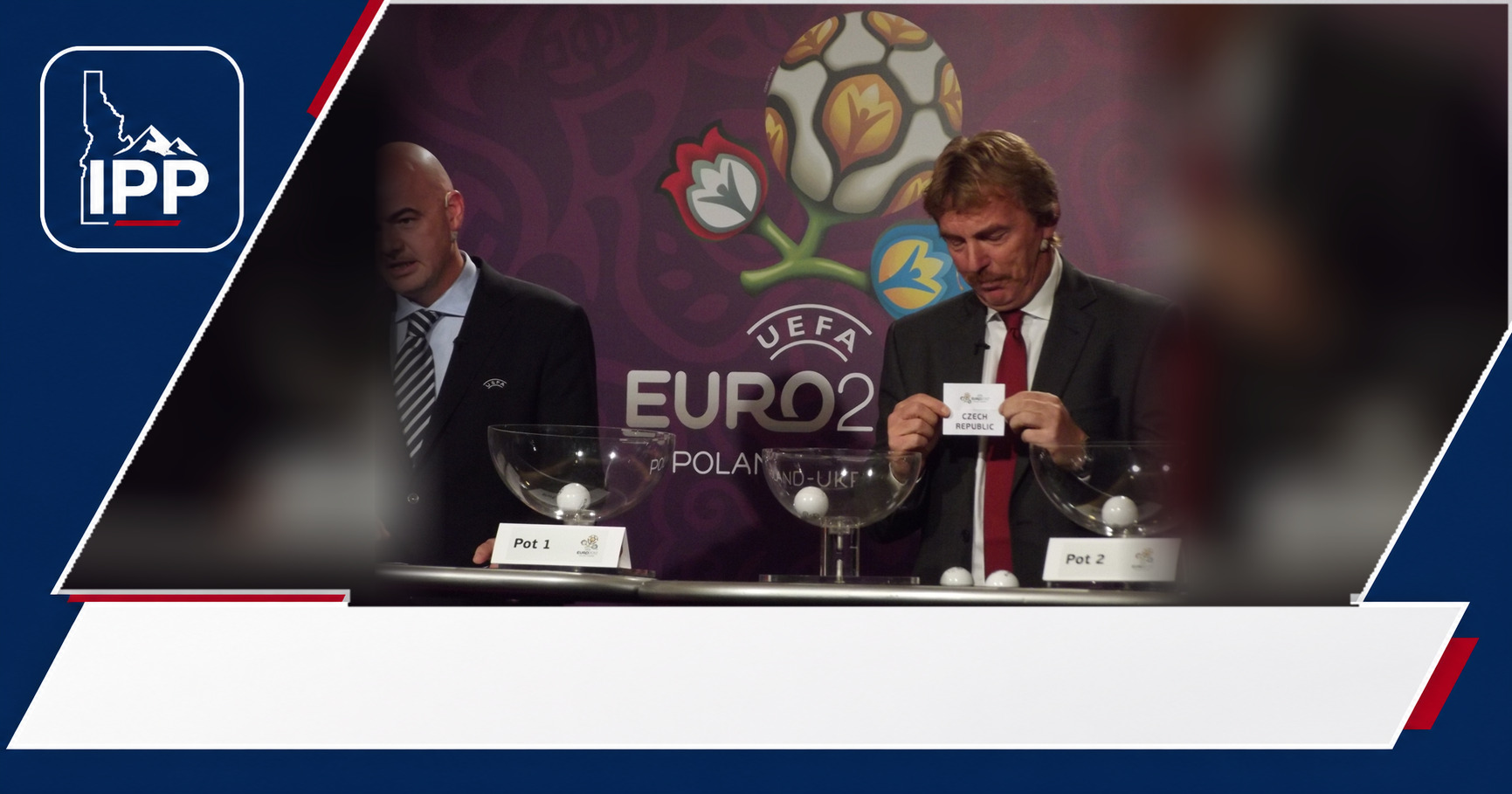
FIFA boss Gianni Infantino and FIFA have a $20 billion World Cup investor plan: FIFA said Tuesday it plans to create a new commercial subsidiary and sell a stake of up to 20% to external investors. UEFA is furious about FIFA’s plan, attacking a proposed shift in how World Cup commercial rights are managed and who could profit from them.
The fight is not just about valuation. It is about whether the World Cup’s commercial engine should be opened to private capital, and whether a minority stake can stay truly passive once investors are tied to football’s biggest revenue machine.
The proposal in plain terms
According to Reuters, FIFA said it plans to create a new commercial subsidiary valued at $20 billion and offer external investors a stake of up to 20%. At that valuation, a full 20% sale would imply a multibillion-dollar raise, with Reuters describing the effort as a plan to raise about $4.2 billion through stake sales.
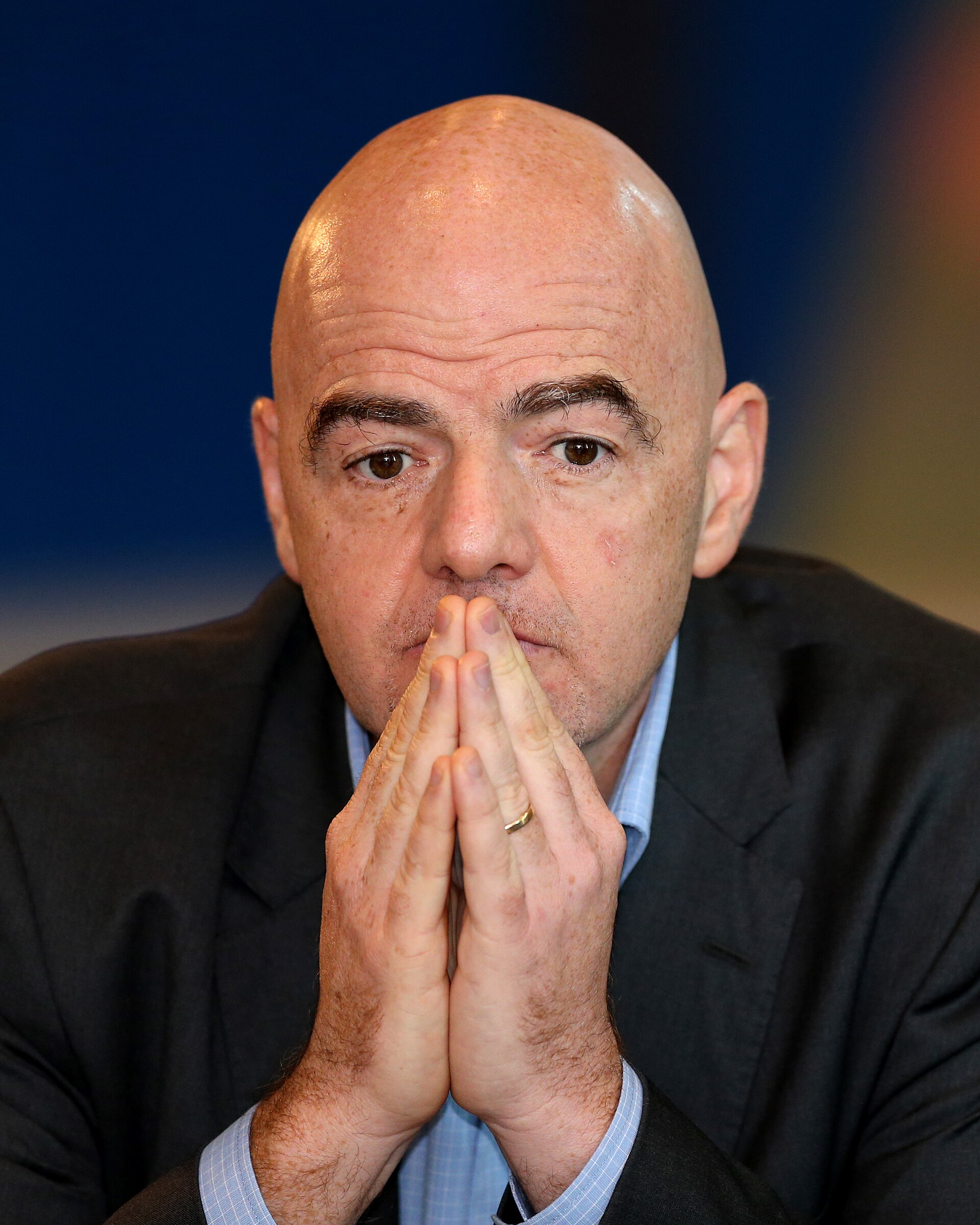
The Guardian reported that the new entity would be called FIFA Forward Enterprise, or FFE, and would handle the commercial side of FIFA tournaments, including the men’s and women’s World Cups and the Club World Cup. FIFA is working with JPMorgan on the structure, The Guardian reported, while Thrive Capital is leading the search for investors.
FIFA’s pitch is that the investors would buy minority, non-controlling interests. The governing body says it would retain authority over football governance and the international match calendar, meaning the investors would not formally decide when or where tournaments are played.
That distinction is central to FIFA’s defense. It is also exactly where critics are digging in: commercial rights may not be the same as sporting control, but in modern global football, the two are hard to separate.
Why UEFA reacted so sharply
UEFA’s response was immediate and unusually severe. The European governing body accused FIFA of attempting to “sell the soul of football”, according to The Guardian, and said the proposal crossed a line football institutions should not cross.
UEFA’s objections center on transparency, ownership and the long-term consequences of inviting private investors into a structure built around World Cup revenues. Its statement argued that the soul and governance of football are not assets to trade and warned against allowing unclear financial interests to benefit from the sport’s most valuable events.
For UEFA, this is not a narrow accounting dispute. Europe’s governing body already has tense relations with FIFA over the match calendar, the expansion of global competitions and the pressure those events place on clubs and players. A new investor-backed commercial vehicle would add another layer of conflict.
The sharpest version of UEFA’s fear is simple: even if investors have no formal voting control, they could gain leverage over the incentives that shape football’s future.
Infantino’s money argument
Infantino’s case is that FIFA can professionalize and grow the commercial business while spreading more money through the game. In comments reported by The Guardian, he said the plan would allow “the commercial side of the game” to operate as a focused business, with value shared more widely around the world.
That message is aimed at FIFA’s 211 member associations, many of which depend heavily on FIFA distributions. The Guardian reported that FIFA has said the new enterprise could help increase funding to associations from $8 million to $20 million, while also promising more than $10 billion in additional distribution benefits.
This is where FIFA may have political room to move. UEFA and major European clubs are powerful, but FIFA’s voting base is global. Smaller and mid-sized associations may see the plan less as a philosophical threat than as a route to bigger guaranteed funding.
That divide has shaped FIFA politics for years. Europe generates a huge share of elite football’s money and players, but FIFA elections and major governance votes are built around a broader membership map.
The rights question underneath
The phrase “commercial rights” sounds technical, but it covers the machinery that turns the World Cup into a global financial event: sponsorship, media-linked opportunities, licensing, hospitality and other revenue streams attached to FIFA tournaments.
FIFA’s argument is that these assets can be better managed inside a dedicated commercial company. Critics counter that once a stake is sold, the pressure to maximize returns does not stay politely in a spreadsheet.
That is why the investor identity, contract language and safeguards matter. A minority investor may not control FIFA’s calendar, but investors typically seek growth, predictability and influence. In the World Cup context, that could intensify debates over tournament frequency, host-market selection, sponsorship strategy and the balance between sporting integrity and revenue.
The timing also matters. The next men’s World Cup, hosted by the United States, Canada and Mexico, has already expanded to 48 teams. The Guardian has reported that FIFA expects tournament revenue to exceed earlier projections, reinforcing why Infantino may see this as the moment to put a market value on the commercial operation.
Europe has fought this before
This is not Infantino’s first attempt to bring major private money into FIFA competitions. In 2018, he pursued a proposal involving SoftBank-backed funding reportedly worth $25 billion for an expanded Club World Cup and a global Nations League concept.
That plan ran into resistance, especially from Europe, and did not gain the support needed to move ahead. The current proposal is different in structure, but the political fault line looks familiar: FIFA seeking new global revenue streams, UEFA and clubs warning that football’s competitive ecosystem is being stretched or monetized too aggressively.
European clubs have a practical concern as well as an ideological one. More FIFA commercial ambition can mean more tournament inventory, more player travel and more pressure on already crowded calendars. Even if the FFE plan does not itself change the calendar, it could create financial incentives to revisit those battles.
For FIFA, the counterargument is that European football cannot claim to represent the whole sport while also resisting funding models that may benefit associations with far fewer resources.
What remains undecided
The plan is not a done deal. The Guardian reported that it is subject to approval by a majority of FIFA member associations, and that FIFA did not say when a vote would take place. That leaves the immediate process unclear.
Several other questions remain open: who the investors would be, what rights they would receive, how long the investment would last, what transparency rules would apply and whether UEFA or other stakeholders might challenge the plan legally or politically.
The core trade-off is now visible. FIFA says a $20 billion commercial vehicle with outside investors could unlock more money for world football. UEFA says the World Cup and football’s governance should not be treated like assets to be carved up for investor return.
That is why this dispute could outlast the first wave of outrage. If FIFA can convince enough member associations that the money is worth the risk, UEFA’s fury may not stop the plan. If the unanswered governance questions grow louder, Infantino’s investor pitch could become another test of how much private capital football is willing to absorb.





Leave a Reply