
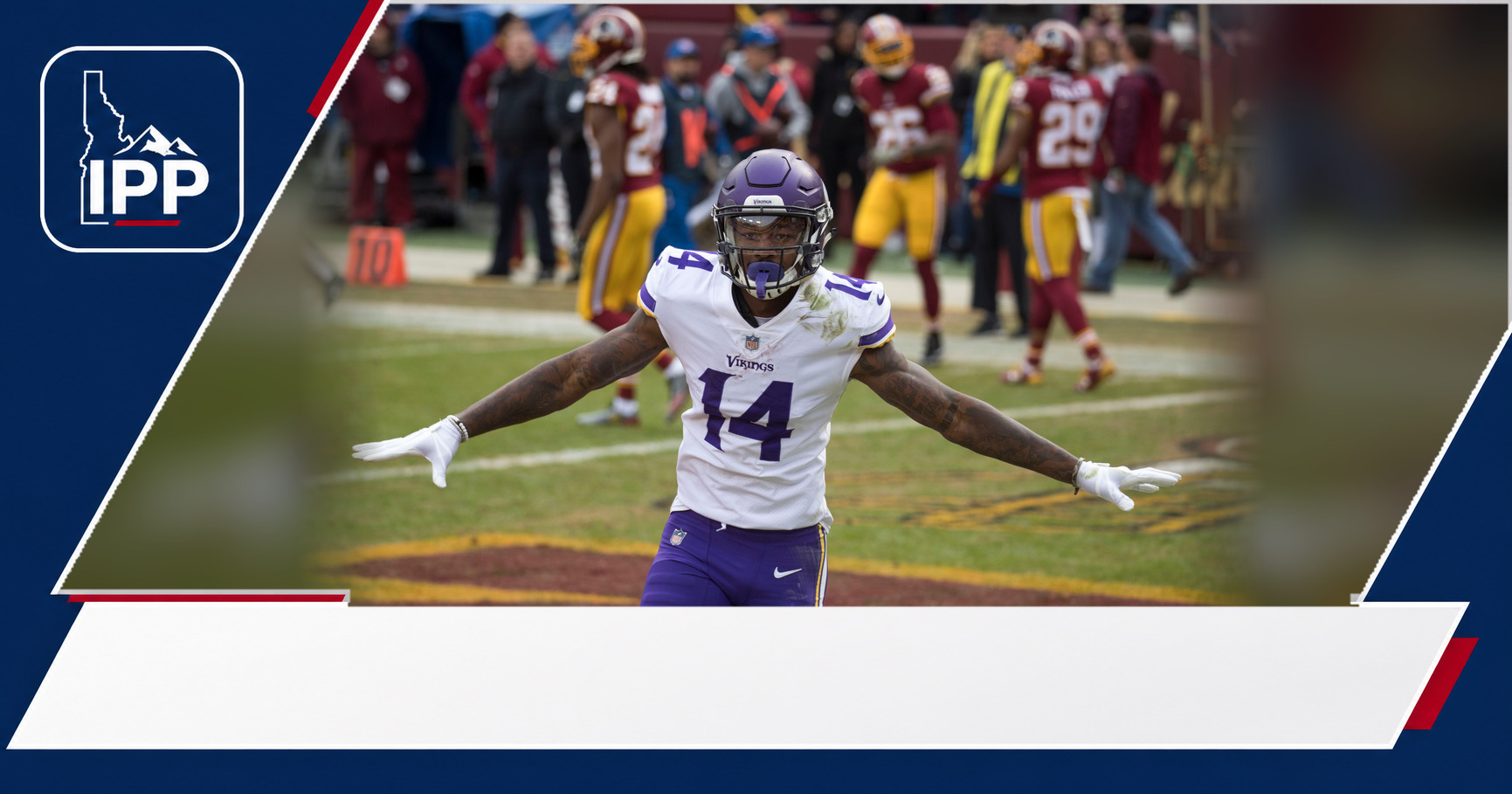
Diggs is no longer being discussed as a simple star addition. The real question is whether a team sees enough value in his route-running and experience to absorb the risk, price and role questions.
Stefon Diggs may sign with a new NFL team, and the clearest reported fit for the veteran receiver is the Atlanta Falcons. The status of Diggs’ NFL future is still unofficial: Stefon Diggs might land only if a club is comfortable with his health, price and role. For readers tracking which team Diggs is expected to join, The Athletic identified Atlanta as a best landing spot, while USA Today previously reported his Patriots deal in 2025.
That makes the current Diggs watch more complicated than a normal free-agent rumor. Diggs might finally find a landing spot, but the available reporting points to a fit rather than a completed signing.
The Falcons fit is logical
The Athletic placed Diggs with the Atlanta Falcons in its look at veteran wide receivers still available as NFL training camps began. That is not the same thing as reporting an agreement, but it does tell us how evaluators are framing his market: less as a franchise centerpiece, more as a precision receiver who can help the right offense on the right terms.
Atlanta makes sense because Diggs’ best current value is not raw speed or long-term upside. It is timing, separation in the short and intermediate areas, and the ability to uncover when a quarterback needs a trustworthy option.
For a team trying to sharpen its passing game, that can matter immediately. Veteran receivers often become more attractive once camp exposes depth problems, injuries or route-running inconsistency among younger players.
The Falcons would not be buying the 2020 version of Diggs who overwhelmed defenses in Buffalo. They would be weighing whether the current version can still win enough snaps to justify a roster spot and meaningful targets.
Why Diggs remains unsigned
Diggs’ résumé explains why his name still carries weight. USA Today reported in March 2025 that Diggs and the New England Patriots agreed to terms on a three-year, $69 million contract with $26 million guaranteed. That came after his 2024 season with the Houston Texans ended early because of an ACL tear in Week 8.
In that shortened 2024 season, Diggs caught 47 passes for 496 yards and three touchdowns, according to USA Today. Before that, he had put together six straight 1,000-yard seasons across his time with the Minnesota Vikings and Buffalo Bills.
Those numbers explain the interest. The injury history and age curve explain the hesitation. Diggs is 31 in the USA Today timeline and now on the market again after a brief Patriots chapter, according to The Athletic.
That combination leaves teams with a familiar late-summer question: Is this a proven receiver who can still solve problems, or a famous name whose best football is already priced into the memory of what he used to be?
The Patriots chapter matters
The Athletic reported that Diggs played a key role in the Patriots’ surprise run to the Super Bowl in 2025, but that New England cut him this offseason one year into the three-year deal. That sequence is central to his current market.
A player can be useful and still become expendable if the contract, roster plan or organizational priorities shift. For Diggs, the Patriots exit means teams are not just evaluating his old production. They are also reading the signal sent when a team moved on quickly from a high-profile veteran investment.
The Athletic also reported that Diggs faced felony charges of strangulation or suffocation tied to a December incident involving his private chef, was found not guilty in court in early May, and that the NFL informed him in June there was insufficient evidence to support a personal conduct policy violation. The outlet reported he will not face a suspension.
That context matters because it removes one potential football obstacle while not erasing every question teams may ask internally. Front offices tend to evaluate availability, fit, locker-room dynamics and public attention together, especially with older veterans.
What a team still gets
The strongest football case for Diggs is clear: he has long been more than a volume stat receiver. At his best, he is a technician who understands leverage, coverage and spacing. The Athletic described him as still valuable as a possession receiver who can find soft spots against zone and create chances during scramble drills.
That profile travels well. Speed fades. Technique ages better. Quarterbacks often trust receivers who are where they are supposed to be, particularly on third down and in condensed late-game situations.
There is also a practical benefit for a younger receiving room. A veteran like Diggs can show how to set up routes, attack blind spots and handle weekly game-plan changes. That may not show up in a box score, but coaches care about it.
The counterargument is just as fair. Possession receivers need targets to justify their presence. If Diggs is no longer a clear top option, a team has to decide whether he can thrive with fewer designed looks and less control over the offense.
Why Atlanta must be careful
The Falcons’ interest, if it develops, would come with a delicate roster question. Adding Diggs would not simply mean adding a name. It would mean defining a role clearly enough that the offense gets the benefit without squeezing younger players or disrupting the target hierarchy.
That is why the money matters. A modest one-year structure would look very different from a larger commitment that assumes Diggs will become a primary weapon. The later in camp this goes, the more leverage can shift toward teams looking for short-term help.
Health is the other variable. Diggs returned to relevance after the ACL-shortened Texans season, based on The Athletic’s account of his Patriots year, but teams will still care about medicals, burst, workload and recovery. Wide receivers in their 30s are judged week to week.
The best-case Falcons version is easy to picture: Diggs moves the chains, punishes zone coverage and gives the quarterback a veteran answer when plays break down. The concern is that the name could be bigger than the remaining margin between good and replaceable.
The next signal to watch
No official signing has been reported in the material available here. The most reliable reading is that Diggs is a notable veteran free agent with Atlanta identified as a logical fit by The Athletic, not a player already locked into a new uniform.
The next real signal would be a workout, a team visit, a contract structure leak or confirmation from a major NFL insider that negotiations have moved beyond matchmaking. Until then, the Falcons connection should be treated as informed speculation, not a completed move.
Still, the timing is important. Training camp is when optimism meets depth charts. If a team loses a receiver, dislikes what it sees from its second unit, or wants a proven route-runner before the season, Diggs becomes easier to justify.
For now, his NFL future sits in that late-market gray area: too accomplished to ignore, complicated enough to remain unsigned, and intriguing enough that Atlanta will keep coming up as the team that makes the most football sense.







Leave a Reply