
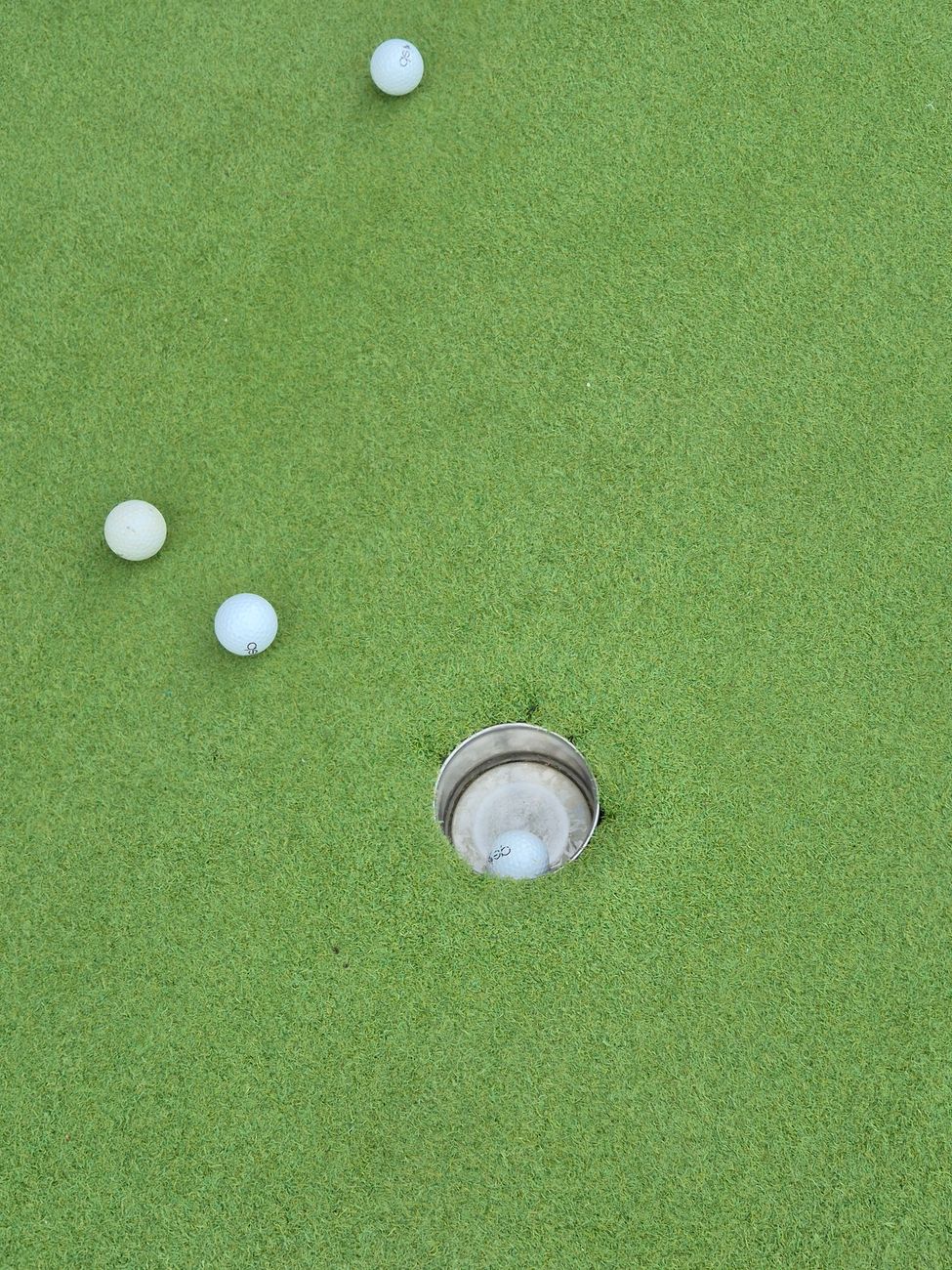
The Ann Arbor course says repairs will happen in phases, with temporary greens used on affected holes. University police are investigating what caused the unusual damage.
The University of Michigan Golf Course in Ann Arbor, Michigan, is closing several greens for repairs after suspected vandalism, Golfweek reported on July 28, 2026. The damage caused sudden discoloration of the putting surfaces, and the University of Michigan Department of Public Safety is investigating the incident as potential foul play.
Golfers with tee times will be contacted directly and may be directed to temporary greens while repair crews work through the affected holes. The course says the putting surfaces appear likely to recover, but the collars around the greens need more direct repair.
Repairs will happen in phases
The University of Michigan Golf Course said it plans to close three to four greens at a time over the next couple of weeks while crews resod collars around the course. Players are not being shut out entirely; instead, golfers will be allowed to continue rounds using temporary target greens in the fairway on holes under repair.
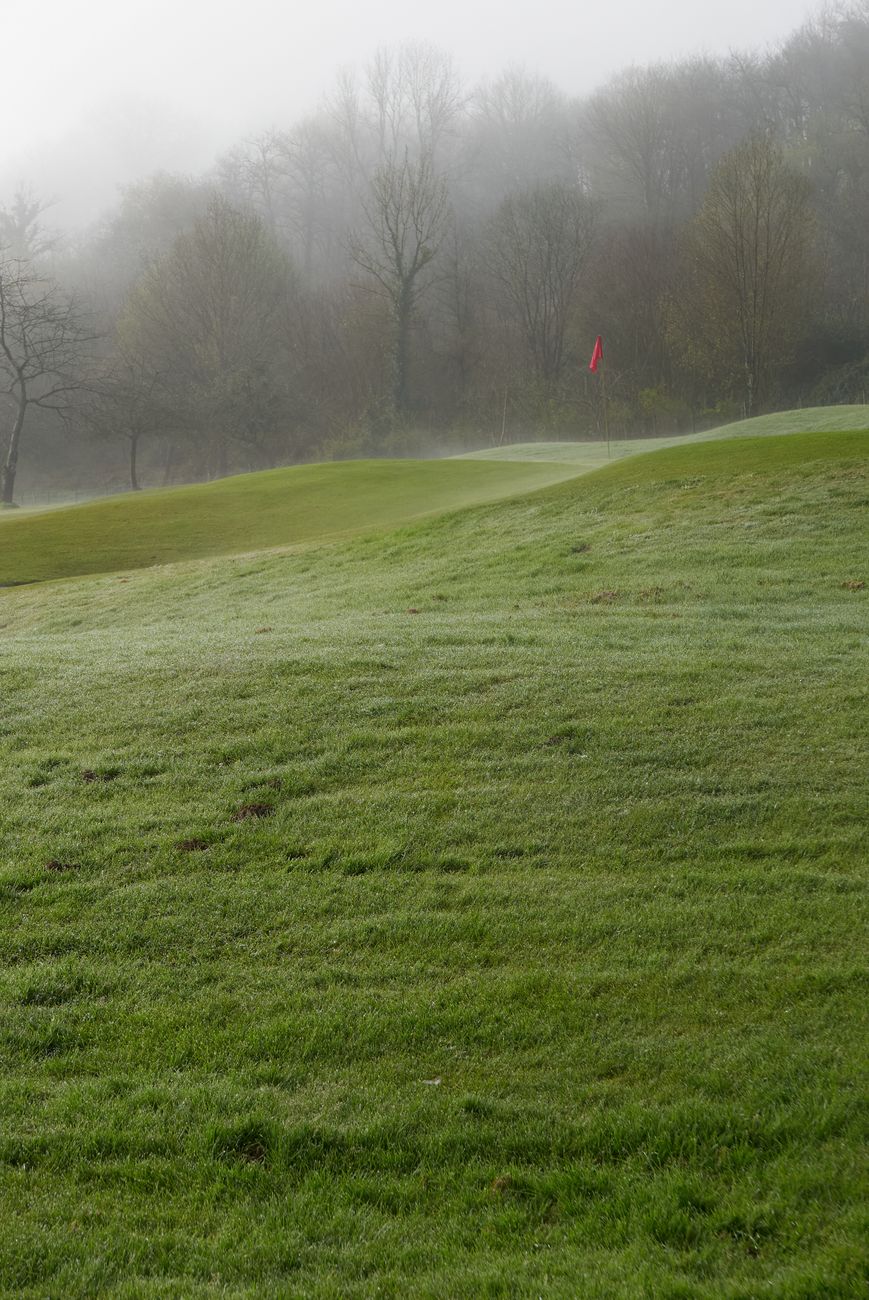
That phased approach matters for anyone with a scheduled round. It keeps the course open in limited form, but it also changes how the course plays, especially around approach shots and scoring opportunities. A temporary green in a fairway is not the same test as a restored putting surface guarded by the original design.
The course described the issue as an “unforeseen and highly unusual decline in the coloring of our putting surfaces,” according to Golfweek’s report. Earlier this month, the greens were described as suddenly burnt-looking and discolored, prompting concern that the damage was not a routine turf problem.
For now, the key distinction is between the putting surfaces and the collars. The course has said it is cautiously optimistic about the long-term recovery of the putting surfaces, while the collars are being resodded as part of the repair plan.
Why the discoloration raised alarms
Golf courses expect turf stress. Heat, humidity, disease pressure, irrigation problems and chemical mishaps can all show up quickly on greens. But the University of Michigan Golf Course’s public language points to something it views as out of the ordinary, not just a bad week of summer maintenance.
The phrase “suspected foul play” is important because it signals an investigation, not a confirmed finding. The course has not publicly identified a person, motive or exact method behind the damage. It has said it is working with public safety officials while repairs move ahead.
That leaves two parallel tracks: restoring the course for golfers and figuring out what happened. One is visible in sod work, temporary greens and tee-time notifications. The other is less visible and depends on what investigators can determine from the site, timing and any available information from witnesses or records.
The University of Michigan Police Department is continuing the investigation, according to the course’s statement cited by Golfweek. The course asked anyone with information to call 734-763-1131.
Golfers should expect altered rounds
For golfers, the immediate issue is not whether the course is famous or who designed it. It is whether a booked tee time still works as planned. The answer appears to be yes for many players, but with adjustments.
The course said golfers with existing tee times during construction will be contacted directly. That should reduce confusion, though it also means players should watch for calls, emails or other notices before arriving.
Temporary greens can affect pace, scoring and expectations. Putts may be replaced by shorter approaches to a target area, and holes may play shorter or less strategically than usual. For casual golfers, that may be a manageable inconvenience. For players hoping to experience the full course, it may be a reason to reschedule if the course allows it.
- Check your tee-time messages: The course says it will contact affected golfers directly.
- Expect temporary targets: Closed holes may use fairway targets instead of regular greens.
- Plan for a different round: Yardages, scoring and strategy may not match a normal day at the course.
- Avoid assumptions: The investigation is ongoing, and suspected foul play has not been publicly resolved.
A notable course faces disruption
The University of Michigan Golf Course is not just another campus amenity. It is one of the better-known public-access courses in the Ann Arbor area and has long drawn attention because of its architecture and university setting.
The course was designed by Alister MacKenzie, the architect associated with Augusta National Golf Club. That pedigree is part of why golfers pay close attention when something unusual happens there. Damage to greens is never welcome, but disruption at a high-profile course carries extra visibility.
Golfweek noted that the Detroit Free Press ranked the U-M course as the No. 1 public course in metro Detroit golf in 2022. Rankings are subjective, but they reflect the course’s reputation with local players and golf writers. A sudden closure of several greens, even temporary, is therefore more than a maintenance note for regulars.
There is also a stewardship issue. Historic or architecturally significant courses depend on careful turf management to preserve the intended playing experience. When damage forces temporary targets and collar replacement, the course can remain open, but the original design is partly interrupted.
What officials have not said
The public information so far leaves several important questions unanswered. Officials have not publicly explained what substance or action may have caused the discoloration, how many total greens were affected, or whether the damage happened in one incident or over a period of time.
They also have not given a firm date for full normal play to resume. The repair plan points to work over the next couple of weeks, with three to four greens handled at a time, but turf recovery is not always exact. Weather, root health and how quickly new sod takes hold can all affect the schedule.
The careful wording from the course also reflects the limits of what can be said during an investigation. Calling the situation suspected vandalism or potential foul play does not prove intent. It does, however, explain why university public safety officials are involved rather than treating the matter only as a groundskeeping issue.
That uncertainty may frustrate golfers who want a clean answer. For now, the most useful information is practical: the course is not closing entirely, repairs are underway, and affected tee times should be handled directly by the course.
The takeaway for players
The University of Michigan Golf Course is trying to balance access with repair. Keeping golfers on the property while several greens are closed may preserve tee sheets and reduce disruption, but it also asks players to accept a compromised version of the course for a short stretch.
The bigger question is whether the investigation confirms vandalism and whether any additional safeguards follow. Golf courses are open, spread-out properties, which can make them difficult to protect after hours. If foul play is confirmed, the incident could become a reminder that prized turf surfaces are both valuable and vulnerable.
For now, the course’s message is measured: repairs are happening, the putting surfaces may recover, golfers with tee times will be contacted, and public safety officials are still investigating. Until more details emerge, anyone planning to play in Ann Arbor should treat the next few weeks as a repair period, not a normal summer run.







Leave a Reply