

The closed-door meetings put two wartime leaders before Trump on the same day, but with sharply different requests. The timing underscored how much U.S. diplomacy is being shaped by conflicts in the Middle East and Ukraine.
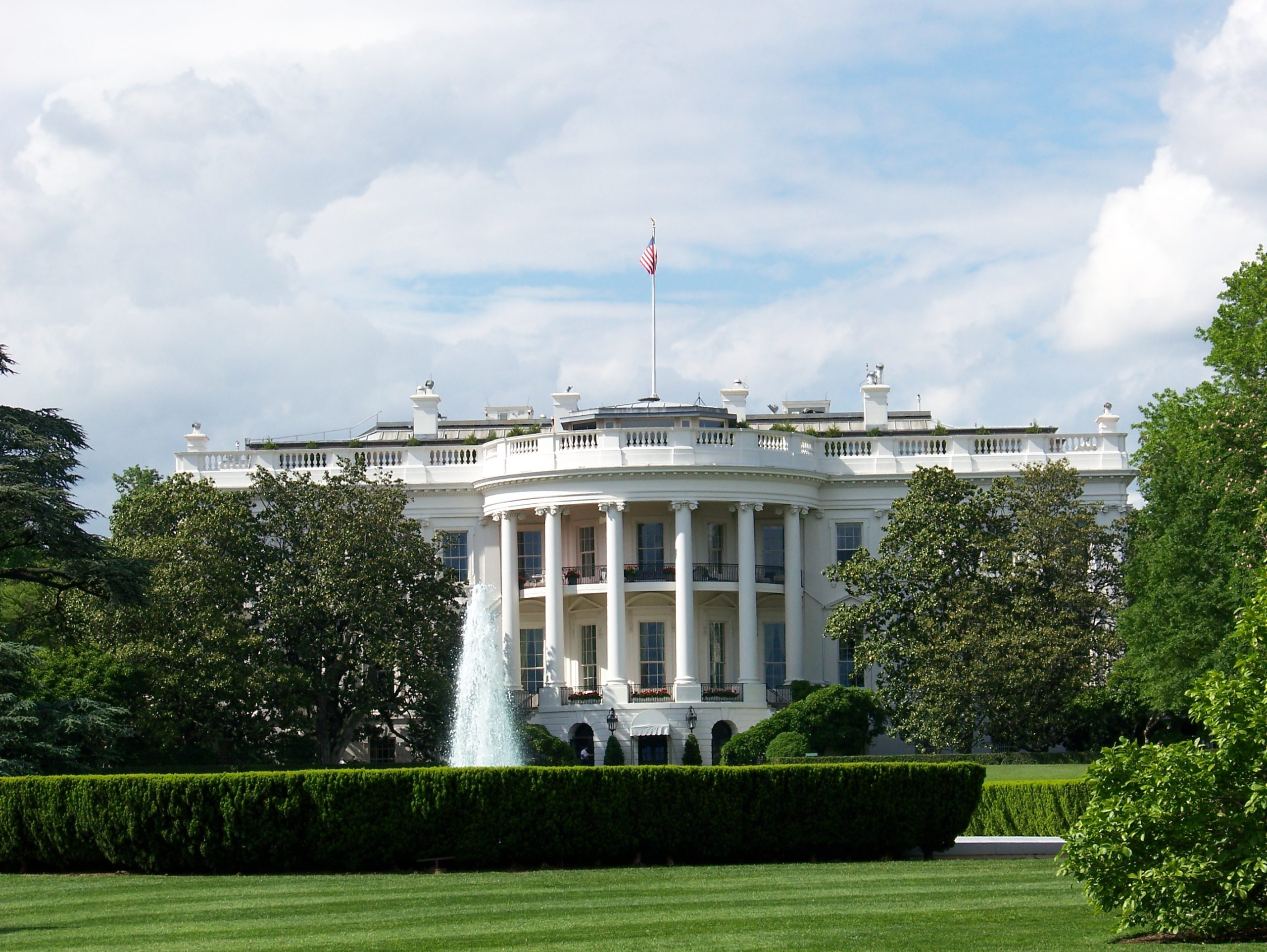
Donald Trump is meeting separately with Benjamin Netanyahu and Volodymyr Zelenskyy at the White House in Washington, D.C., putting the Israeli and Ukrainian leaders into back-to-back, closed-door diplomacy on Tuesday, July 28, 2026. The meetings are at the White House, and this article explains why the meetings matter now: Netanyahu is seeking to manage tensions after U.S.-Israeli action against Iran, while Zelenskyy is pressing for ways Ukraine can sustain its war effort against Russia.
The unusual pairing gave Trump two very different foreign-policy conversations in one day. One centered on Israel, Iran and a personal alliance showing strain; the other on Ukraine’s long war and the search for more durable weapons production.
Two allies, two separate agendas
The key word is separately. Netanyahu and Zelenskyy were both in Washington, and both met with Trump, but the White House diplomacy was not presented as a joint session or a single unified war summit.
That matters because the two leaders came with different political needs. Netanyahu’s meeting was tied to Israel’s security posture and the aftermath of U.S.-Israeli moves against Iran. Zelenskyy’s was focused on Ukraine’s ability to keep fighting Russia, including talks about producing powerful weapons domestically.
According to The Associated Press, the meetings with Netanyahu and Zelenskyy were closed-door. That limits what is publicly known and makes the official readouts, body language and later policy moves more important than the photo opportunity itself.
For Trump, the format offered flexibility. He could reassure Netanyahu without blending Israel’s agenda into Ukraine’s, and he could hear Zelenskyy’s case without turning the day into a public comparison of two wars competing for American attention.
Netanyahu meeting tests strained ties
Netanyahu met with Trump before a memorial service for the late Sen. Lindsey Graham, according to AP. The outlet reported that it was the first meeting between the two leaders since they launched what AP described as a joint war against Iran.
The meeting also came with a personal and diplomatic subtext. AP reported that it was a chance for Netanyahu to smooth strains in the relationship, even as both leaders spoke positively about the conversation afterward.
That combination is familiar in high-stakes diplomacy: public warmth, private pressure. Netanyahu benefits from appearing closely aligned with Trump, especially after military action involving Iran. Trump, in turn, can project control over a volatile Middle East file while keeping the details behind closed doors.
Still, the closed format leaves important gaps. It is not clear from the available reporting whether the two leaders agreed on next steps, discussed limits on future action, or addressed how the United States and Israel would manage the political fallout from the Iran conflict.
Zelenskyy pushes weapons production
Zelenskyy’s meeting had a different center of gravity. AP reported that Trump and Zelenskyy discussed ways for Ukraine to produce its own powerful weapons, along with other ideas that could help Ukraine in its ongoing war against Russia.
That detail is significant because it points beyond short-term aid packages. For Ukraine, the ability to produce more weapons at home could reduce dependence on uncertain foreign deliveries and help sustain the war effort over time.
For Trump, the weapons-production conversation offers a possible middle lane. Supporting Ukraine’s capacity to arm itself can be framed differently from open-ended U.S. transfers, though the practical details would matter enormously: technology, funding, supply chains, training and restrictions on how weapons are used.
Nothing in the available reporting indicates a finalized agreement. The phrase reported by AP — that the leaders discussed weapons production and other ideas — suggests an exploratory conversation rather than a public breakthrough.
Graham memorial added diplomatic weight
The day’s diplomacy unfolded alongside the memorial for Sen. Lindsey Graham at Washington National Cathedral. AP reported that both Netanyahu and Zelenskyy were among those in attendance, placing two wartime leaders in the same Washington orbit at a moment of political remembrance.
Trump delivered remarks at the service and called Graham “a force to be reckoned with all over the world,” according to AP. Graham, a South Carolina Republican, was closely associated with hawkish foreign-policy positions and longtime support for a muscular U.S. role abroad.
That setting gave the meetings added symbolism. Netanyahu, Zelenskyy and Trump were not just moving through routine bilateral appointments; they were in Washington on a day when U.S. power, alliances and interventionist politics were being publicly remembered through Graham’s legacy.
The memorial also helps explain why the diplomatic traffic converged. High-profile funerals and state ceremonies often become informal diplomatic gathering points, even when the real negotiations happen elsewhere and out of public view.
Why the separation matters
Separate meetings can be efficient, but they can also be revealing. Trump did not have to balance Netanyahu’s priorities against Zelenskyy’s in the same room. Each leader got a tailored audience, and each could leave with a message aimed at supporters back home.
For Netanyahu, the message is continuity with Washington after tension. For Zelenskyy, it is that Ukraine still has direct access to the U.S. president as Russia’s war continues and as Kyiv searches for longer-term weapons capacity.
There is also a domestic U.S. angle. American voters and lawmakers have sharply different views on foreign military commitments, and Trump’s handling of both meetings will be read through debates over how much the United States should spend, risk and promise abroad.
The split-screen diplomacy lets Trump avoid one immediate problem: choosing publicly between two allies on the same stage. But it does not erase the larger question of whether Washington can sustain attention, resources and political consensus across two major conflict zones.
What remains unclear
The biggest unanswered issue is what, if anything, changes after the meetings. Closed-door diplomacy can produce real movement, but it can also produce carefully worded optimism without a concrete policy shift.
On the Israel side, the public record does not yet show whether Trump and Netanyahu settled the reported strains in their relationship or agreed on a shared path after the Iran conflict. On the Ukraine side, there are no public details yet on what weapons-production ideas were discussed, who would pay for them, or how quickly they could matter on the battlefield.
That is why the follow-up may be more important than the meetings themselves. Watch for official statements, defense-production announcements, congressional reactions and any change in the tone from Jerusalem, Kyiv or the White House.
For now, the takeaway is clear: Trump used one Washington day to handle two of the most consequential wartime relationships facing his presidency. Netanyahu and Zelenskyy left with separate conversations, but the same underlying question hangs over both — how far the United States is prepared to go.










Leave a Reply