

The tributes around Graham’s Washington funeral are also a measure of how much the Republican Party has changed around him. His career tied personal charm to an interventionist worldview now under pressure in both parties.
US lawmakers are remembering Lindsey Graham before his funeral at Washington National Cathedral in Washington on Tuesday, saying he was persuasive, funny, and hawkish — a combination that made the South Carolina Republican one of the Senate’s most recognizable foreign-policy voices. Graham died July 11 at 71, and the service drew official Washington into a rare moment of bipartisan remembrance.
The tributes are not only about personality. They are also about a political style that linked backroom persuasion, public humor and an unapologetically muscular view of American power, at a time when both parties are more skeptical of Washington’s old foreign-policy consensus.
A Senate figure with sharp edges
Reuters reported that U.S. lawmakers recalled Graham ahead of the funeral as persuasive, funny and hawkish. Those three words capture why he could be both a trusted colleague and a polarizing national figure.
Graham represented South Carolina in Congress for more than three decades, serving first in the House and then in the Senate. Over that span, he became a fixture in debates over war, alliances, judicial nominations, immigration, presidential power and the Republican Party’s changing identity.
His admirers often stressed the personal Graham: quick with a joke, fluent in Senate relationships and capable of moving between factions that otherwise barely spoke. Senate tributes tend to sand down conflict, but even the warmest remembrances did not erase the fact that Graham built his influence by taking firm, sometimes combative positions.
That is why the word “hawkish” matters in the remembrances. It is not a passing label. It is central to how Graham understood America’s role in the world.
Why Washington gathered for him
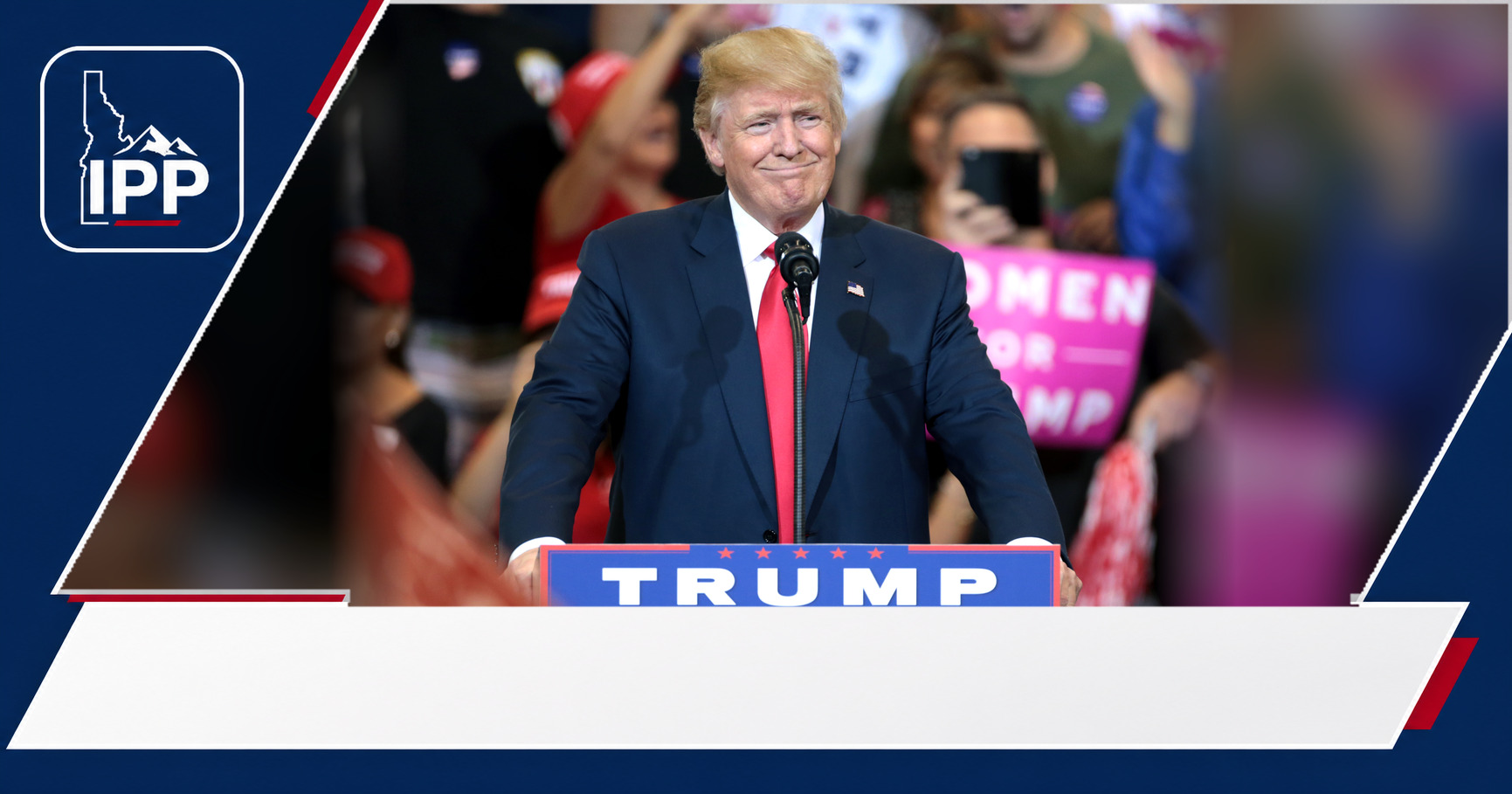
The Washington Post reported that President Donald Trump hailed Graham during Tuesday’s funeral as “one of the great figures in Senate history.” The service at Washington National Cathedral drew much of official Washington, along with dignitaries from abroad.
The Post reported that Israeli Prime Minister Benjamin Netanyahu and Ukrainian President Volodymyr Zelensky were among those tied to the day’s observances. Their presence underscored the international reach of Graham’s work, especially his focus on Israel, Ukraine, Iran and the use of U.S. power overseas.
CNN reported that funeral services were being held for the longtime Republican senator, who died July 11 at age 71. The Washington service was described by the Post as the first of two services for Graham.
Funerals for senior senators often become a map of their relationships. In Graham’s case, the guest list pointed to a career spent not only in committee rooms and campaign rallies, but also in war zones, diplomatic meetings and arguments over where America should draw hard lines.
Humor as political currency
Graham’s humor was not incidental to his power. Colleagues who described him as funny were also describing a tool he used to lower the temperature in tense rooms and keep conversations open even with people who disagreed with him.
That kind of personal politics has become harder to sustain in a Washington shaped by cable-news combat, social media incentives and primary challenges. Graham operated in that environment too, and often embraced its sharper edges, but he also came from an older Senate culture where persuasion depended on private trust as much as public messaging.
To supporters, that made him effective. He could argue fiercely on policy and still maintain working relationships. To critics, his charm sometimes softened the perception of positions they viewed as too aggressive, especially on military intervention.
Both readings can be true. Graham’s career is a reminder that likability and ideology do not cancel each other out. In Washington, they often work together.
The hawkish legacy at stake
PBS described Graham as a champion of a vision of American foreign policy that is fading in Washington: a United States willing to use military strength and alliances to protect democracies and confront adversaries. That worldview shaped much of Graham’s public life.
He was a staunch defender of Ukraine, according to PBS, even as support for open-ended U.S. commitments abroad became more contested inside the Republican Party. He also remained closely associated with strong support for Israel and a hard line toward Iran.
That record made him influential, but it also made him a target. The wars in Iraq and Afghanistan damaged public trust in interventionist arguments, and Trump’s rise was powered in part by voter anger at the costs of those conflicts. Graham’s wing of the GOP never fully recovered its old dominance.
PBS framed Graham as a bridge between Trump’s “America First” politics and the more traditional Washington emphasis on alliances. That bridge was always uneasy. Graham criticized Trump before becoming one of his most visible allies, a shift that supporters defended as practical and critics saw as a concession too far.
A complicated Trump-era bond
The Trump-Graham relationship became one of the defining political storylines of Graham’s later career. It was not simple loyalty from the start. Graham had been a sharp critic before aligning himself closely with Trump once Trump became the dominant force in Republican politics.
That turn helped Graham stay relevant in a party reshaped around Trump’s instincts. It also deepened questions about how he balanced conviction, access and influence.
PBS noted criticism from those disappointed by what they saw as Graham’s “moral flexibility” in recent years. That critique sits alongside the funeral praise, not outside it. Public legacies are rarely tidy, especially for politicians who remain active through major party realignments.
Still, the fact that Trump spoke at the funeral and praised Graham’s Senate stature shows how fully Graham had embedded himself in the political world that once seemed at odds with his internationalist instincts.
What remains after the tributes
The Washington Post reported that the funeral took place hours before the Senate was set to take up legislation named in Graham’s honor. The available reports did not fully establish how that legislation would proceed or what final form it would take.
The larger unanswered question is political rather than procedural: who, if anyone, inherits Graham’s role. His mix of personal persuasion, partisan combat and foreign-policy hawkishness was unusual even while he was alive. It may be harder to replicate now.
For admirers, Graham’s death removes a senator who could still argue for alliances, military strength and American engagement from inside Trump’s Republican Party. For skeptics, it closes a chapter on a worldview they believe overreached and left lasting costs.
The funeral tributes show why Lindsey Graham mattered in Washington. They also show why his legacy will be debated long after the cathedral service ends: he was funny enough to disarm opponents, persuasive enough to shape votes, and hawkish enough to define some of the biggest arguments of his era.








Leave a Reply