
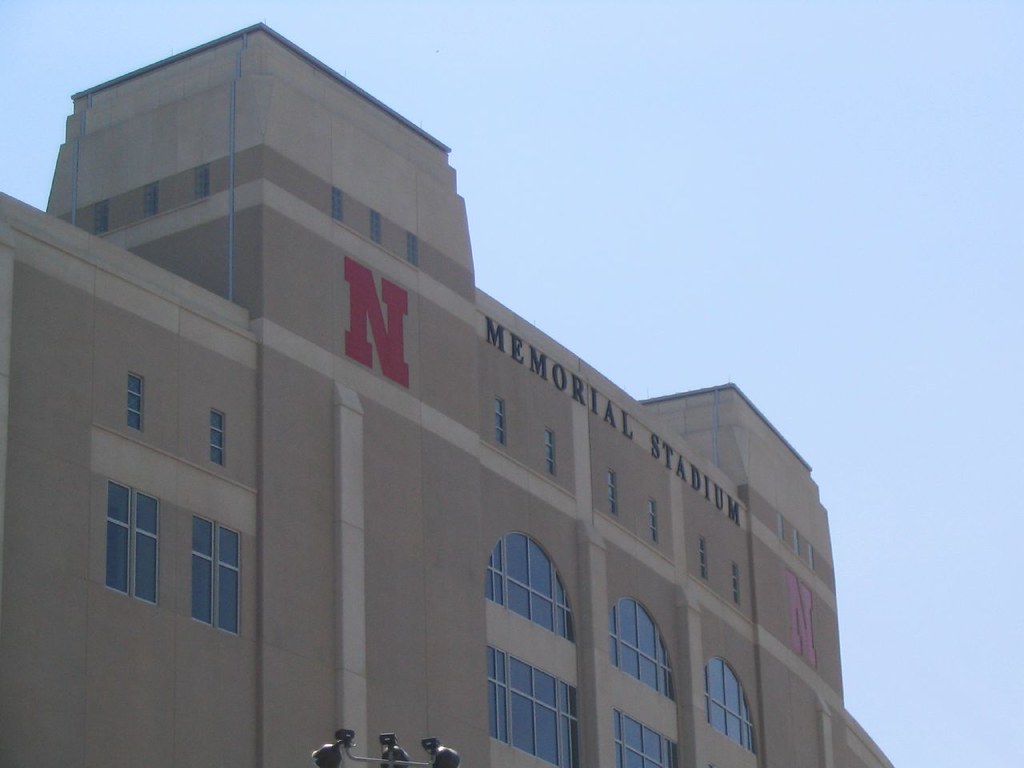
The Cornhuskers have history, loyalty and a recognizable brand. The question is whether those strengths can still win in a college football economy built on NIL, recruiting reach and rapid roster repair.
Nebraska may need to sell tradition to keep pace with Ohio State, but the harder question is what sell really means. This article compares Nebraska with Ohio State in college football at a moment when elite programs are turning history, NIL resources, recruiting reach and player development into one integrated roster machine.
For the Cornhuskers, tradition remains an asset. It is also no longer enough by itself. The programs Nebraska is chasing have learned to make old prestige feel current, useful and profitable to recruits who were not alive for the Huskers’ national title era.
A close loss showed the gap
The debate resurfaced because Nebraska’s standard is not simply to look improved. It is to become relevant against the top tier of the Big Ten and the broader college football playoff class. Ohio State is the obvious comparison because it sits where Nebraska wants to be: wealthy, visible, talent-rich and expected to win even when it is flawed.
The Athletic, published by The New York Times, reported on Ohio State’s 21-17 win over Nebraska in Columbus in October 2024 as a game that said something about both programs. Ohio State did not look dominant. Its offensive line struggled, the Buckeyes rushed for only 64 yards and quarterback Will Howard was pressured. Yet Ohio State still won.
That is the difference between an elite program and a rebuilding one. Ohio State can play an uneven game and survive. Nebraska can show growth, generate real tension, find encouraging signs on defense and still leave with another missed chance.
The same report noted two stark streaks at the time: Ohio State had won 45 straight games against unranked opponents, while Nebraska’s losing streak against AP-ranked teams reached 27 games. Those numbers are not just trivia. They describe a credibility gap.
Ohio State makes tradition work
The phrase the Ohio States of CFB is not only about trophies. It is about programs that turn history into a weekly advantage. Ohio State’s past matters, but its present operation matters more: recruiting pipelines, brand visibility, staff continuity, NFL development credibility and enough roster depth to absorb injuries or misses.
Nebraska has tradition, too. Memorial Stadium, the fan base, the national brand, the walk-on mythology and the memories of a once-feared machine still carry weight. The problem is that weight does not automatically move a 17-year-old prospect who is comparing NIL opportunities, offensive fit, quarterback development, social reach and playoff exposure.
Ohio State does not ask recruits to choose between tradition and modernity. It presents both as part of the same package. That is the lesson Nebraska has to take seriously.
If Nebraska sells tradition, it cannot mean cheapening it. It has to mean translating it. A recruit should be able to see how the program’s past creates a better future for him now, not just why it mattered to his parents.
What selling tradition really means
Selling tradition sounds uncomfortable in Lincoln because Nebraska’s identity has long been tied to authenticity. Fans do not want the program to become a copy of every other national power, chasing flash at the expense of what made Nebraska distinct.
That concern is fair. College football is full of programs that mistake cosmetic modernization for real modernization. New uniforms, louder graphics and bigger slogans do not fix line play, recruiting misses or poor roster balance.
But the opposite mistake is more dangerous: treating tradition like a museum exhibit. If the best parts of Nebraska football are only preserved, not deployed, they become nostalgia rather than competitive advantage.
For Nebraska, selling tradition should mean a few specific things:
- Make the sell recruit-centered. The pitch cannot stop at history. It has to explain development, opportunity and exposure.
- Use loyalty as proof, not pressure. A passionate fan base is powerful when it shows support, not when it demands reverence from players who did not grow up with the same memories.
- Modernize roster repair. Elite programs use the transfer portal and high school recruiting together. Nebraska cannot rely on patience alone.
- Connect NIL to identity. If tradition is part of the brand, it should help athletes see real market value in wearing the N.
The uncomfortable sacrifices ahead
The hardest part is that some version of compromise is probably unavoidable. Nebraska may have to give up the idea that its old formula can simply be restored. The sport has changed too much.
Roster continuity is harder. Development timelines are shorter. Top recruits have more options, more information and more leverage. The transfer portal rewards programs that evaluate quickly and act aggressively. NIL has turned brand strength into something that must be organized, not merely admired.
That does not mean Nebraska has to abandon its identity. It does mean the program may have to loosen its grip on certain assumptions: that tradition alone should attract elite players, that patience will automatically be rewarded, or that the Nebraska name carries the same recruiting force everywhere that it carries inside the state.
Ohio State’s model is not perfect. The Athletic’s account of that 2024 Nebraska game pointed to real concerns about the Buckeyes’ offensive line and depth. But even their problems arrived from a higher platform. Nebraska is trying to build the platform first.
Rhule’s culture bet matters
Matt Rhule’s comments after that close loss in Columbus captured the emotional middle ground Nebraska occupies. The Athletic reported that Rhule said he saw a championship mindset from the Huskers and added: “The football will continue to get better. But make no mistake, the hardest thing is building a culture of championship-caliber expectations without winning.”
That line matters because it gets at Nebraska’s central tension. Culture is necessary. It is not sufficient. A team can play hard, respond well after a bad loss, believe in the staff and still fall short if the roster is not deep enough or the offense is not explosive enough.
Freshman quarterback Dylan Raiola offered a glimpse of what modernization can look like on the field. In that Ohio State game, he completed 21 of 32 passes for 152 yards, and his 38-yard scramble showed another way Nebraska could stress defenses. Small details like that matter because elite programs rarely win with one static identity anymore.
The best version of Nebraska under Rhule would not be a replica of the 1990s. It would be a program that keeps the toughness and seriousness associated with that era while building a roster for the current one.
Reverence is not a strategy
Nebraska’s fan base has every reason to protect what makes the program different. College football is better when regional identity still matters, and Nebraska’s history is not something to apologize for.
But reverence is not a recruiting plan. It is not a portal strategy. It is not a pass rush, a left tackle or a third-down answer inside the 10-yard line.
The useful question is not whether Nebraska should sell tradition. It is whether Nebraska can sell it honestly enough, creatively enough and aggressively enough to make it matter again against Ohio State and the rest of the sport’s elite class.
If the Cornhuskers can do that, tradition becomes a bridge. If they cannot, it risks becoming a beautiful reminder of a version of college football that no longer exists.







Leave a Reply