
The shift is not just about bigger explosions. It is about forcing Russia to spend more time defending the routes and systems that keep its troops supplied.
Ukraine’s drone war is no longer confined to the trench line. Increasingly, the most consequential targets are the roads, depots, radar sites and command links that sit behind Russian positions.
That matters because armies do not fight on ammunition alone. They fight on fuel, repairs, communications, food, replacement parts and the confidence that the road behind them will still be open tomorrow.
The fight behind the front
A recent Associated Press report highlighted how Ukrainian midrange drones are being used to target Russian supply lines, a shift that has become one of the defining features of the war’s current phase. The headline is simple, but the battlefield logic is deeper: Ukraine is trying to make Russia’s rear areas feel less like sanctuary and more like contested ground.
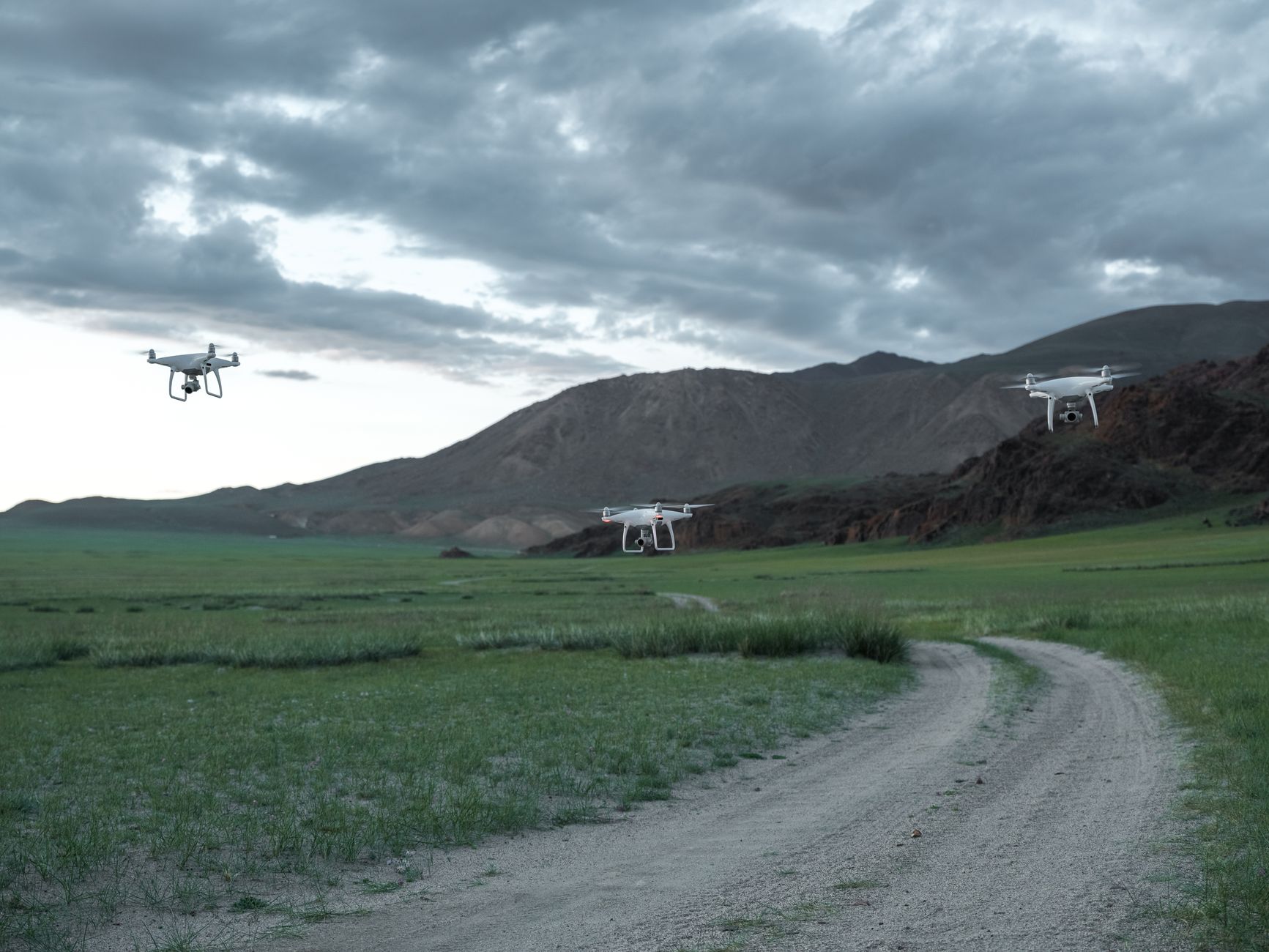
Midrange drones occupy a crucial space between short-range battlefield quadcopters and long-range strike systems. They can reach beyond immediate trenches and firing positions, but they are still numerous and cheap enough to be used as part of a sustained campaign rather than a rare strategic strike.
The Council on Foreign Relations, in a June 2026 analysis of Ukraine’s drone innovation, said Ukrainian systems are now striking roughly 30 to 100 kilometers behind the front lines. That expands what analysts often call the kill zone, putting logistics nodes and transit routes under pressure.
For Russia, that means a truck route that once felt routine may now require more air defense, more electronic warfare protection, more concealment and more detours. Every added layer slows the military machine.
Why supply lines matter
Wars are often described through advances, retreats and territorial maps. But the less visible contest is logistics. A unit that cannot receive shells, fuel or medical evacuation support becomes weaker even if no one has captured its position yet.
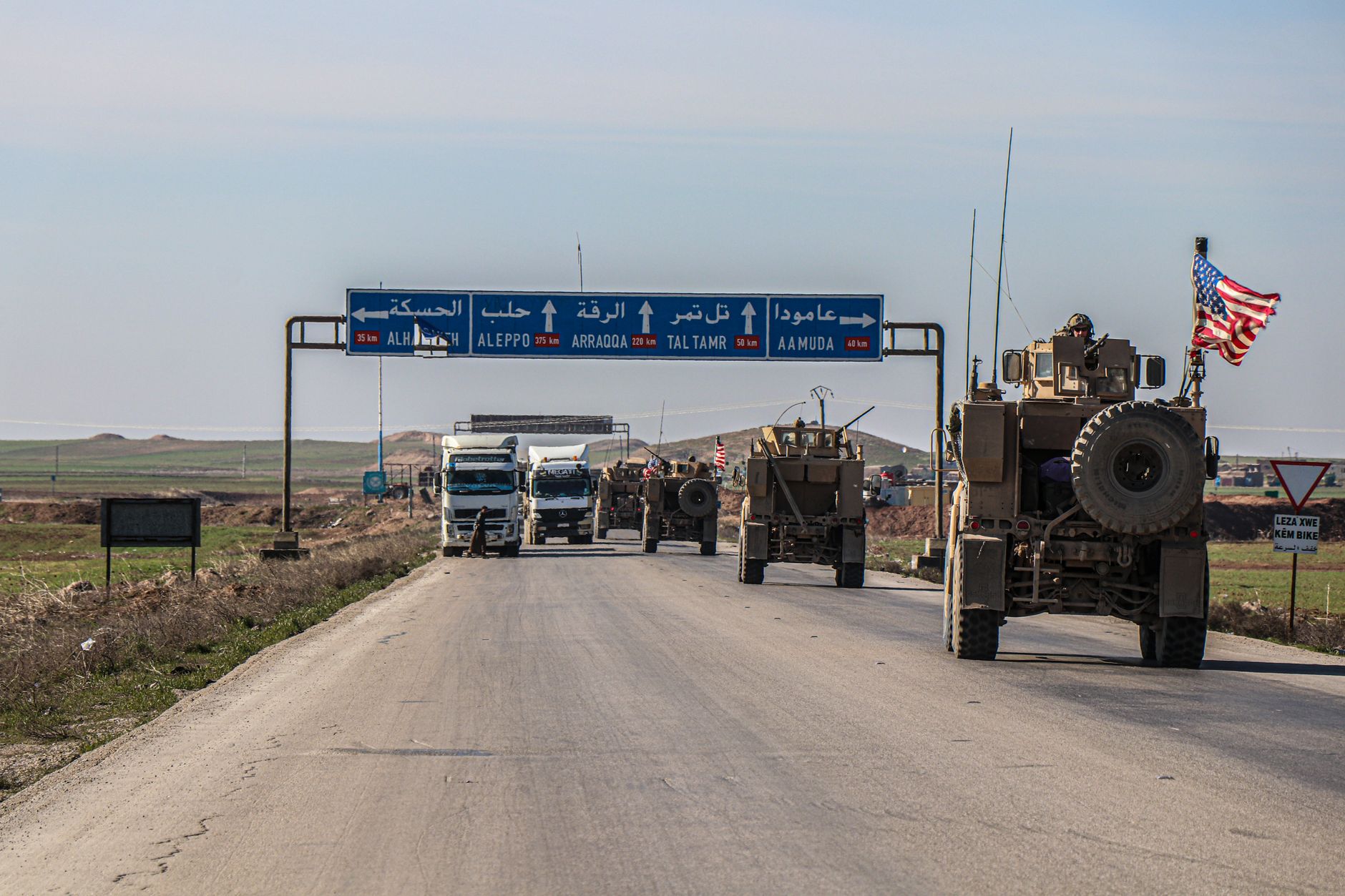
Ukraine’s strategy appears aimed at that weakness. Instead of only hitting troops at the edge of battle, drones can target the systems that allow those troops to keep fighting: road junctions, staging areas, ammunition dumps, repair facilities, radar, electronic warfare assets and command posts.
The CFR analysis said Ukrainian drone strikes have targeted Novorossiysk and other rear-area logistics nodes, compounding pressure on Russian supply lines. It also said some Russian roads that had been passable since the first offensive in 2022 are now unusable.
That does not automatically mean a breakthrough is coming. Russia has adapted throughout the war, and wartime battlefield claims can be difficult to verify in real time. But forcing an opponent to reroute, disperse and protect everything is itself a military effect.
Cheap systems, expensive problems
The drone equation is brutal because of cost. A relatively inexpensive one-way attack drone can threaten a vehicle, radar system or logistics site worth many times more. Even when it misses, it can force the other side to spend money and manpower defending against the next attempt.
CFR’s analysis pointed to the U.S.-supplied Hornet as an example of the new economics, saying it costs under $10,000 to produce and complements Ukrainian-made drones. That price point matters because it allows commanders to think in terms of mass, repetition and attrition.
Ukraine cannot match Russia’s manpower or traditional arms stockpiles at scale. Its drone campaign is part of an asymmetric answer: use precision, numbers and rapid adaptation to offset disadvantages in artillery, armor and personnel.
The same analysis said drones have dominated the frontline kill zone for years and are responsible for a large share of casualties. The newer development is Ukraine’s effort to push that pressure deeper, against logistics and command systems that Russia depends on to sustain attacks.
Jamming changed the drone race
Russia’s electronic warfare has been one of the biggest obstacles for Ukrainian drone operators. Jamming can disrupt GPS signals, cut communication links and cause drones to lose control before they reach a target.
Ukraine’s answer has been a mix of high-tech and low-tech adaptation. CFR noted that Ukrainian forces have used fiber-optic cables to guide some one-way attack systems, helping them resist jamming. They have also used physical nets to catch drones approaching important Ukrainian supply roads.
Autonomy is another piece of the race. If a drone can keep flying after its link to an operator is disrupted, it becomes much harder to stop. CFR cited Ukraine’s TFL-1 as a system that can continue autonomously after a human selects the target if the data link is cut.
This does not make drones unstoppable. Weather, air defenses, camouflage, electronic warfare and simple battlefield chaos still matter. But each workaround forces Russia to solve a new problem, and the cycle of measure and countermeasure is moving quickly.
Russia is still dangerous
The drone story can sound like a clean technological turning point. It is not. Russia still has mass, artillery, missiles, glide bombs, electronic warfare and its own expanding drone capabilities.
CFR’s analysis said Russia continues to apply offensive pressure in eastern Ukraine and the Zaporizhzhia region, even as Ukraine has used drones to regain momentum in places. That tension is important: drones can reshape conditions, but they do not erase the rest of the war.
Russia can also adapt by dispersing supplies, hardening sites, moving at night, changing routes, using decoys and layering air defenses. Every military advantage in this war tends to trigger a counteradaptation.
The question is whether Ukraine can keep innovating faster than Russia can protect its rear. If it can, even a front line that moves slowly may hide serious damage to the machinery behind it.
The next battlefield is logistics
The larger signal is that the battlefield is becoming wider, deeper and more transparent. A road behind the front is not just a road. It is a potential target, a surveillance corridor and a test of whether supplies can move without being detected.
That shift changes the decisions commanders make every day. Should ammunition be stored closer to troops, where it is useful but vulnerable? Should convoys move more slowly under cover? Should scarce air defenses protect cities, headquarters, bridges or fuel depots?
Ukraine’s midrange drones are forcing those choices on Russia. Their value is not only in what they destroy, but in the uncertainty they create: which route is safe, which depot has been spotted, which radar site is next.
The clean takeaway is this: Ukraine’s drone campaign is not just about new weapons. It is about turning Russian logistics into a battlefield of its own, where every kilometer behind the front can become part of the fight.









Leave a Reply