
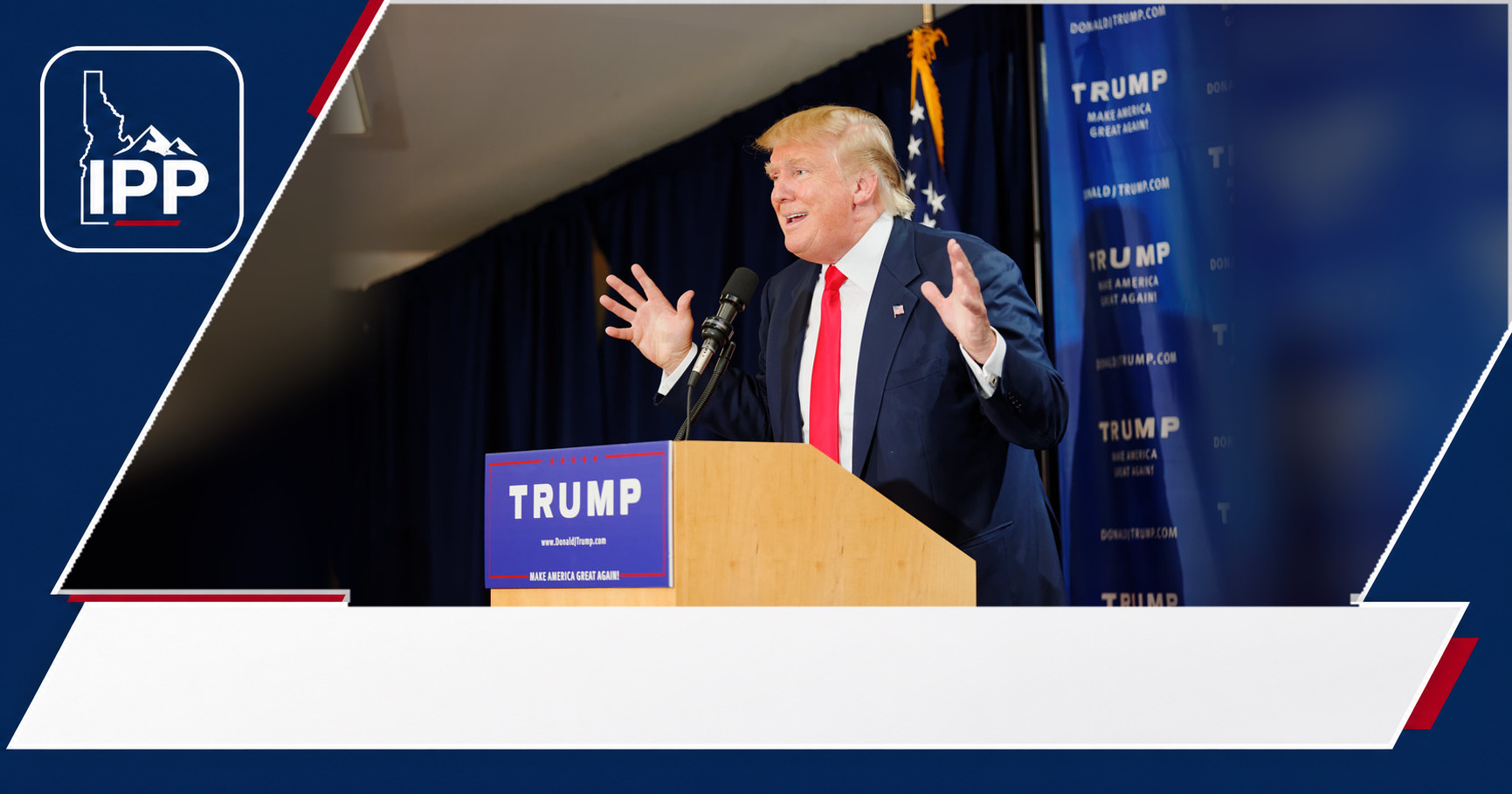
The president is trying to frame higher prices as a temporary energy shock tied to the Iran war. Democrats see a quote that could define the cost-of-living debate before the midterms.
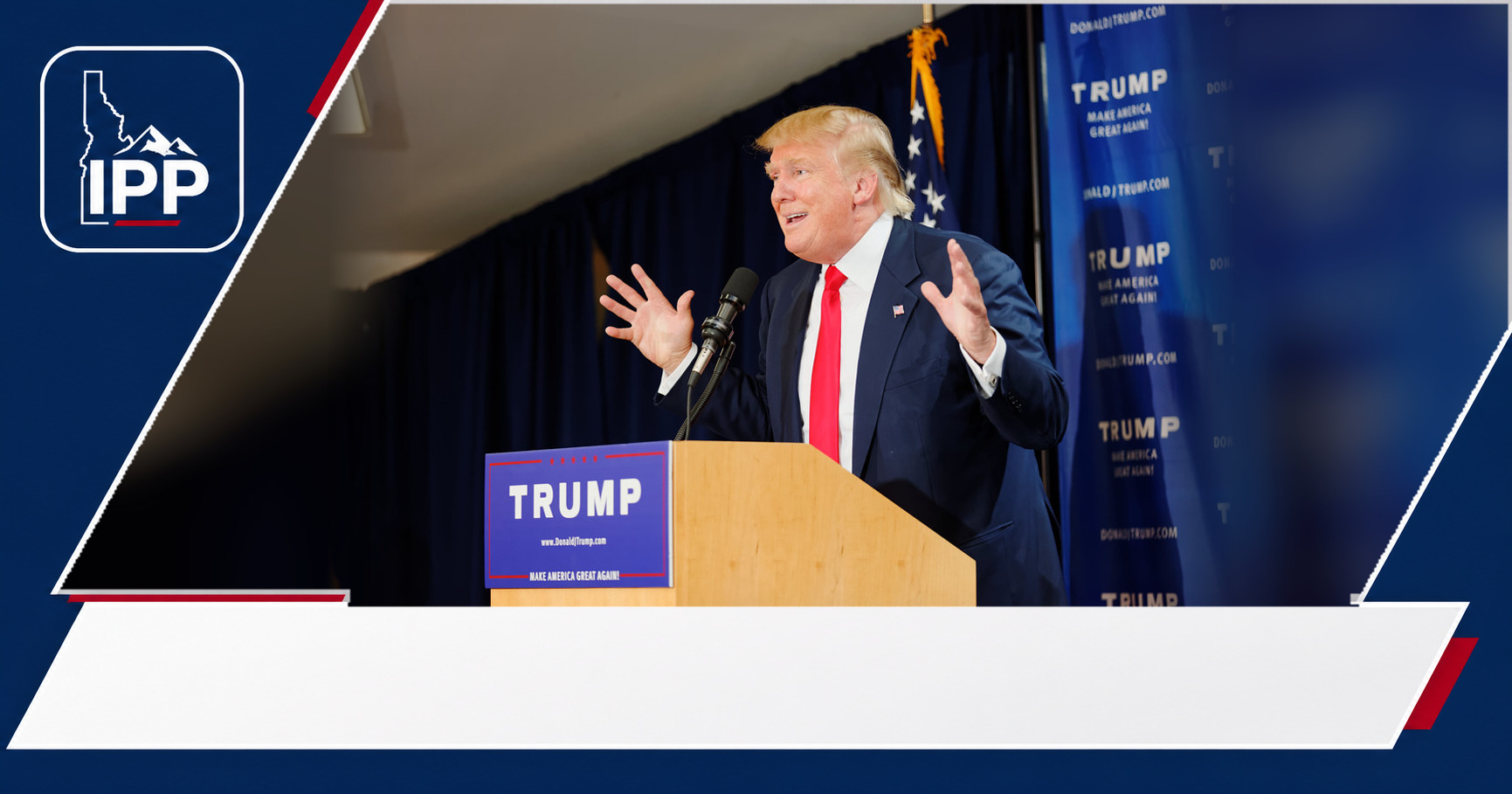
President Donald Trump said he loves inflation at the White House in Washington on Wednesday, June 10, 2026, even as prices have been rising and recent inflation data showed a sharp increase. Asked about a May consumer price index report showing prices up 4.2% from a year earlier, Trump told reporters, “I love the inflation.”
The remark matters because inflation is again becoming a political test of whether the White House can explain higher costs before voters decide how much blame to assign. Trump is taking a surprisingly positive view of a number most presidents would rather downplay.
A risky message on prices
Trump’s comment landed awkwardly because the cost of living has been one of the most durable political liabilities for presidents in both parties. Voters may disagree over causes, but they rarely need help noticing higher grocery bills, rent, insurance premiums or gasoline prices.
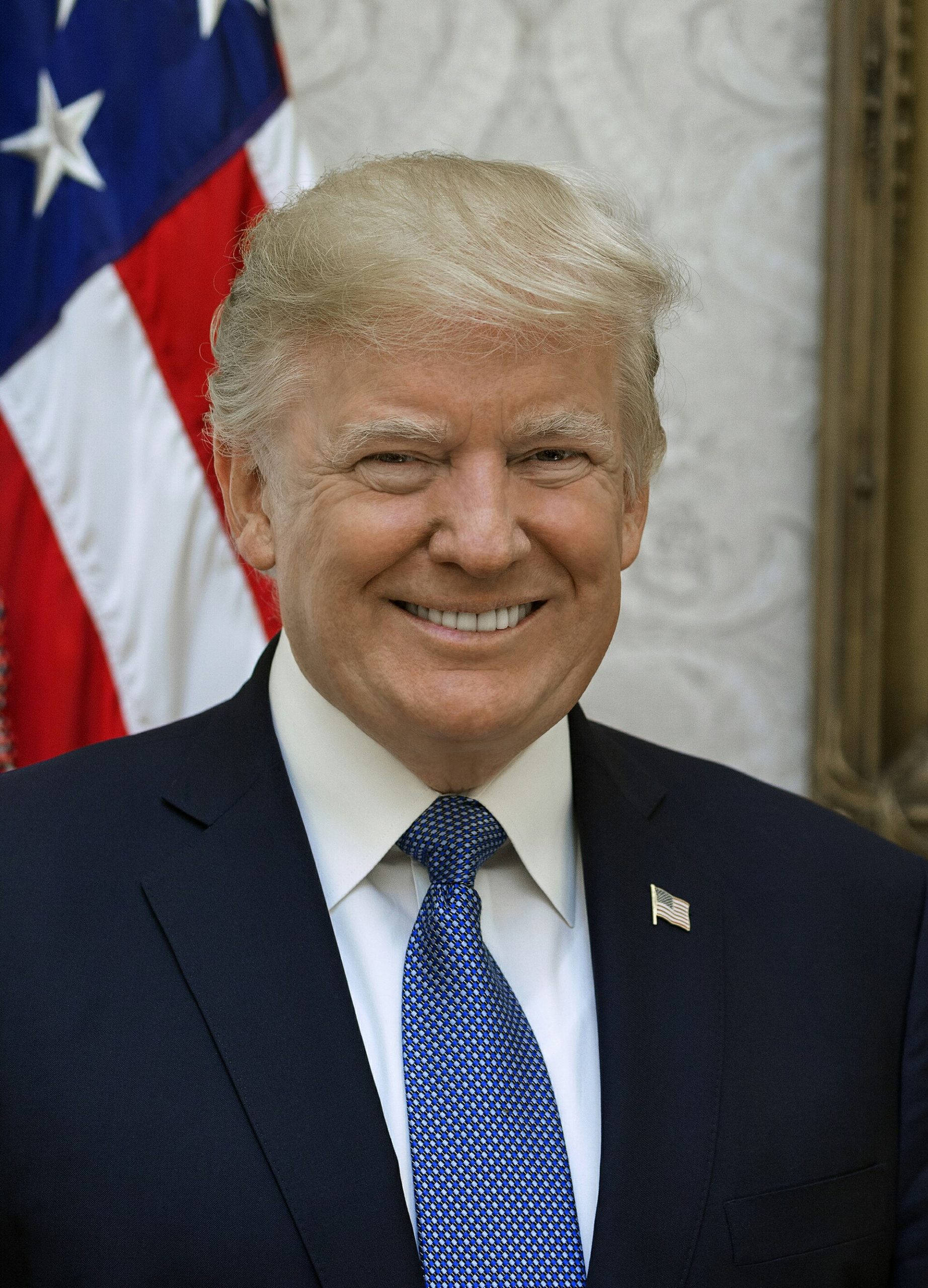
According to the Associated Press, the May consumer price index rose 4.2% from a year earlier, the highest inflation reading since April 2023. That figure put new pressure on Trump’s claim that his administration is improving affordability.
Rather than arguing the report was misleading or insisting prices were already falling across the board, Trump tried a different tack. He praised the inflation data and tied the problem to energy markets, saying relief would come as oil supplies improved.
That is the political gamble. If prices ease quickly, Trump can argue he saw through a temporary shock. If they do not, the phrase “I love the inflation” gives opponents a simple line to repeat every time households feel squeezed.
Why the 4.2% figure hurts
The 4.2% number is not just an economic statistic. It is a shorthand for whether wages, savings and household budgets are keeping up.
Inflation does not have to be historically extreme to be politically damaging. Once prices rise, many do not fall back to where they were. Slower inflation still means prices are climbing, just at a slower pace.
The AP reported that the White House pointed to some categories that fell in May from the previous month, including new vehicles, prescription drugs and auto insurance. That gives the administration selective evidence to argue the picture is not uniformly bad.
But the broader problem is purchasing power. If prices rise faster than hourly earnings, workers can feel poorer even if they are still employed and receiving raises. That gap is where inflation becomes less about charts and more about everyday resentment.
The White House points to oil
Trump’s explanation centered on energy costs and the Iran war. He argued that higher prices were linked to disruptions around oil, not to his broader economic agenda.
He also claimed that a secret military operation had helped move more than 100 million barrels of oil through the Strait of Hormuz, a key shipping channel that had been disrupted by the war. The AP noted there was no immediate data available to verify that total or clarify the U.S. military’s role.
The Strait of Hormuz matters because a large share of global oil moves through it. Before the war, AP reported, roughly 20 million barrels a day passed through the strait, meaning Trump’s claimed 100 million barrels would equal about five days of normal shipments.
That context cuts both ways for the White House. The claim, if backed up, would support Trump’s argument that he is working to ease energy pressure. But without public evidence, it also gives critics another opening to accuse him of overselling a fix.
Democrats move fast
Democrats treated Trump’s words as a political gift. Senate Democratic Leader Chuck Schumer posted that Trump had said “I love the inflation” on camera, framing it as evidence that the president was out of touch with Americans facing higher costs.
House Democratic Leader Hakeem Jeffries also seized on the remark, using it to mock Trump’s priorities. The speed of the response showed how ready Democrats are to make affordability a midterm message.
At a hearing, Rep. Emilia Sykes of Ohio pressed Energy Secretary Chris Wright on whether he loved inflation too. Wright said he loved “ending Iran’s ability to have a nuclear weapon,” and, after being pushed, said he would prefer lower inflation.
Wright also defended Trump as “an entertaining, hyperbolic guy” and praised his leadership. That defense may satisfy supporters who see Trump’s language as blunt showmanship. It is less clear whether it helps voters who are looking for evidence that prices will come down.
Markets were not reassured
Financial markets offered a more cautious response than the president’s rhetoric. AP reported that U.S. crude oil futures climbed roughly 4% on Wednesday, closing near $92 a barrel.
That matters because energy prices can move quickly through the economy. Higher oil prices can affect gasoline, shipping, production and consumer expectations. Even when energy is not the only driver of inflation, it can shape how households feel about the economy.
Trump said oil prices had fallen below $90 a barrel after topping $110 in early April. But the Wednesday move in crude suggested traders were still pricing in risk, especially as the United States launched airstrikes against Iran and Tehran responded in the region.
The administration’s argument depends on a chain of events that voters may not track in detail: conflict affects oil routes, oil affects inflation, and military or diplomatic action can restore price stability. The political problem is that voters often judge the chain by the number they see at the pump.
What remains unclear
The biggest unanswered question is whether the May inflation spike is temporary or the start of a more stubborn problem. A single report can shift a news cycle, but repeated reports shape consumer psychology and Federal Reserve expectations.
There is also a credibility test. Trump campaigned in 2024 on quickly beating inflation. Saying he now “loves” inflation may be intended as confidence, sarcasm or salesmanship, but opponents will treat it as literal indifference.
The White House’s best-case scenario is straightforward: energy pressures ease, inflation cools, and Trump argues his critics overreacted to one line. The worst-case scenario is just as clear: prices keep rising, wages fail to keep pace, and the quote becomes a campaign ad.
For now, the comment has given both sides what they wanted. Trump has a way to blame inflation on war and oil disruption rather than domestic policy. Democrats have a memorable phrase to attach to every household cost complaint. The next inflation reports will decide which version voters believe.




Leave a Reply