
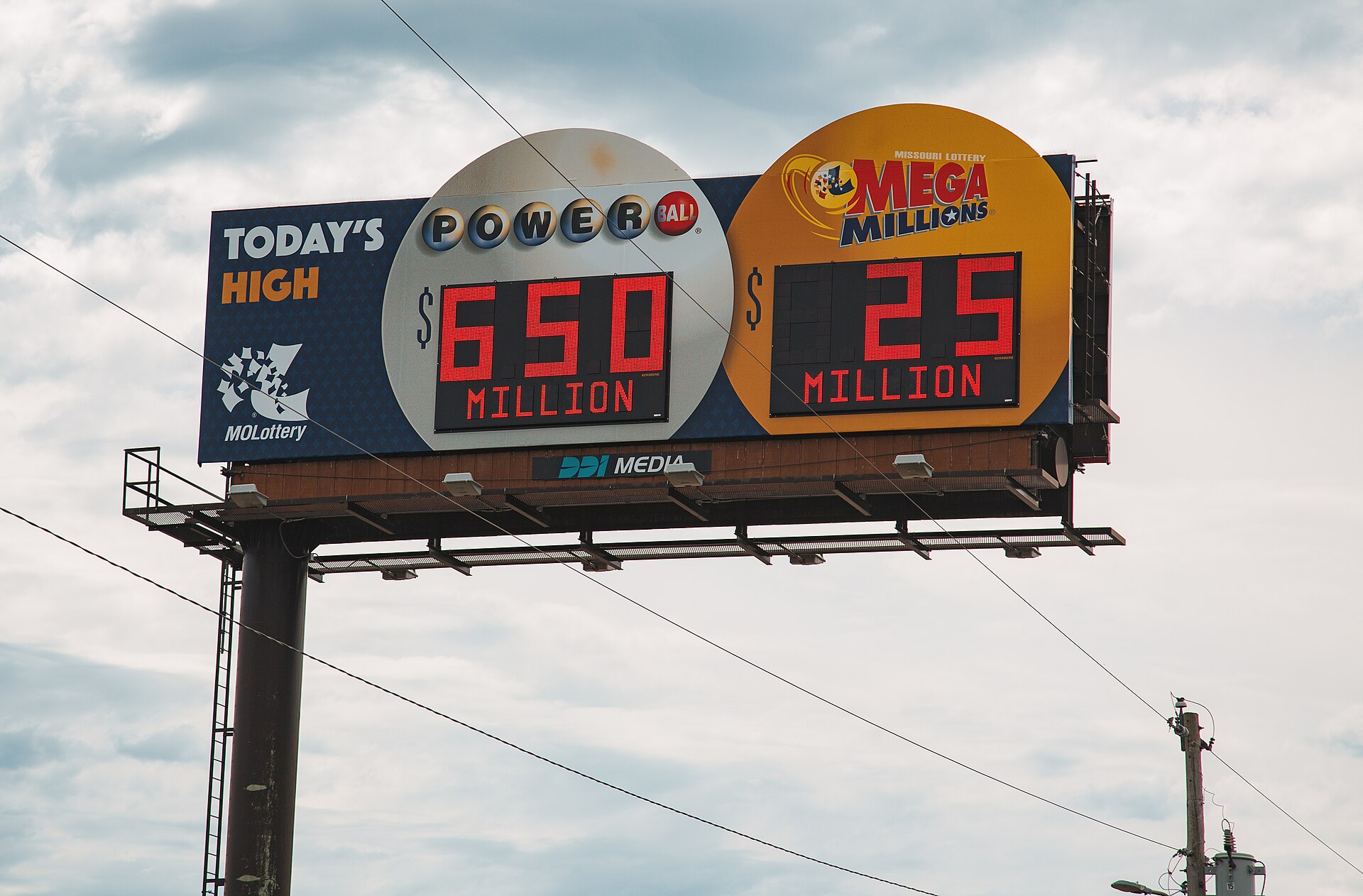
The change brings U.K. players into the same top prize pool for the first time. Bigger sales can lift future jackpots faster, even though the odds remain as long as ever.
Powerball jackpots are expected to grow faster because Powerball ticket sales expanded to the United Kingdom through an agreement between Allwyn UK and the Multi-State Lottery Association. Starting with the July 23 drawing, United Kingdom lottery players can buy into the same top prize and contribute to the jackpot prize fund for the first time.
The expansion could make jackpots grow more quickly when nobody wins, because more players mean more tickets feeding the shared prize. For U.S. players, the headline is simpler: bigger possible rollups, same brutal odds.
A bigger pool, same game
Powerball’s move into the United Kingdom marks the first time a non-U.S. lottery has contributed to the game’s jackpot, according to reporting on the launch and Powerball’s own announcement. The arrangement runs through Allwyn UK, the operator of the U.K. National Lottery, and the Multi-State Lottery Association, which runs Powerball in the United States.
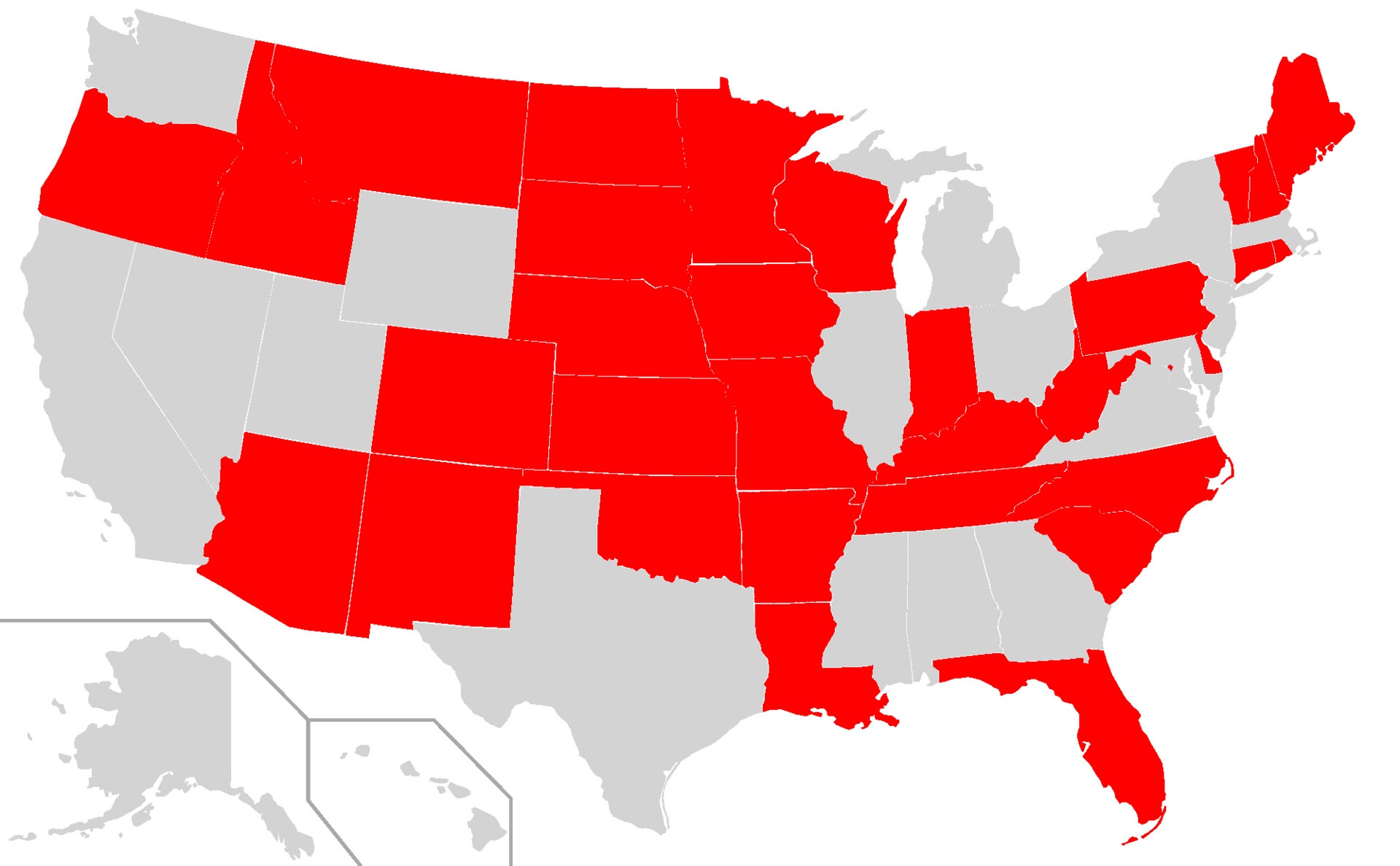
That does not mean Powerball has suddenly become a different game for Americans. Tickets in the U.S. still cost $2. Drawings remain on Monday, Wednesday and Saturday nights. Players still pick five white balls from 1 through 69 and one red Powerball from 1 through 26.
The odds are unchanged, too. The chance of winning the jackpot remains 1 in 292.2 million, while the overall odds of winning any prize remain 1 in 24.9.
What has changed is the number of people who can buy into the top prize. That is the engine behind the faster-jackpot claim.
Why more players matter
Jackpots grow fastest when sales are high and no ticket matches all six numbers. Every rollover adds more money to the advertised prize, and giant jackpots tend to create their own sales cycle: the bigger the number gets, the more casual players notice.
The U.K. launch adds another source of sales to that cycle. Each Powerball ticket sold in the United Kingdom contributes the same amount to the shared jackpot as a ticket sold in the United States, according to USA Today’s summary of the launch details, even though U.K. tickets cost more.
That is why officials are talking about speed, not odds. A larger player base does not make any one ticket more likely to win. It can, however, make the jackpot rise more sharply between drawings if the top prize keeps rolling over.
Rebecca Paul, president and CEO of the Tennessee Lottery and former president of the World Lottery Association, framed the change as a growth moment for the brand. “More players means faster-growing jackpots, more excitement and even greater impact for the communities we serve,” she said in a statement cited by Powerball.
What U.S. players will notice
For most U.S. players, the practical answer is: not much at the counter. The ticket price, drawing schedule, number field and prize odds stay the same.
The visible difference may show up on the jackpot sign. If U.K. sales add meaningful volume, advertised jackpots could climb more quickly after drawings without a grand-prize winner. At the launch point, Powerball’s estimated jackpot for the July 23 drawing was $567 million, with a cash option of about $251.8 million before taxes.
Powerball officials have also stressed that U.S. lottery revenue rules are not being rewritten by the expansion. More than half of each U.S. ticket sale will continue to remain in the jurisdiction where the ticket was bought, supporting state and local programs such as education, scholarships, veterans services, parks and recreation.
That point matters because Powerball is not just a gambling product. It is also a revenue system for participating lotteries, and those lotteries have a strong interest in reassuring players and lawmakers that the U.K. expansion does not drain local proceeds.
How U.K. play differs
British players are joining the same jackpot pool, but they are not getting an identical product. A Powerball ticket in the United Kingdom costs 4 pounds, which was roughly $5.33 at the time of the launch reporting, compared with $2 in the United States.
The lower-tier prizes are also handled differently. U.K. ticket sales contribute to the shared jackpot, while smaller prizes are paid through a separate U.K. prize structure rather than simply mirroring the U.S. payout setup.
The biggest difference may come if someone in the United Kingdom wins the jackpot. U.S. jackpot winners can typically choose between a lump-sum cash option and an annuity paid over 30 years. U.K. winners will receive annual payments over 30 years administered by the U.K. National Lottery, according to the reported launch terms.
That distinction could matter to players who see the same enormous advertised jackpot but face a different set of payout rules depending on where the winning ticket was purchased.
Bigger jackpots are not better odds
The appeal of the expansion is obvious. Bigger jackpots dominate social feeds, office pools and convenience-store chatter. They also make the game more entertaining for people who only buy a ticket when the prize becomes hard to ignore.
The caution is just as obvious. A faster-growing jackpot does not change the math for an individual player. One ticket still faces jackpot odds of 1 in 292.2 million. Buying more tickets improves a player’s chances only in a narrow arithmetic sense, while quickly increasing the amount spent.
That is the tension lottery operators live with. More players and larger jackpots generate excitement and public revenue, but the product remains a long-shot wager. The bigger number on the billboard is not a signal that the game has become easier to beat.
It may even make the lottery feel more tempting to occasional players. A $2 U.S. ticket can look small next to a nine-figure prize, but the expected outcome for almost everyone is still a losing ticket.
What remains unclear
The open question is how much the U.K. market will actually accelerate jackpot growth. Officials can say more sales should help jackpots rise faster, but the size of the effect will depend on demand, repeat play and how players respond after the novelty of the launch fades.
It is also unclear how often U.K. participation will affect headline-making jackpots in a noticeable way. Powerball already has a massive U.S. footprint, and jackpot growth can vary based on rollovers, promotional cycles and public attention.
For now, the takeaway is clean: Powerball has expanded beyond U.S. lottery participation, and U.K. ticket sales now feed the same top prize. That can make jackpots build faster, but it does not make a jackpot ticket any less of a long shot.









Leave a Reply