
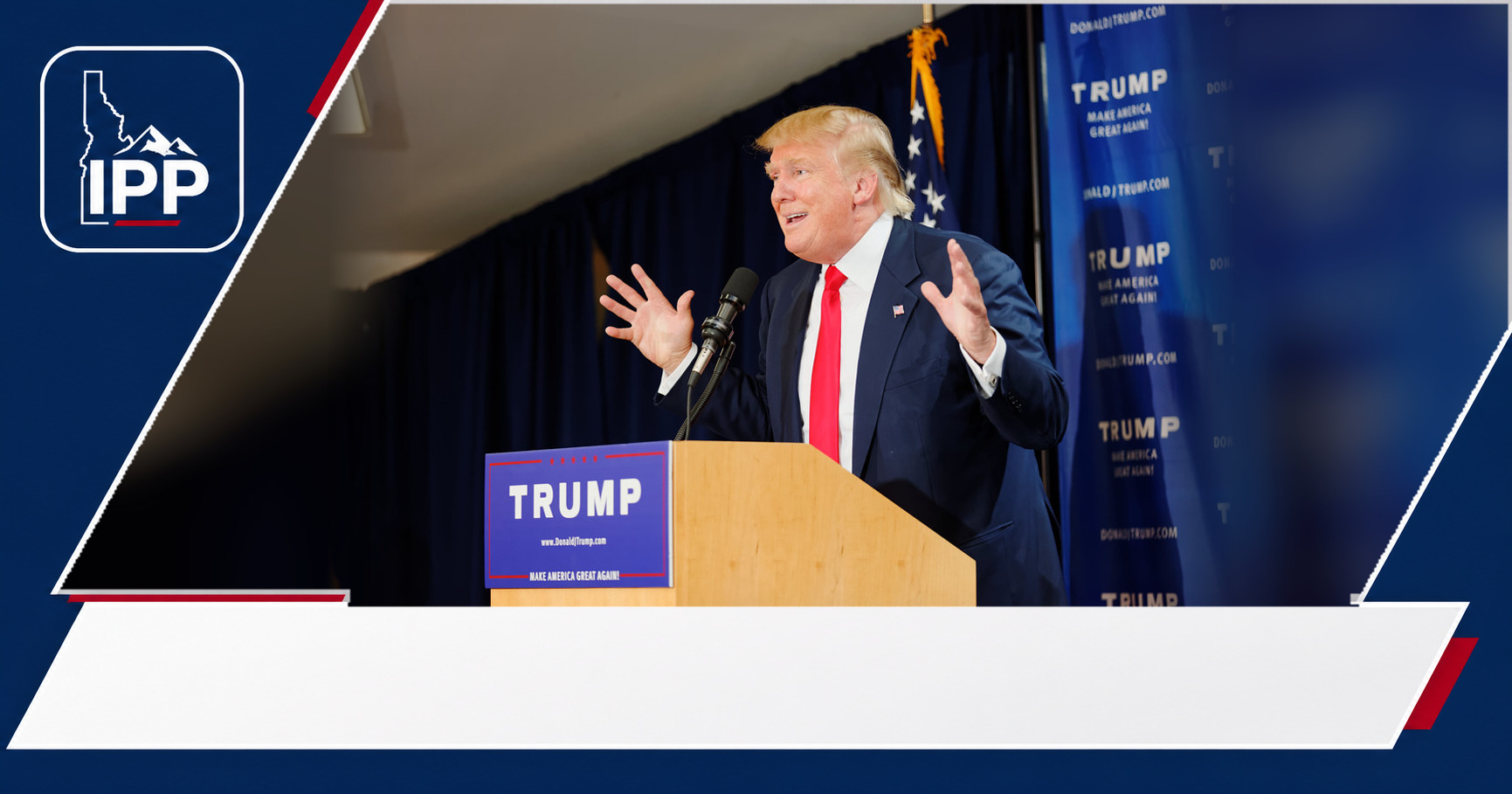
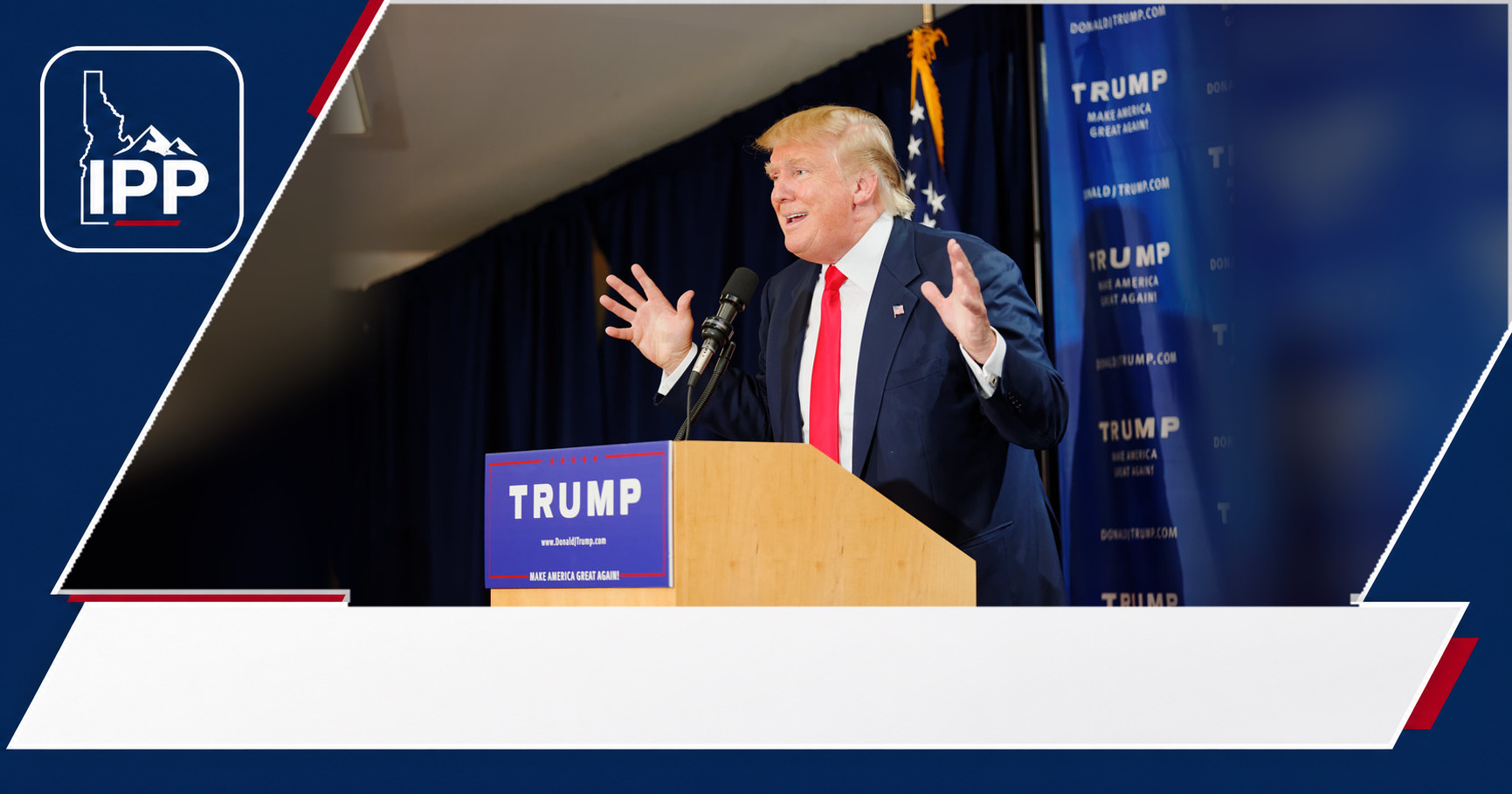
The phrase is more than a jab at Trump. It captures a larger argument about backlash, civic energy and whether anger can become durable political power.
Donald Trump has awakened a politically significant ‘sleeping giant’ in America, according to an Alternet opinion surfaced by MSN, and the article explains what the ‘sleeping giant’ means in this political context: an American public that commentators see as newly alert, angry and politically active because of Trump.
The “dancing” part of the metaphor matters. It suggests this public is not merely waking up, but moving — showing energy that could shape future political outcomes in the United States if it turns into votes, organizing, pressure campaigns and sustained civic attention.
The giant is the public
The “sleeping giant” is not one party leader, one institution or one protest group. In this argument, it is the broader American public — especially people who may have been disengaged, exhausted or cynical about politics until Trump’s conduct and rhetoric made staying quiet feel impossible.
That is why the phrase has punch. A sleeping giant is powerful before it acts. The danger, for the person who wakes it, is that the force was already there; it only needed a trigger.
In political commentary, the metaphor usually points to latent civic power: voters who rarely participate, moderates who dislike chaos, young people who feel newly threatened, or institutionalists who may disagree on policy but agree that democratic norms need defending.
The claim is not that every American has moved against Trump. It is that his presence has created a counter-mobilization with emotional force and political potential.
Why Trump is the trigger
The Alternet piece is framed as opinion, not a neutral hard-news report. A related PressReader listing for AlterNet identifies Robert Reich as the author of an April 13, 2026, commentary under the headline “Change is coming as Trump awakens a sleeping giant.” The excerpt shown there opens with alarm about “one man” backed by the military power of the United States being able to threaten catastrophic consequences.
That framing places Trump at the center of the argument: not just as a polarizing politician, but as a catalyst. The idea is that his approach to power, public conflict and institutional pressure has pushed some Americans from frustration into action.
For Trump critics, this is the familiar backlash theory: the louder and more aggressive Trump becomes, the more he reminds opponents why they cannot tune out. His style can dominate attention, but it can also unify people who otherwise disagree on taxes, foreign policy, immigration or the size of government.
For Trump supporters, the same behavior reads differently. They often see Trump’s confrontation with elites, media organizations and government institutions as the point of his appeal. In that view, the awakened force is not anti-Trump America, but his own coalition, energized by conflict and convinced he is fighting on its behalf.
The dance means momentum
The phrase “and he’s dancing” turns a static metaphor into a moving one. A giant waking up is dramatic. A giant dancing is public, rhythmic and hard to ignore.
Politically, that image points to momentum: rallies, donations, volunteer shifts, viral commentary, local organizing, lawsuits, pressure on lawmakers and the everyday act of people paying attention when they previously checked out.
But there is a key distinction. Energy is not the same as power. A viral opinion article, a crowded meeting or a spike in outrage can create the feeling of a turning point. It does not automatically produce durable political change.
That is where the metaphor becomes both useful and risky. It captures a mood, but mood has to survive boredom, disinformation, fatigue, strategic errors and the grind of electoral systems.
The counterargument is real
Political metaphors often flatten the country into one dramatic image. America, though, is not one giant with one mind. It is a divided electorate with overlapping identities, local concerns and deeply different interpretations of the same events.
Some voters who dislike Trump’s tone may still prefer his policies. Some who oppose him may stay home. Some who feel alarmed by democratic backsliding may not trust the opposition party either. And some who are described by commentators as “awakened” may simply be angry online, which is not the same as building power offline.
There is also a strategic danger for Trump’s opponents. If they believe the giant is already dancing, they may mistake enthusiasm inside their own circles for national consensus. American politics has punished that assumption before.
At the same time, Trump’s team faces its own risk. A politician can thrive on conflict until the conflict exhausts persuadable voters. The line between mobilizing a base and alarming everyone else is one of the central tensions of Trump-era politics.
What would prove it
The strongest test of the “sleeping giant” argument is not whether the phrase travels online. It is whether the energy shows up in measurable ways.
- Turnout: Are sporadic voters actually participating more often?
- Persuasion: Are independents or soft partisans moving, or are both sides only becoming louder?
- Organization: Are local groups gaining volunteers, money and staying power?
- Institutional pressure: Are elected officials changing behavior because constituents are watching?
- Geography: Is the backlash concentrated in already blue areas, or is it visible in competitive states and districts?
Without those signs, the metaphor remains a compelling piece of commentary. With them, it becomes a description of political reality.
That is why the story resonates now. Many Americans are trying to understand whether the constant churn around Trump is numbing the country or radicalizing it into participation.
Why the metaphor sticks
“Sleeping giant” has a long life because it carries warning and hope at the same time. It tells the powerful not to mistake quiet for consent. It tells the discouraged that passivity can end.
In Trump’s case, the phrase also fits the emotional rhythm of the past decade of American politics. Outrage rises, fades, returns and mutates. People swear they are done paying attention, then another controversy pulls them back in.
That cycle can look chaotic. Commentary like the Alternet opinion tries to impose a shape on it: Trump pushes, the public wakes, and the consequences arrive later.
The unanswered question is whether “later” means a real shift in power or just another round of political noise. The difference will be decided less by metaphor than by turnout, organization and whether Americans who feel awakened decide to stay awake.




Leave a Reply