
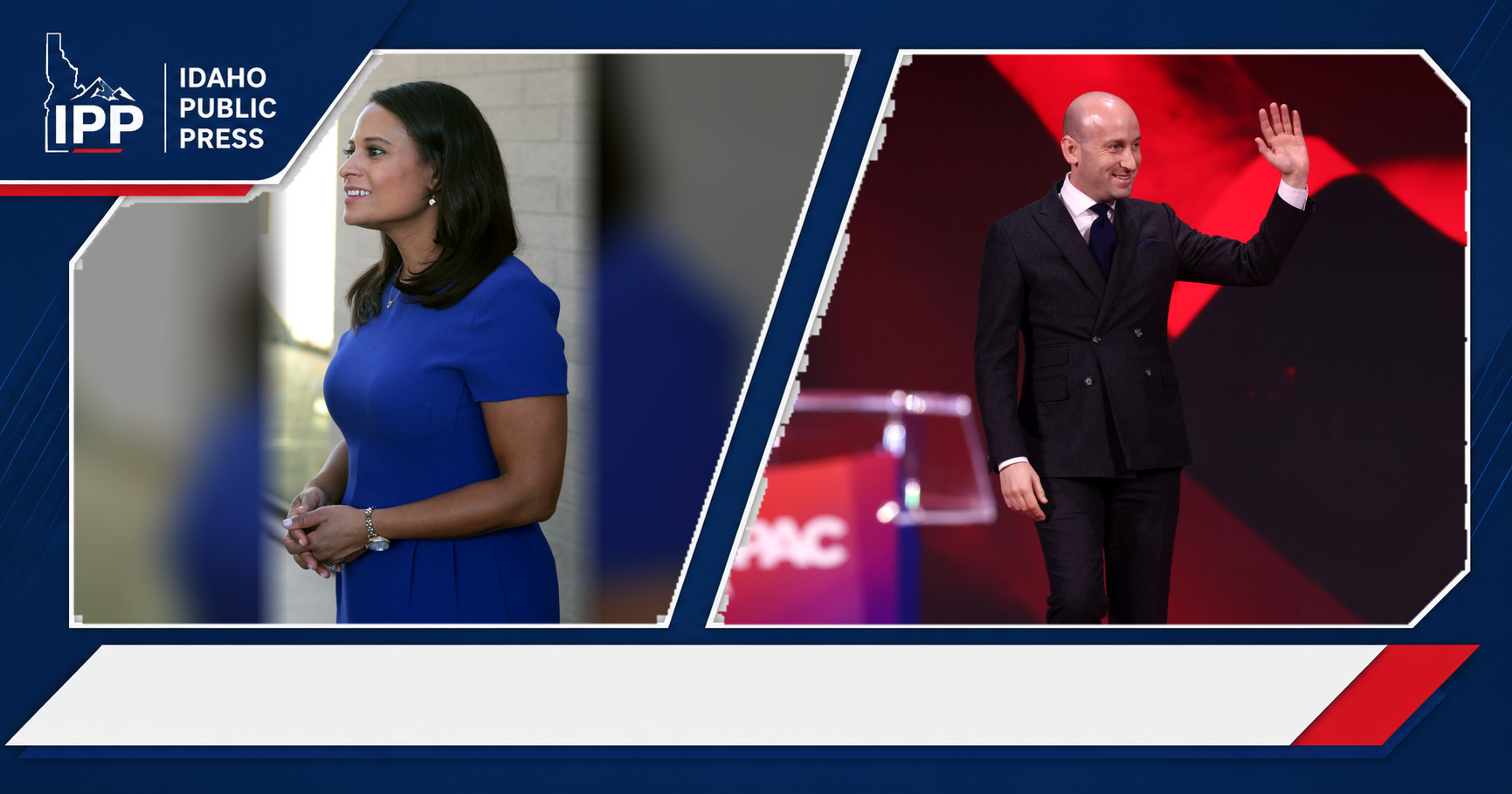
The dispute is less about one laugh than what viewers expect from journalists who cover powerful political figures. Defenders say access requires civility; critics say the optics matter.
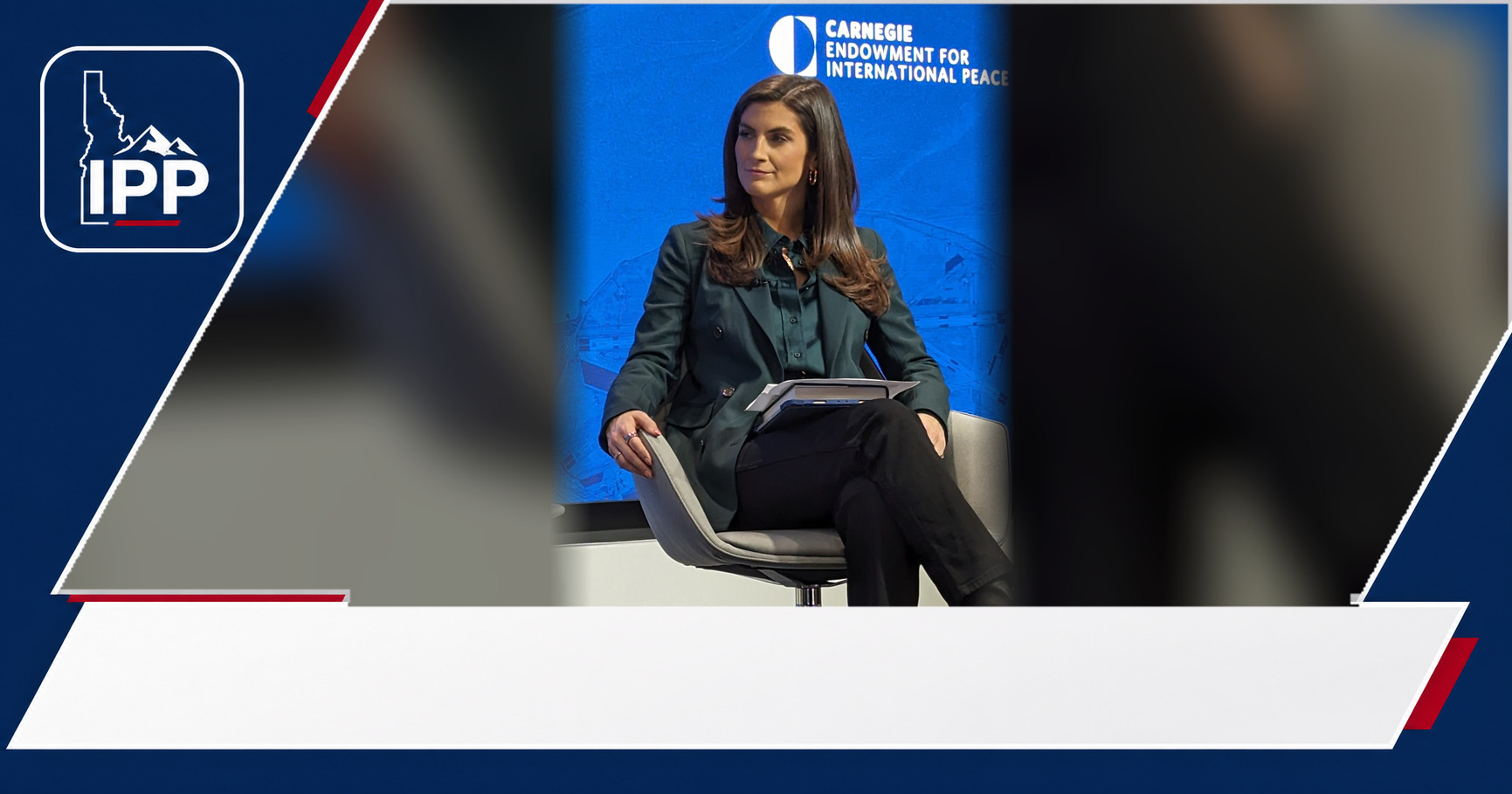
Kristen Welker was seen joking with Stephen Miller at the White House Correspondents’ Dinner in Washington, D.C., on Friday this week, and NBC fans reacted with backlash after a clip of the NBC journalist and Meet the Press host chatting and laughing with the White House deputy chief of staff spread online.
This article explains why the interaction drew criticism: for some viewers, a friendly moment with Miller looked too cozy at an event already criticized for blurring the line between the press and the political power it covers.
A clip became a test
The Irish Star reported that Welker sparked backlash after she was filmed in conversation with Miller during the rescheduled White House Correspondents’ Association dinner. The report described the moment as Welker laughing with the Trump adviser, with social media users quickly turning the clip into an argument over credibility, access and journalistic distance.
The harshest reactions focused on the image, not a reported quote from the exchange. Some critics accused Welker of appearing too friendly with a senior White House figure. One commenter, quoted in the report, said she “should quit,” while another said they would not watch her show again.
That intensity is part of why the moment traveled. In a short clip, viewers often fill in the missing audio, context and intent themselves. A laugh can read as basic social politeness to one person and professional compromise to another.
Why Miller changes the optics
Stephen Miller is not just any dinner guest in this debate. He is a senior Trump White House official and a polarizing figure for many viewers, especially those who associate him with the administration’s hardest-edged political agenda.
That is why critics treated the encounter as more than ordinary small talk. The anger quoted by the Irish Star framed Miller as someone a network journalist should keep at arm’s length in public, even at a social event built around politicians, media figures and Washington insiders sitting in the same room.
One quoted critic called the scene “yucking it up” with someone they viewed as hostile to basic rights. Another accused Welker of being too close to “the regime.” Those comments are opinion, not evidence of Welker’s views, but they show the emotional charge behind the backlash.
For viewers who already distrust elite Washington events, the dinner can look like proof that conflict on camera gives way to chumminess off camera. That perception is the story’s real fuel.
Defenders saw normal reporting
Welker also had defenders. Some argued that a brief conversation at a formal dinner does not prove approval, friendship or political alignment. One person quoted in the Irish Star report asked where the laughing was and said the clip showed only a conversation.
Another defense was more practical: political journalists regularly speak with people they cover, including people their audiences dislike. Access journalism depends on sources, and sources are often cultivated in rooms where public performance and private conversation overlap.
That does not end the argument. It sharpens it. A reporter can be civil without being captured, but audiences often cannot see the difference from a short video. The public sees the image; the journalist may see the job.
The most generous reading is that Welker was navigating a professional room where not engaging with officials would be unusual. The least generous reading is that Washington media culture makes powerful people too comfortable.
The WHCD problem returns
The White House Correspondents’ Dinner has long carried that tension. It is part fundraiser, part industry ritual, part celebrity spectacle and part political theater. The same journalists who press officials for answers can end up sharing tables, jokes and photo lines with them hours later.
That makes the dinner unusually vulnerable to viral interpretation. A moment that might seem mundane inside the room can look compromising outside it, especially when clipped without full context.
The Irish Star described this year’s dinner as rescheduled from April after a security incident at the venue. But the postponement is not what made Welker’s exchange trend. The attention came from a familiar question: how close is too close when journalists socialize with the people they are supposed to scrutinize?
For NBC viewers, that question lands on Welker because she is not an anonymous attendee. She is the moderator of Meet the Press, one of the most visible political interview platforms in American television.
Welker’s role raises stakes
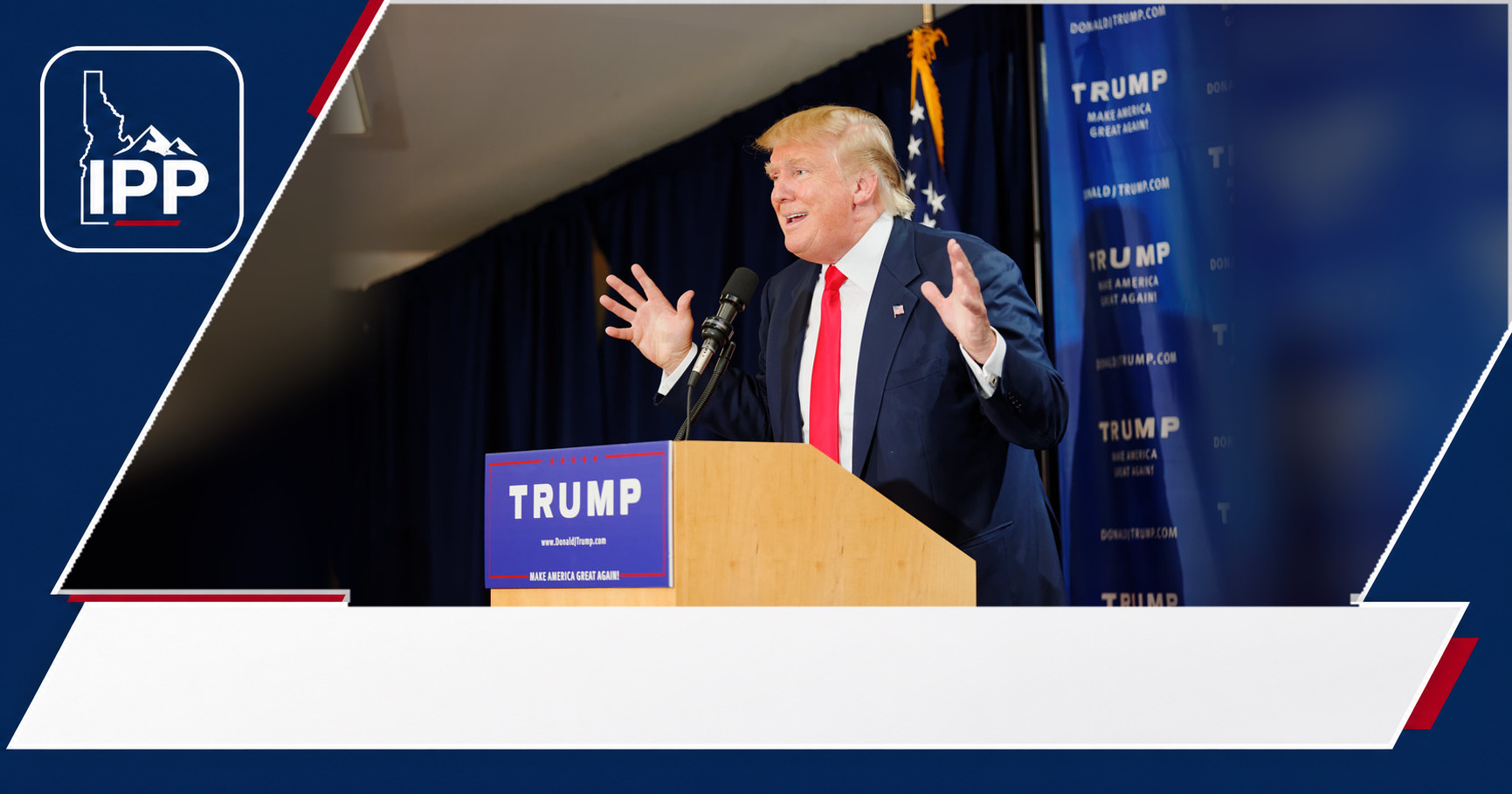
Welker’s public image is tied to tough political interviews, including with Trump. The Irish Star noted that a recent Meet the Press interview with Trump ended abruptly after a tense exchange over his claims about elections being “rigged.” According to the report, Trump accused Welker and NBC News of being “crooked” before ending the interview.
That context cuts both ways. Supporters can point to such confrontations as evidence that a dinner conversation does not define her journalism. Critics can argue that high-profile accountability on air is undermined if the off-camera social scene appears too friendly.
Neither argument can be fully settled by one clip. The video, as described, does not establish what Welker said, what Miller said or whether the laughter related to politics at all. It does show how quickly trust can become fragile when audiences believe media figures are too comfortable around power.
NBC had not been quoted in the extracted report offering a response to the criticism. Welker’s own explanation, if she gives one, would matter because the current debate is being driven largely by viewer interpretation.
The takeaway is about trust
The backlash over Kristen Welker and Stephen Miller is not really about whether journalists are allowed to be polite. They are. It is about whether viewers believe politeness in elite political spaces turns into softness when the cameras are on.
That is a hard problem for every major newsroom. Refusing to speak socially with officials can limit reporting. Looking too friendly can damage public confidence. The balance is especially difficult when the official is polarizing and the journalist is a household name.
For Welker, the immediate issue is a viral optics fight. For NBC, it is another reminder that audiences judge political journalism not only by questions asked on air, but by the informal scenes that surface afterward.
The unresolved question is whether this clip fades as a social-media flare-up or becomes part of a larger critique of Washington media culture. Either way, the reaction shows how little room high-profile political journalists now have for moments that can be read two ways.


Leave a Reply