
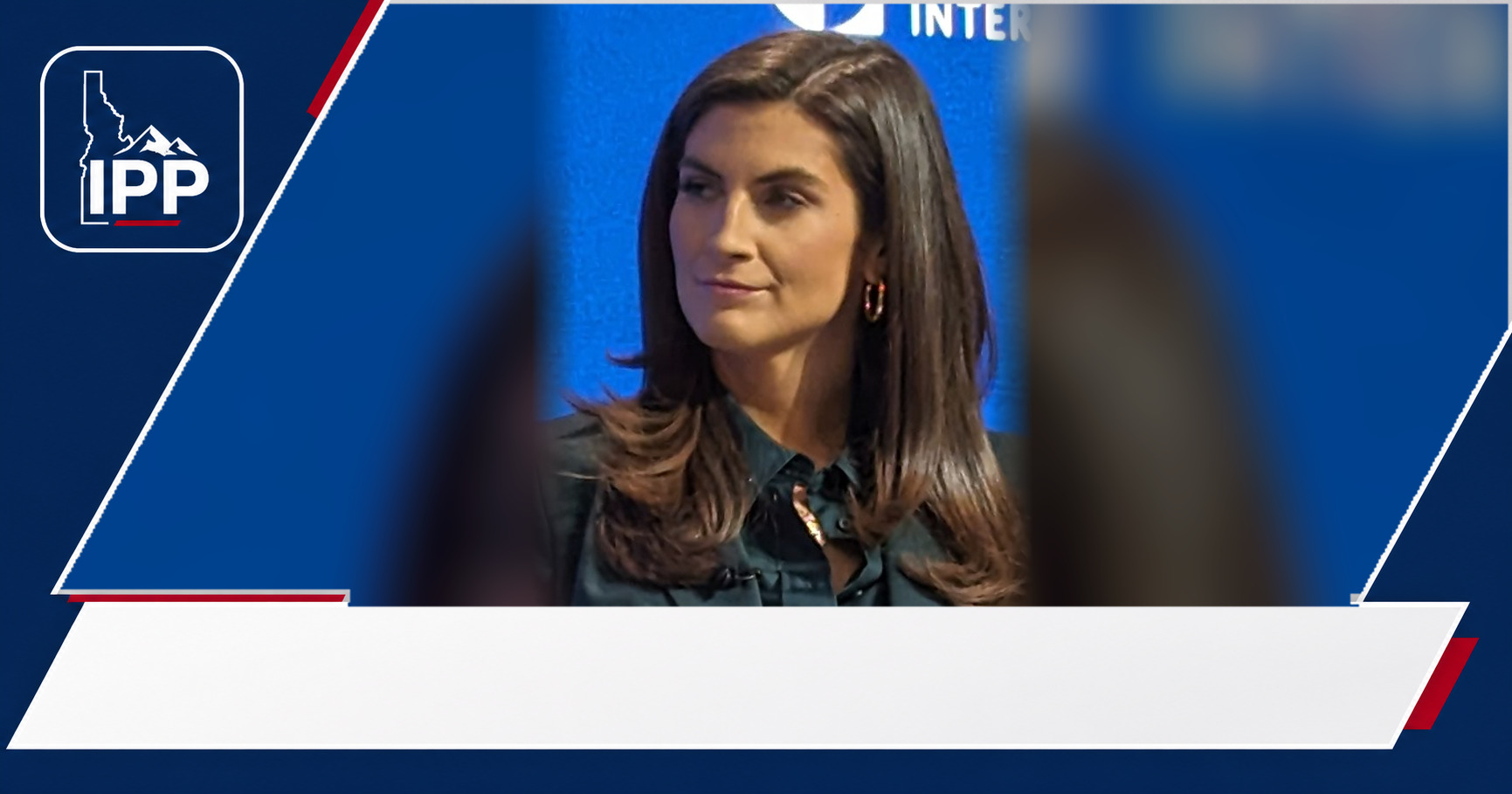
The exchange was not just another clash between Trump and CNN. It put a familiar question back in focus: when does criticism of the press become a personal attack meant to discredit the person asking the question?
Kaitlan Collins responds to Donald Trump’s attack on her after Trump singled her out in an attack during an Oval Office press exchange, and the article explains what Trump said about Collins: he called CNN “crooked as hell,” described her as a “corrupt reporter,” said she “never smiles,” and claimed he saw “hatred in her eyes.”
Collins hits back in a moment that matters because this was not a random social-media jab. It happened in the White House, while reporters were doing their jobs, and it quickly drew public defenses from CNN’s Anderson Cooper and former Trump spokesperson Sarah Matthews.
The remark that set it off
According to reporting from The Hill, Trump was taking questions from reporters in the Oval Office on Wednesday when he veered from a question about the now-defunct “anti-weaponization” fund into a familiar target: CNN.
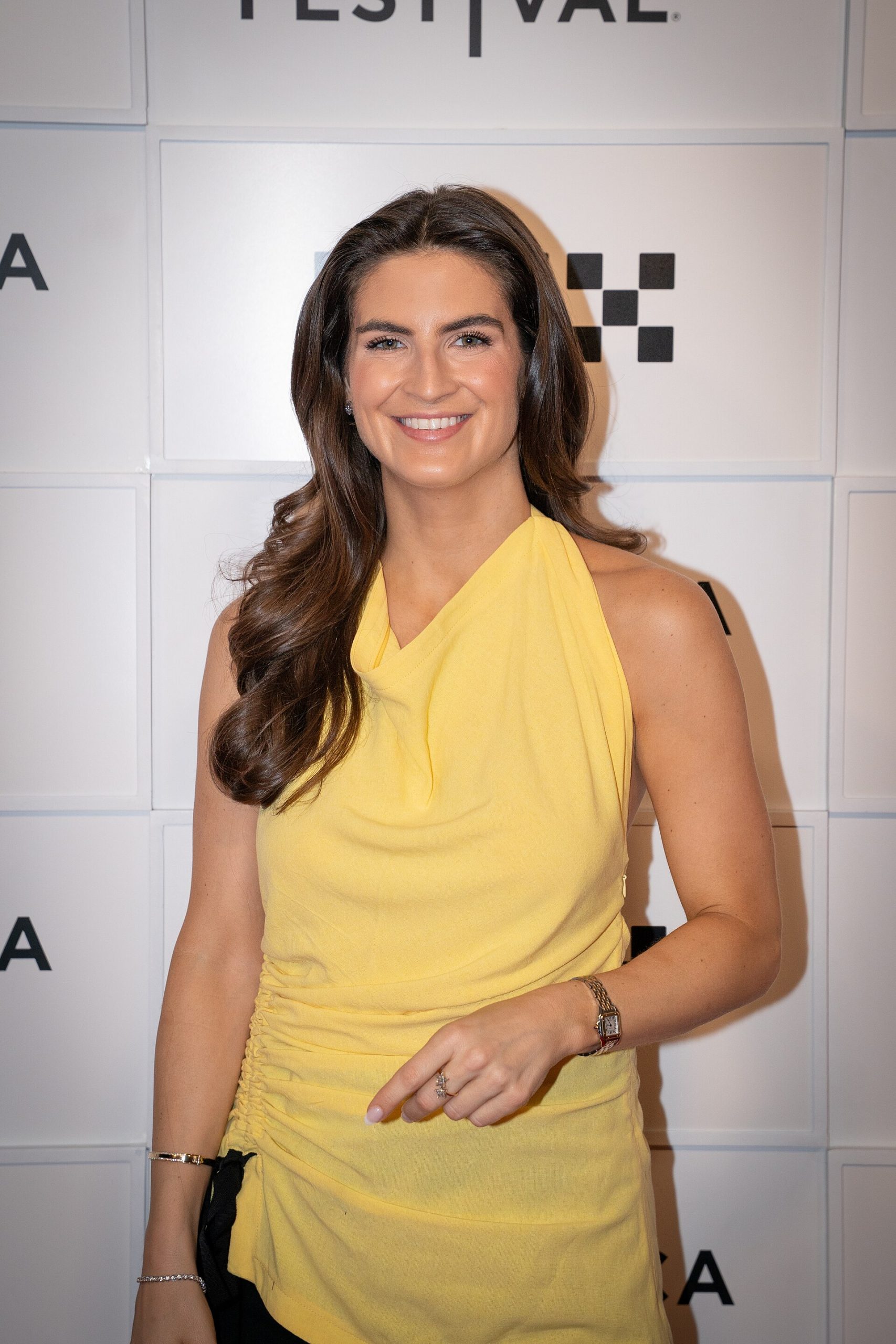
He described the network as “crooked as hell” and “a very corrupt organization,” then turned his attention to Collins, CNN’s chief White House correspondent, who was standing among other journalists in the room.
“But with a corrupt reporter standing right there, never smiles,” Trump said, according to The Hill. “You never see a young, beautiful woman who never smiles. I never see a smile on her face. I see her standing there with hatred in her eyes.”
The line was framed by critics as more than routine media criticism. It mixed a complaint about CNN with a comment on Collins’s appearance and demeanor, a combination that is especially loaded when aimed at a woman reporter in a professional setting.
Why Collins was singled out
Collins has become one of the most visible reporters covering Trump, first during his earlier White House years and later through his return to power. That visibility has made her a frequent target when Trump wants to criticize CNN in front of cameras.
The Hill noted that Trump has gone after Collins before, including earlier comments about her not smiling. That pattern is part of why the latest exchange drew such sharp reaction from people both inside and outside CNN.
The substance of the press exchange also matters. Collins was not on a red carpet or entertainment set. She was in a formal reporting environment, where journalists typically stand unsmiling while listening, recording and waiting for a chance to ask questions.
That is the point Cooper later emphasized: Collins was surrounded by male journalists who also were not smiling, yet Trump’s criticism landed on her.
CNN’s on-air defense was pointed
Anderson Cooper defended Collins on CNN after the remarks, arguing that Trump’s comments crossed a line by focusing on her physical appearance and telling her, in effect, how to look while working.
“That’s the president of the United States, a nearly 80-year-old man who has no problem commenting on her physical appearance and telling her she needs to smile,” Cooper said, according to The Hill.
Cooper added, “That doesn’t happen to men. No one’s ever said that to me in an office setting.”
He also pointed out the visual context of the room: Collins, he said, was “standing around with a bunch of nonsmiling men” when Trump singled her out. That detail undercuts the idea that the remark was simply about a reporter’s facial expression. Critics saw it as selective and gendered.
A former Trump aide called it out
The criticism did not come only from CNN. Sarah Matthews, a former Trump spokesperson, also rebuked the remarks during an appearance on “CNN NewsNight,” according to The Hill and Mediaite’s highlighted comments.
Matthews praised Collins as “a very, very good reporter” and said Trump targets her because of how effective she is in the room. “She’s the best at what she does, and I think that’s why you see Trump go after her more ferociously than any other reporter in that room,” Matthews said.
Matthews was even more direct about the smile comment. “It is disgusting to watch him tell a woman that she needs to smile while doing her job,” she said. She added that Collins smiles plenty in other settings, but hard questions do not require a pleasant expression.
Her critique matters because it came from someone who once spoke for Trump. That does not make her view neutral, but it does give the pushback a different weight than a standard CNN-versus-Trump exchange.
The bigger fight over press treatment
Trump’s supporters often argue that his attacks on major media outlets are political counterpunching. CNN has been one of his longest-running foils, and he frequently frames critical coverage as dishonest or hostile.
There is a legitimate distinction between criticizing a news organization’s coverage and personally attacking a reporter’s looks, tone or facial expression. This controversy sits right on that line, and for Trump’s critics, it crossed it.
For women in political media, “you should smile more” is not a neutral workplace note. It is a familiar phrase that can suggest a woman’s presentation is being judged before her work is. That is why Cooper and Matthews framed the remark as gendered, not merely rude.
The episode also shows how quickly a press-room insult can become a broader media story. A president’s comment in front of cameras can shape the environment in which reporters operate, especially when the target is someone regularly responsible for questioning him.
What remains unanswered
The White House had not provided a public comment in The Hill’s report, which said it reached out for response. Without that, it is unclear whether Trump’s team views the remark as a joke, a criticism of CNN, or something they do not plan to address.
It is also unclear whether the exchange will change anything about Collins’s access or approach. In practical terms, the White House press corps will keep asking questions, and Trump will likely keep using high-profile exchanges to attack outlets he dislikes.
The immediate takeaway is simpler: Collins was singled out while working, Trump’s words put her appearance and demeanor at the center of the exchange, and the pushback from CNN and a former Trump aide turned the moment into a larger argument about how presidents treat reporters.
That argument is not going away. The more personal the attacks become, the more the story shifts from media bias to whether the person asking the question is being targeted to weaken the question itself.


Leave a Reply