
The backlash was less about the Vances’ new baby than about how a private family decision became part of a public pro-family talking point.
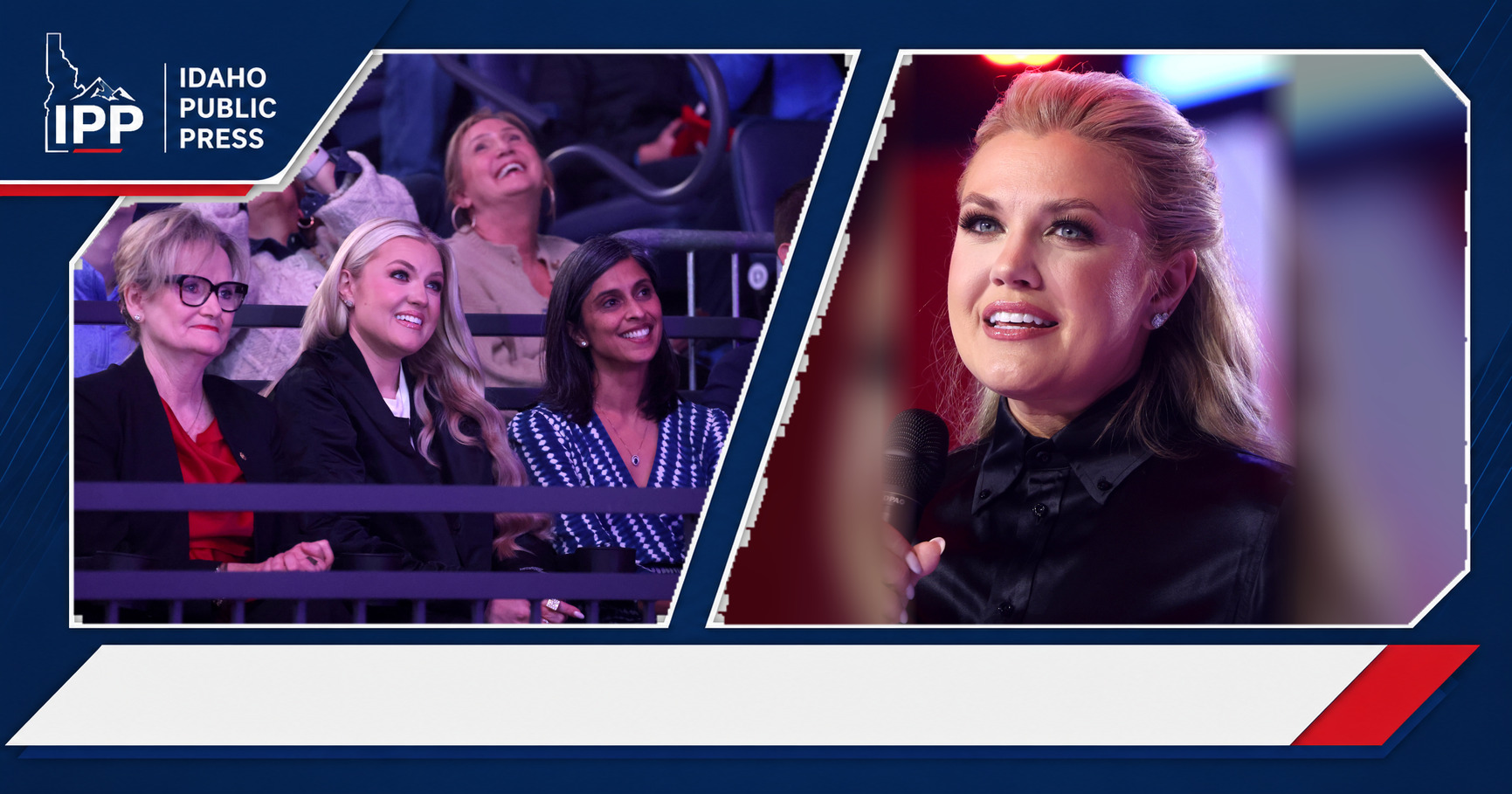
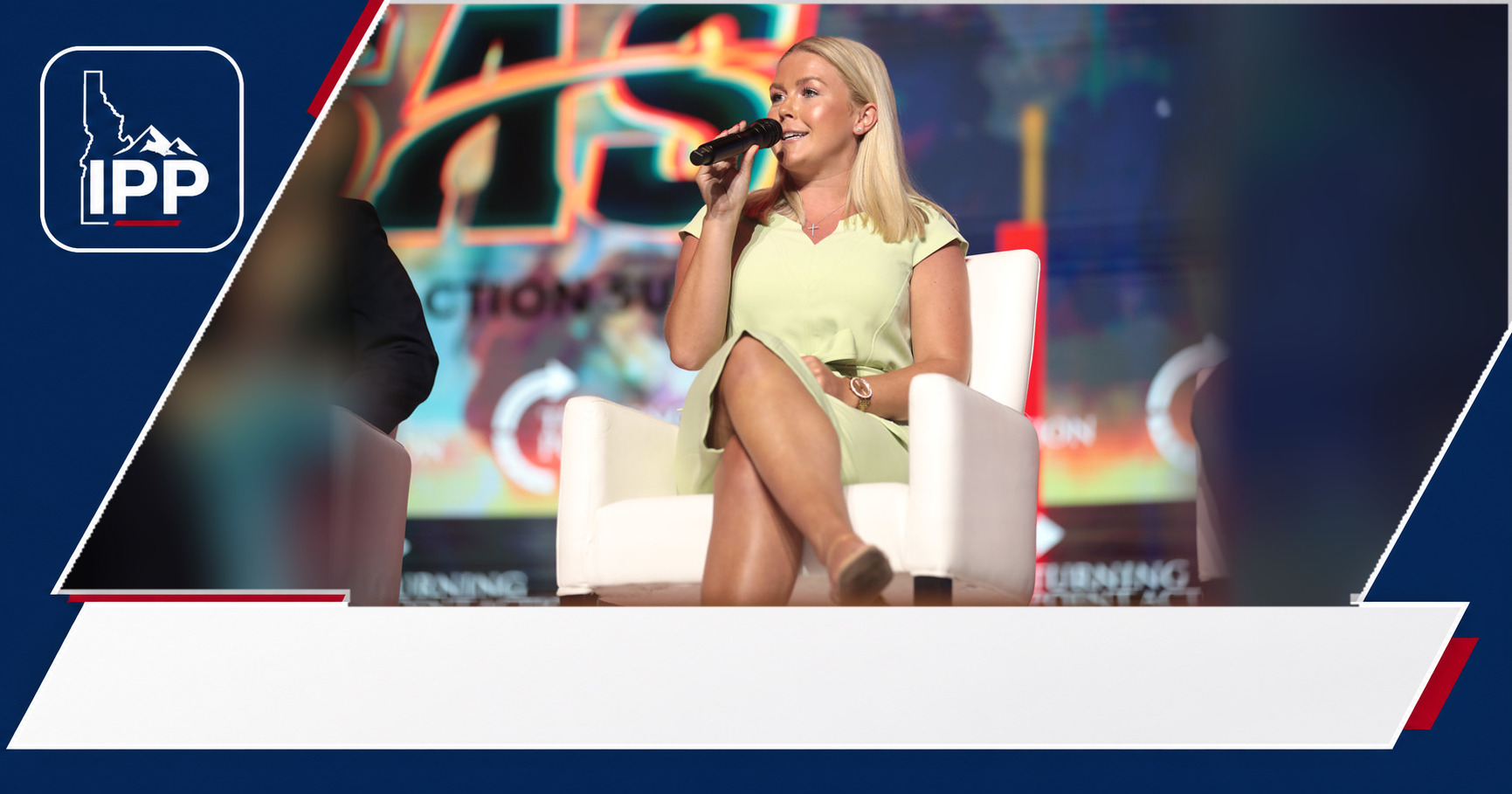
Erika Kirk made comments about Usha Vance’s fourth child, as recounted on Fox News, and the remarks sparked backlash after Fox & Friends framed Kirk as an influence on Usha and J.D. Vance’s decision to grow their family. Fox News viewers and conservatives described Kirk’s cringe comments as intrusive because the subject was not policy but family planning.
The July 20 broadcast followed the July 19 arrival of Alec Neel Vance, the fourth child of Vice President J.D. Vance and second lady Usha Vance. What began as a birth announcement quickly became a debate over friendship, influence and whether “family values” messaging can cross a line.
How the remark surfaced
According to the Irish Star’s account of the segment, Fox & Friends host Ainsley Earhardt discussed the birth of the Vances’ baby boy and said Erika Kirk had influenced Usha Vance.
Earhardt said Kirk had told Usha she wished she had had more children with Charlie Kirk, and that the sentiment helped lead the Vances to become “a family of six.” Earhardt also described Usha and Erika as “very, very close” and said Charlie and Erika Kirk had often talked about expanding families.
That framing changed the temperature of the story. A new baby is usually easy public-relations territory: congratulations, a healthy update, a thank-you to doctors. This time, the broadcast attached the birth to a wider conservative conversation about family values and suggested that a friend’s regret had shaped a deeply personal choice.
That is why the reaction was sharper than a standard social-media pile-on. Critics were not only reacting to Kirk. They were reacting to the idea that someone outside a marriage might be publicly credited with influencing a couple’s reproductive decisions.
Why “cringe” caught on
The word “cringe” stuck because it captured the awkwardness of hearing family planning discussed like a public campaign message. One viewer quoted by the Irish Star called it “so cringe” and a “red flag.” Another objected that it was not Kirk’s child and not her business.
The criticism cut across two discomforts at once. First, viewers heard the comments as an overstep into Usha Vance’s private life. Second, they heard the Fox News framing as a political gloss on childbirth, with the Vances’ growing household held up as evidence of a White House “championing family values.”
There was also support. The same report noted that some people simply congratulated the Vances and wished blessings on their family. For those supporters, a close friend encouraging another family to welcome more children may sound warm, not invasive.
The divide is the story. In conservative circles, large families are often celebrated as a cultural good. But even among people sympathetic to that view, public speculation about who influenced a woman’s pregnancy decision can feel uncomfortably personal.
The Vances’ announcement was simple
J.D. and Usha Vance announced Alec Neel Vance’s birth in a joint social media post, saying their baby boy had been born that morning and that Usha and the newborn were “happy and healthy.” They also said their older children were overjoyed to meet their little brother.
The couple shares three other children: sons Ewan and Vivek and daughter Mirabel. Their fourth child’s arrival made them a family of six, a detail that became central to the Fox segment and the reaction that followed.
The Vances also thanked the medical teams involved in the pregnancy and delivery, including military doctors and staff at Walter Reed Medical Center and the White House Medical Unit. The couple had first revealed the pregnancy on Jan. 20, according to the Irish Star.
Nothing in the Vances’ own birth announcement, as reported, suggested controversy. The backlash came from the way the family news was discussed afterward — and from the public credit given to Kirk’s influence.
Private advice, public platform
Close friends talk about children, regret, marriage and the size of their families. There is nothing unusual about private conversations shaping how people think about parenthood. The problem, for critics, was that the private advice was broadcast as a political-adjacent anecdote.
That distinction matters. If Usha Vance found comfort or perspective in a friend’s experience, that is her business. But when a television host says another woman “really influenced” the second lady’s decision to have a fourth child, the wording can make Usha sound less like the central decision-maker in her own life.
That is especially sensitive because Usha Vance occupies an unusual public role. She is married to the vice president, but she is not an elected official. When her family life becomes content, the line between public interest and public intrusion gets blurry fast.
The same tension surrounds many political families. Supporters want visible examples of the values they champion. Critics worry that spouses and children become props in a cultural argument they did not choose to enter.
What remains unclear
The strongest claim in the controversy — that Kirk influenced the decision to have a fourth child — appears to come from the way Earhardt described the relationship and conversation on Fox News. The available reporting does not establish the full private context or how Usha and J.D. Vance themselves would characterize Kirk’s role.
It is also not clear whether Erika Kirk intended her comments to be seen as advice, encouragement or simply a personal reflection about her own family. A regret shared between friends can sound very different once it is compressed into a cable-news anecdote.
As of the available reporting, the Vances’ confirmed public message was focused on the birth, the health of mother and baby, their children’s excitement and gratitude to medical staff. There was no reported response from Usha Vance, J.D. Vance or Erika Kirk directly addressing the backlash.
That leaves the controversy built around perception: how viewers interpreted the comments, how Fox framed them and how quickly a celebratory family update became another flashpoint in the politics of private life.
The real reason it spread
The phrase “Kirk’s cringe comments” spread because it was an easy shorthand for a broader unease. Many people are comfortable celebrating a birth. Fewer are comfortable hearing a woman’s family planning described as the product of someone else’s influence, especially on national television.
For supporters, the episode may look like a harmless celebration of motherhood, friendship and big families. For critics, it sounded like pressure dressed up as praise.
Both readings help explain why the story traveled. It sits at the intersection of celebrity culture, political identity, cable-news intimacy and the public’s appetite for judging the boundaries around powerful families.
The cleanest takeaway is also the simplest: Alec Neel Vance’s birth was the news. The backlash was about the packaging — and about how quickly even a newborn’s arrival can be pulled into a public argument over values, influence and privacy.






Leave a Reply