
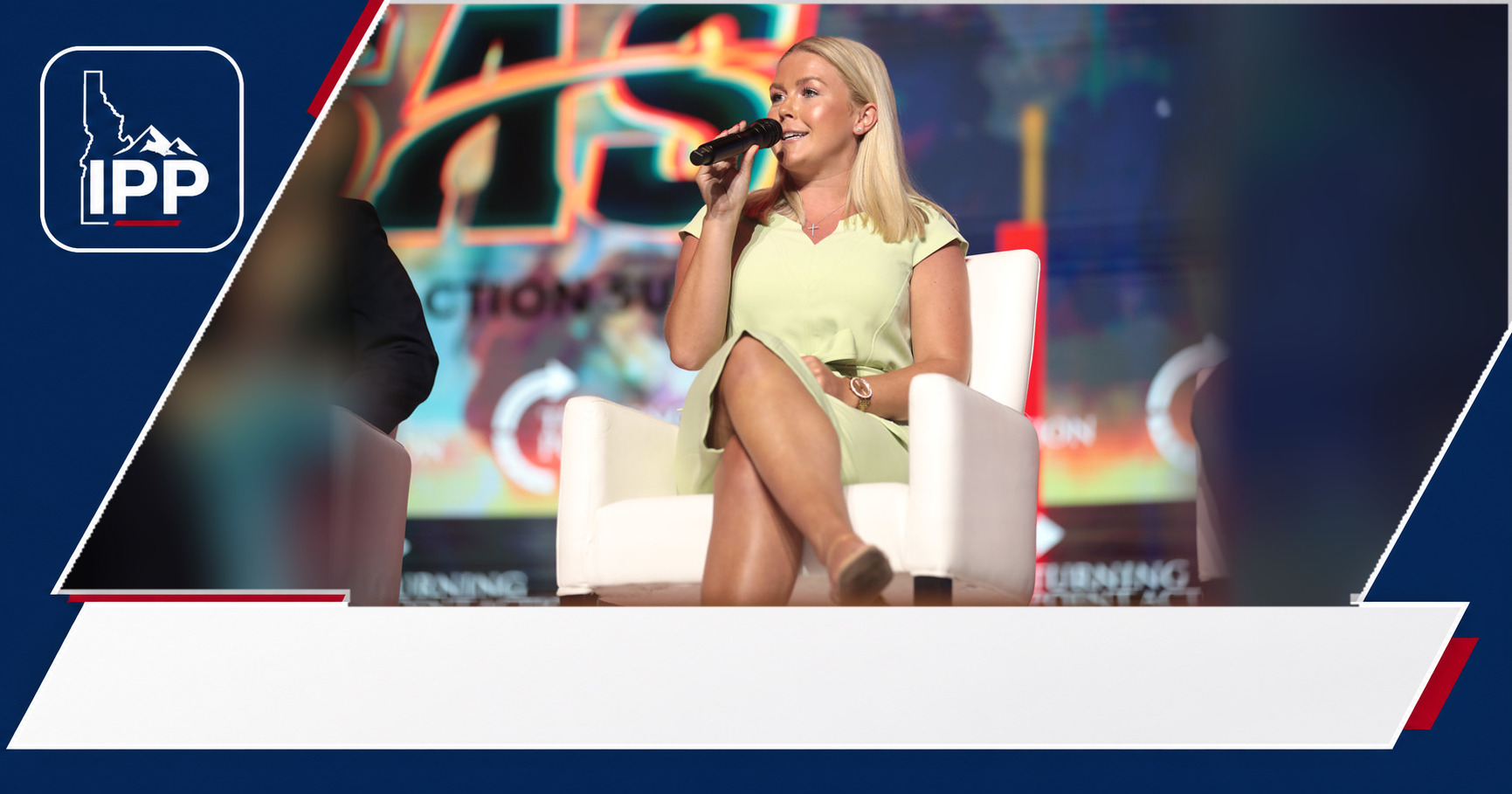
The exchange shows why the Epstein files dispute has become hard for the White House to dismiss: its answers lean on victim privacy, DOJ findings and a promise of transparency that critics say remains unresolved.
Karoline Leavitt responded to an analyst’s Epstein-related remarks only indirectly: the White House press secretary’s pointed answer to reporters is what the analyst singled out. The article explains the Epstein reveal behind Leavitt’s snippy putdown: she said the Justice Department found no client list and no evidence Jeffrey Epstein was murdered, while also saying the files include child sexual abuse material that officials argue cannot simply be released.
That matters now because the White House is trying to close down a transparency fight that has angered some of President Donald Trump’s own supporters. The exchange was a pointed White House response, but it also exposed the tension in the administration’s position: it says it reviewed the files exhaustively, yet critics still want to know why more cannot be released with redactions.
The answer that drew attention
The flashpoint came during a July 17, 2025, briefing in the James S. Brady Press Briefing Room, according to the transcript published by the American Presidency Project. A reporter asked Leavitt about Trump’s campaign-era posture on releasing Epstein-related files and asked, in plain terms, what happened to that promise.

Leavitt’s answer leaned on the Justice Department and the attorney general. She said Trump had directed them to conduct an “exhaustive review” of all files related to Epstein, and that they spent months reviewing the material.
She then summarized the administration’s position: the review found “no further evidence,” “no client list” and “no evidence that Jeffrey Epstein was murdered.” Those points mirror the core claims of a Justice Department memo that Politico reported had already inflamed parts of the MAGA movement.
The sharper moment came when another reporter pressed: if there is nothing there, why not release the files? Leavitt replied that the attorney general had said there was material involving child sexual abuse in the files and called it “despicable” that reporters would want to expose victims of a heinous crime.
What the Epstein reveal was
The reveal was not that Epstein’s crimes involved minors; that has long been public. Epstein pleaded guilty in 2008 to soliciting a minor for prostitution and was facing federal sex-trafficking charges when he died by suicide in jail in 2019, as Politico noted in its coverage of the administration’s Epstein headache.
The reveal, or at least the point analysts seized on, was Leavitt’s framing of why the files could not be released more fully. Her response suggested the administration’s strongest public rationale is not simply that there is nothing meaningful left to disclose, but that the underlying files contain victim-sensitive and illegal material that cannot be put into public circulation.
That distinction matters. If the issue is only privacy and illegal material, critics can argue that redactions are possible. In the briefing transcript, someone in the room immediately made that point, saying there are ways to redact.
Leavitt did not use that moment to lay out a detailed redaction process, a release schedule or a category-by-category explanation of what could and could not be disclosed. She instead emphasized the attorney general’s position and accused the press of seeking exposure of victims.
Why the White House is squeezed
The Epstein issue is unusually awkward for the Trump White House because it is not driven only by Democratic criticism or mainstream media coverage. Politico reported that right-wing influencers and Trump supporters were furious over the Justice Department and FBI decision to withhold files after figures in Trump’s orbit had spent years feeding expectations of major revelations.
The administration’s answer now rests on a narrow set of claims: no client list, no evidence Epstein was murdered, no further evidence to justify the speculation, and sensitive victim material that cannot be publicly released. That may be legally and ethically significant, but it is politically unsatisfying to people who were told for years that more transparency was coming.
Leavitt tried to shift the frame during the briefing. She argued that Democrats had controlled the White House for four years and “didn’t do a dang thing” on transparency involving Epstein’s crimes. She also said Trump was the one who ordered the Justice Department review.
That argument gives the White House a partisan counterattack. It does not fully answer the transparency question from supporters who expected disclosure from Trump’s own administration.
The client list problem
The phrase “client list” has become a political trap. For years, it has been used online as shorthand for a supposedly hidden roster of powerful people tied to Epstein. The Justice Department memo, according to Politico, said there was no such list and ruled out foul play in Epstein’s death.
Leavitt repeated that position at the briefing. She also addressed a question about the attorney general’s earlier comment that Epstein’s “client list” was sitting on her desk. Leavitt said the attorney general had clarified that she was referring to the entirety of the paperwork related to Epstein’s crimes.
That clarification is important because it changes the meaning of the claim. A stack of investigative files is not the same thing as a verified client list. But the correction also helps explain why critics remain suspicious: public officials previously used language that sounded more definitive than the administration’s current position.
For readers trying to cut through the noise, this is the key distinction: the White House says there is no client list, but it also acknowledges there are Epstein files containing sensitive material. Those two things can both be true, yet the gap between them is where the political argument lives.
Victim privacy versus public trust
There is a serious reason not to dump investigative files into the public domain. Material involving minors and sexual abuse victims can cause new harm, and child sexual abuse material is not merely embarrassing or sensitive; it is illegal material that authorities have a duty to protect.
At the same time, the public trust problem is real. When officials say they want transparency but offer limited visibility into what was reviewed, what was withheld and why, they invite suspicion — especially after years of public promises and conspiracy-laden expectations.
A more complete explanation could include categories: what records exist, what has already been released, what is sealed by court order, what is withheld to protect victims, and what could be released in redacted form. Leavitt’s briefing answer did not provide that level of detail.
That is why the “snippy putdown” had staying power. The tone got attention, but the substance kept the story alive.
What remains unanswered
The White House has made clear that it considers the Justice Department review the authoritative answer. Leavitt said the attorney general would be willing to testify and discuss the matter further, and she insisted the administration had committed to transparency.
Still unresolved is whether the administration will release any additional redacted material, provide a public index of withheld files, or explain more precisely how much of the unreleased material is blocked by victim-protection concerns rather than investigative discretion.
The politics are also unsettled. Trump’s team wants to move past Epstein, but the issue has split parts of his base in a way ordinary opposition attacks have not. The more the White House dismisses the subject as a media fixation, the more frustrated transparency-minded supporters may become.
The clean takeaway is this: Leavitt’s pointed response answered one question but opened another. The administration says there is no client list and no murder evidence. The fight now is over whether that closes the Epstein files debate — or whether it makes a fuller accounting more necessary.





Leave a Reply