

The walkout was small, but the reaction spread because Tasjan’s song challenges who gets to claim love of country. His response turned a concert moment into a larger argument about politics, performance and fan expectations.
Aaron Lee Tasjan criticized fans after they walked out of his concert. Eight people walked out during a performance in Texas, at a Galveston show, while Tasjan played the politically charged song I Love America Better Than You, an incident he first addressed July 14. The song was politically charged. By July 24, 2026, USA Today had picked up the flare-up, and Tasjan was responding to criticism from people angry about the song’s politics on X and Instagram.
The number of concertgoers was small. The reaction was not. Tasjan’s dispute with fans landed because it sits in a much bigger argument inside country and roots music: whether patriotism means comfort, dissent, flag-waving or the right to criticize the country out loud.
The walkout centered on one song
Tasjan, a country-adjacent folk musician known to many listeners for Diamond Studded Shoes, said on July 14 that eight people left near the end of his performance of I Love America Better Than You. According to USA Today’s report, he said they were “clearly put off by the messages in the song.”
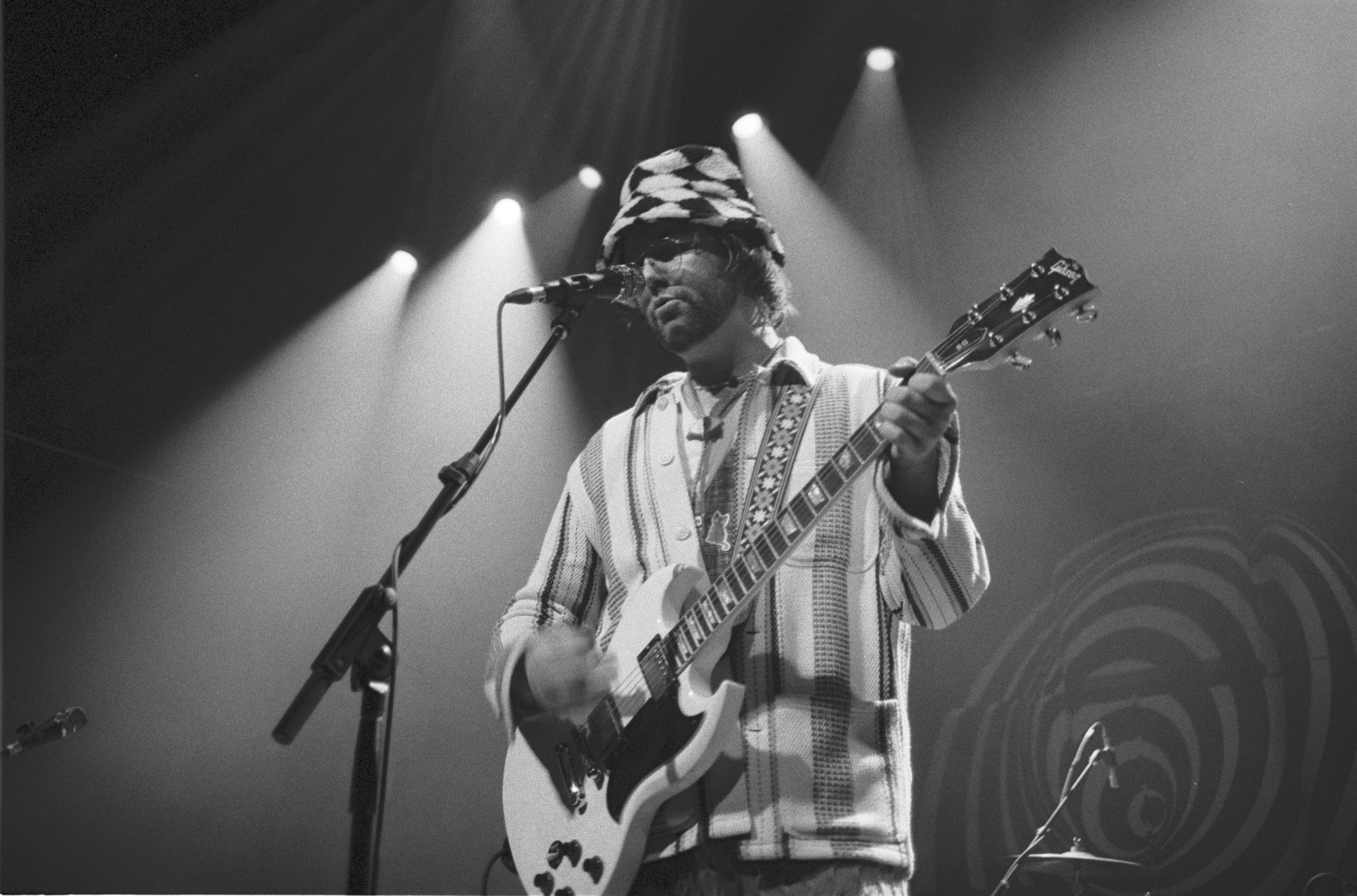
He did not frame the moment as a disaster. Tasjan said he felt no ill will toward the people who left and described his job as making work that affects listeners. He also wrote that the “time to remain comfortable is gone,” a line that helps explain why the episode kept traveling after the show ended.
That is the central tension here. A concert ticket can feel like a promise of entertainment, but a songwriter may see the stage as the point where entertainment, argument and confession meet.
Tasjan answered with sarcasm
When the story began circulating again, Tasjan leaned into the backlash rather than backing away from it. On X on July 23, he wrote that articles about people walking out of his Texas show had brought “some true characters” into his life.
Then came the sharper line: “People who love to play the role of patriotic American. Bless ’em.” The wording mattered because he did not simply defend the song. He challenged the image some critics were performing back at him.
He also responded to a now-removed post that reportedly told people to remember his name so they could avoid his music. Tasjan replied, “Good luck remembering it most people can’t even pronounce it.” On Instagram, he reposted the exchange with the caption, “People are so mad I wrote a song lolz.”
The tone was flippant, but the underlying message was plain: he was not apologizing for bringing politics into the room.
Why the lyrics hit a nerve
I Love America Better Than You is not subtle patriotic branding. USA Today described the 2024 song as taking aim at the wealth gap, gun culture and “Christian nation” rhetoric, while also invoking immigrants and queer trans feminists.
One quoted passage makes the provocation clear: “I love America better than you / Her Founding Mothers and her hotdogs, too / First Black president / Insurrectionists / I love America better than you.”
For listeners who share Tasjan’s politics, that may sound like a messy, affectionate argument with the country. For listeners who hear the title as an accusation, it can land as a personal insult before the song even reaches its details.
That is why a walkout by eight people became a story. The lyrics turn patriotism from a shared symbol into a contested claim. Tasjan is not just saying he loves America. He is saying some versions of public patriotism are too narrow, too performative or too unwilling to face the country’s contradictions.
Country’s uneasy political bargain
The fight also exposes a bargain country and roots audiences often negotiate without saying it out loud. Many fans welcome songs about family, work, war, faith, small towns and national pride. Those themes are political even when they are presented as personal.
The friction starts when an artist names the politics directly. A lyric about belonging can feel universal until it mentions immigrants. A song about freedom can feel safe until it criticizes gun culture. A line about faith can feel familiar until it pushes back on “Christian nation” rhetoric.
Tasjan’s music has long mixed cultural commentary with personal songwriting, and I Love America Better Than You comes from Stellar Evolution, an album USA Today described as openly political. In other words, this was not a random detour in an otherwise apolitical catalog.
Still, audiences are not required to like every song. Walking out is also a form of expression. The disagreement is not over whether fans can leave; it is over what the exit meant and whether critics then get to cast the artist as unpatriotic for writing the song in the first place.
A flare-up during album week
The timing gave the story extra oxygen. Tasjan released his latest album, Get Over It, Underdog, on July 17, just days after he first described the Texas walkout. USA Today noted that the newer album is somewhat less political than Stellar Evolution.
That contrast is useful. The public argument is about one pointed 2024 song, but it arrived as Tasjan was trying to move listeners into a new project. For a working musician, controversy can cut both ways: it can bring attention, but it can also flatten a broader body of work into one viral argument.
It also risks turning a songwriter into a symbol for people who may not have heard much beyond the quoted lines. That is common in online music fights, where the debate often travels faster than the song.
What remains unclear
The eight concertgoers who left have not become the center of the story in any detailed way. Based on the available reports, the public record is mainly Tasjan’s account of the walkout and his later responses to criticism.
That leaves some unanswered questions. Were the people who left longtime fans, casual attendees or people unfamiliar with his political material? Did they object to specific lyrics, the song’s title, the tone of the performance or simply the presence of politics at a show?
What is clear is that Tasjan treated the walkout as evidence that the song did what he believes songs can do: affect the listener, even uncomfortably. His critics treated that same discomfort as a reason to reject him.
The clean takeaway is not that every fan must stay for every song. It is that Tasjan’s Texas walkout became a reminder of how charged the word “America” remains in country and roots music — and how quickly a stage can become a battleground over who gets to define it.










Leave a Reply