
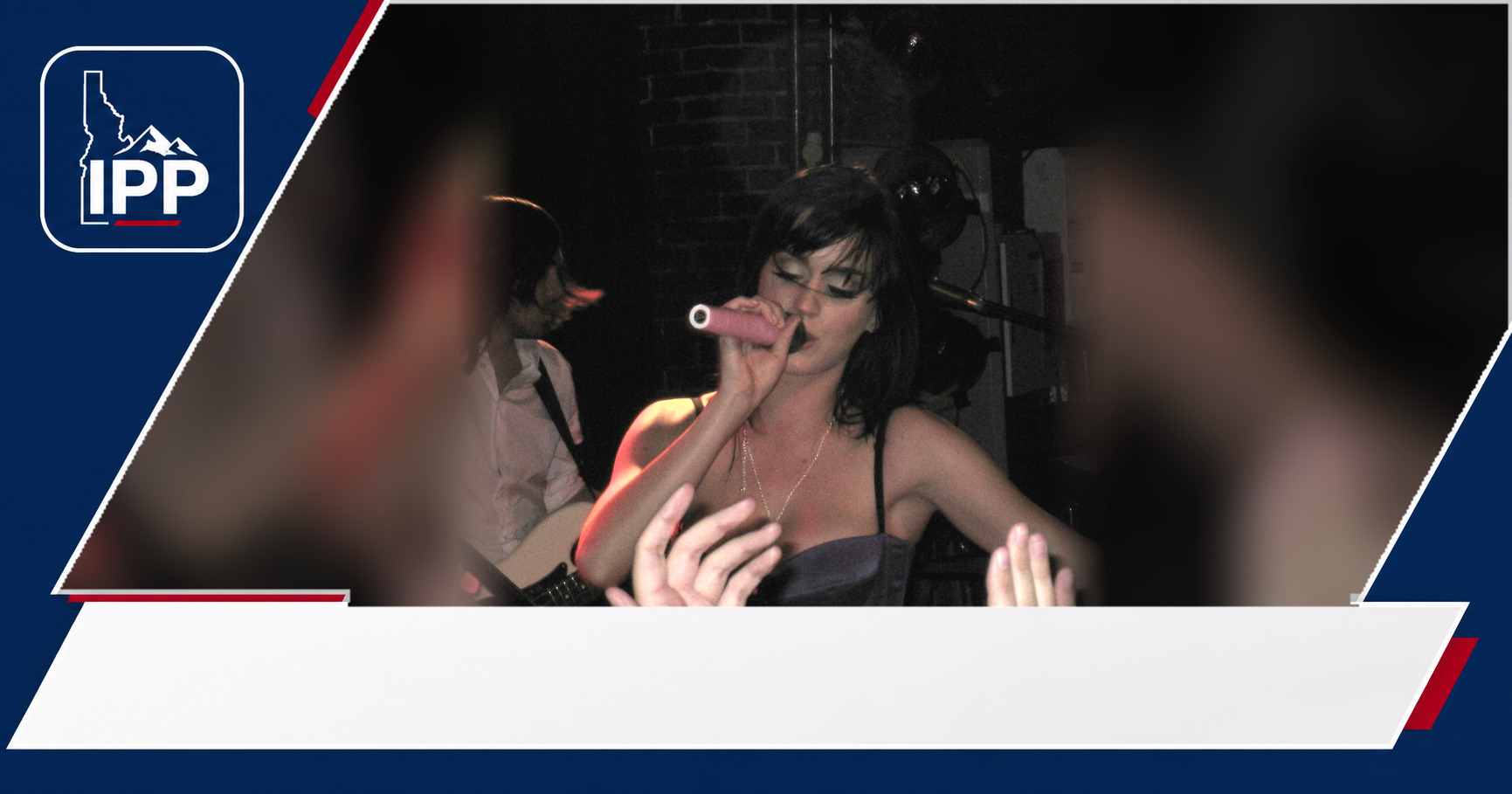
The dispute turns a pop anthem about resilience into a fight over political messaging, artist consent and the way official accounts use viral music. Perry says the song was never meant to soundtrack violence.
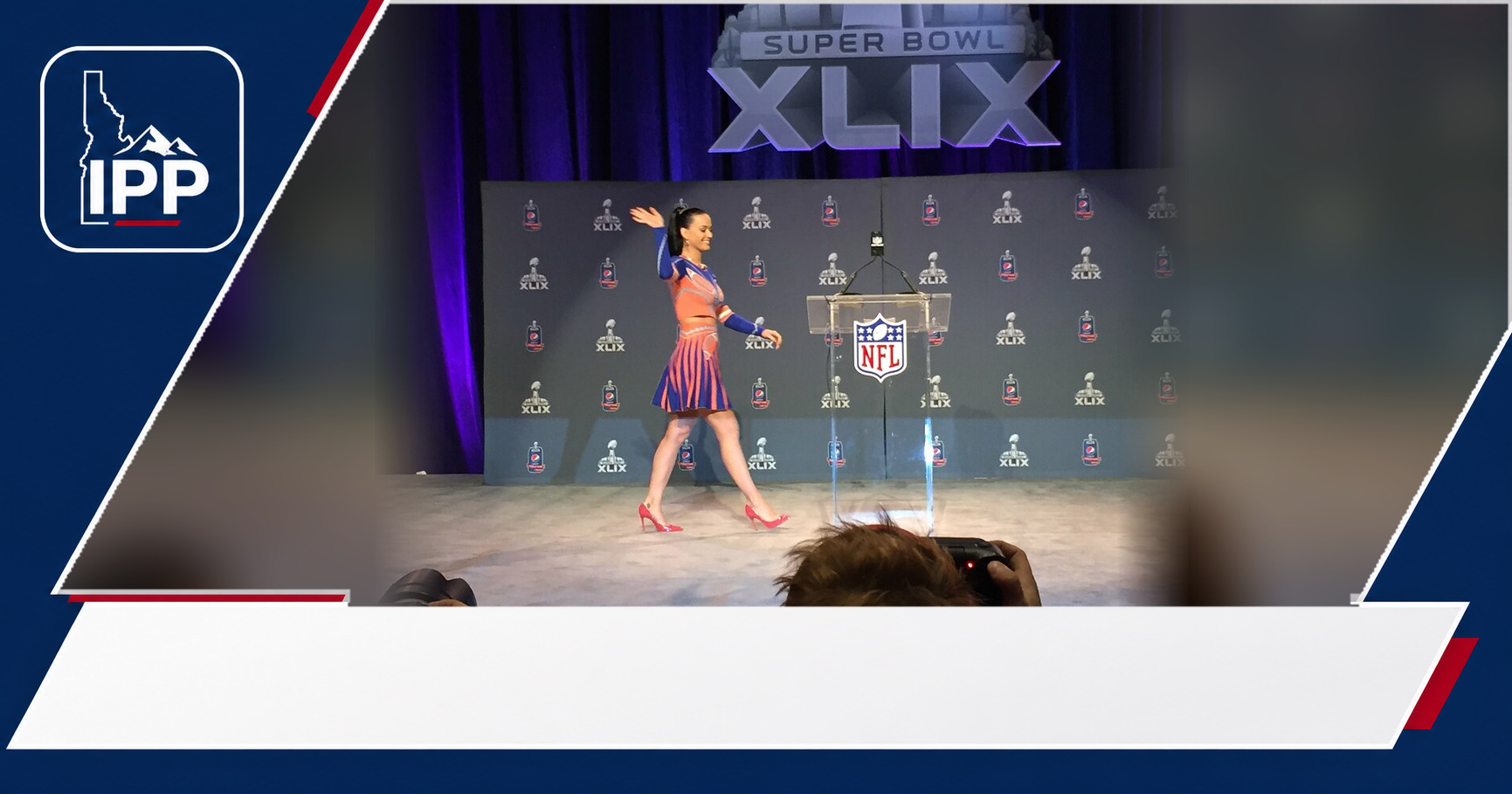
Katy Perry objected to the White House using her song “Firework” after the White House’s TikTok account posted a military video about strikes in Iran. Perry said she was “deeply appalled and angry,” arguing that the 2010 hit was used as a backing track for footage of destruction without her approval.
The clip reportedly paired the song’s explosive “boom, boom, boom” lyric with missile-strike imagery and a caption warning Iran. The backlash matters now because official political accounts increasingly use pop songs as shorthand for power, mood and virality — whether or not the artists want that association.
Perry says the use crossed a line
Perry’s objection was not a vague celebrity complaint about politics. In a statement posted to X, she said she “did not approve this,” was “not asked,” and “absolutely” did not condone the White House TikTok use of “Firework” with footage of military strikes, according to The Washington Times.
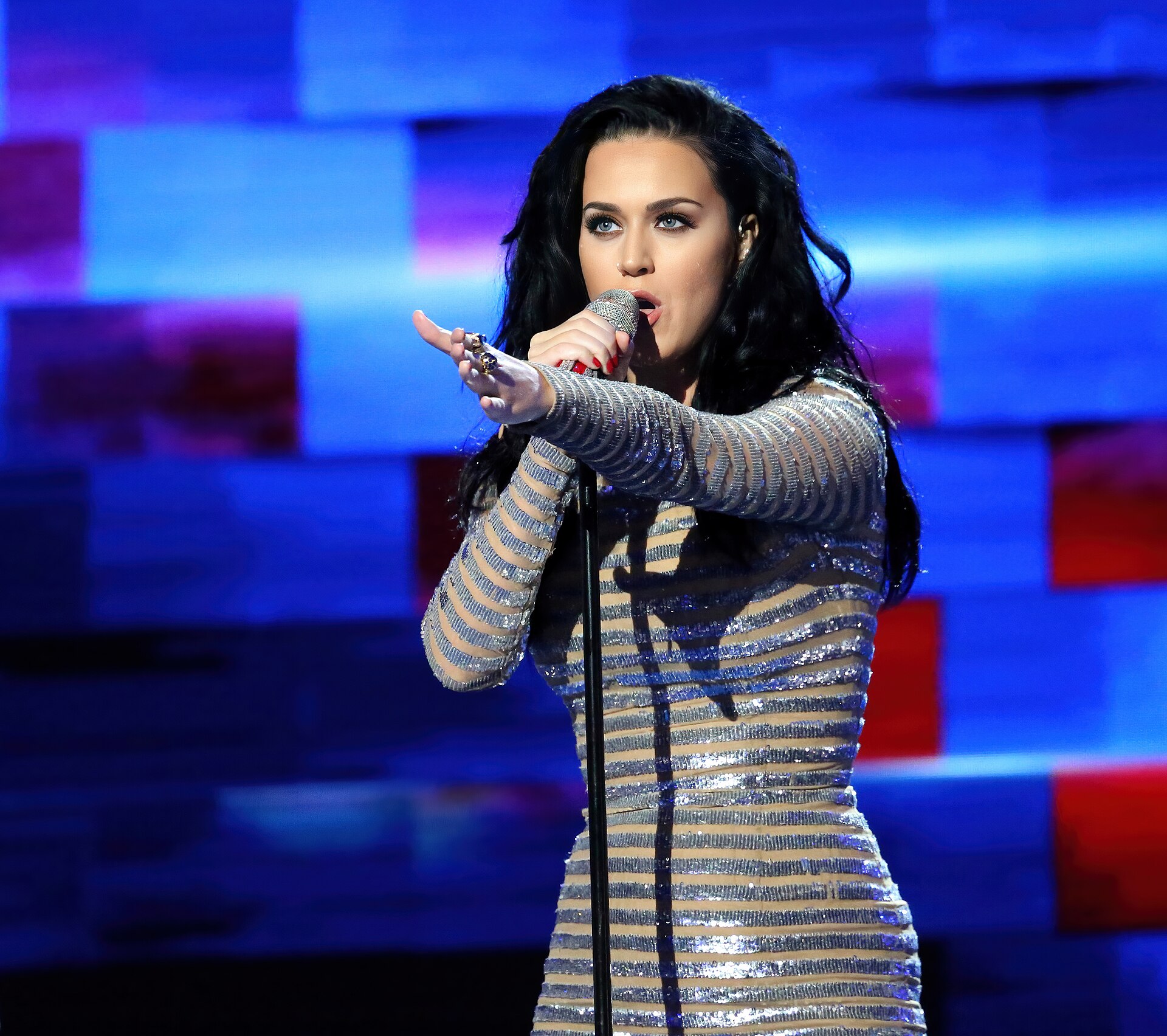
Her core argument was about meaning. “Firework” has long been marketed and received as an anthem of self-worth, recovery and personal resilience. Perry said she wrote it as a song of “hope, healing, and inner strength” for people facing difficult moments.
That is why the military framing triggered such a strong response. Perry said seeing the song “weaponized to soundtrack destruction and violence” violated what it stands for, adding that her music is meant to bring people together, not celebrate warfare.
The White House video, according to the same report, came from the official White House TikTok account and was posted Thursday. Perry responded Saturday, turning a short-form social post into a larger argument about consent and cultural symbolism.
What the White House video showed
The reported video used “Firework” as a dramatic cue over footage of U.S. military strikes on targets in Iran. The timing is central to the controversy: the “boom, boom, boom” lyric was matched to images of missiles hitting targets, creating a literal visual punchline out of a song that many listeners associate with empowerment.
The caption reportedly read, “Iran has been warned,” followed by a fireworks emoji. That combination made the song choice hard to treat as incidental background music. It appeared designed to make the strike footage more shareable, punchier and more culturally recognizable.
For supporters of tough military messaging, that may have been exactly the point: use a familiar pop hook to make an official warning feel immediate on a platform built for clips, edits and rapid reaction. For Perry, the same creative choice recast her song in a setting she says she rejects.
There has been no clear public accounting, based on the available reporting, of how the track was selected, whether the video used a platform audio library, or whether anyone connected to Perry, her label or music publishers was contacted before the clip went up.
Why “Firework” made it combustible
Not every song would produce the same reaction. “Firework” is one of Perry’s signature records, released in 2010 and built around the idea that a person can rediscover their own worth. It is not subtle background music; its chorus is the message.
That makes the song unusually vulnerable to context. In a graduation montage, charity campaign or personal comeback video, “Firework” reads as uplift. In a military strike montage, the same hook can sound triumphant about violence, especially when edited to explosions.
This is the tension at the center of the dispute. Songs do not carry only melody and lyrics; they carry the public identity of the artist and the emotional history listeners attach to them. A government account using a pop anthem in a military clip can borrow that emotional weight instantly.
Perry’s response also reflects a broader frustration artists have expressed when their music appears in political or government messaging. The objection is often not only about copyright. It is about implied endorsement, moral distance and whether a song’s meaning can be bent into a message its creator opposes.
The approval question is complicated
Artist consent and music licensing are related, but they are not always the same thing. A singer may object publicly even when a campaign, agency or account believes it used a track through a lawful mechanism. A platform may offer licensed audio for some uses, while separate rules can apply to advertising, political messaging or official government communications.
That distinction matters because Perry’s statement was framed in personal and ethical terms: she said she was not asked and did not approve. It does not, by itself, answer every legal question about the post. It does make clear that the artist whose voice and brand define the song wants no association with the military message.
Music rights can involve multiple parties, including songwriters, publishers, labels, distributors and platform agreements. Even a famous performer may not personally control every permission attached to a recording or composition. At the same time, public objection from the artist can create immediate reputational pressure, regardless of what paperwork exists.
What remains unclear is whether Perry or any rights holders will pursue a formal takedown, licensing complaint or other action. It is also unclear whether the White House will remove the video, defend the use, replace the audio or ignore the criticism.
Other pop stars have pushed back
Perry is not the only major artist to object when an official or political account uses a hit song to sharpen a message. The Washington Times report noted recent clashes involving Ariana Grande, Sabrina Carpenter and Olivia Rodrigo over songs used in administration-related social posts.
Those examples point to a bigger shift. Political communication is no longer limited to speeches, press releases and television ads. It now borrows the grammar of fan edits, meme accounts and influencer marketing. Music is often the fastest way to set the tone.
That shift creates friction because pop songs are built to travel. Fans use them in personal videos, brands use them to sell products, and political actors use them to project confidence, humor or menace. The more powerful the song, the more tempting it becomes as a tool.
But artists have their own audiences to answer to. When a song appears next to immigration enforcement, military action or partisan messaging, silence can be interpreted as approval. Public pushback lets artists draw a line, even if it does not immediately settle the legal status of the use.
The takeaway for official accounts
The Perry controversy is a reminder that viral editing can create consequences far beyond the life of a post. A song choice can turn a government message into an entertainment story, a licensing question and a debate over whether pop culture should be used to package state power.
For the White House, the choice of “Firework” may have been intended as a blunt, memorable social-media flourish. For Perry, it turned a song about surviving dark moments into a soundtrack for military force. Those readings are not easily reconciled.
The practical lesson is simple: famous music brings famous baggage. When official accounts use a recognizable hit, they are not just selecting audio. They are borrowing an artist’s cultural capital, fan relationship and public meaning.
Until the White House explains the approval process or Perry’s team signals next steps, the dispute remains partly unresolved. What is clear is that Perry did not want “Firework” in that Iran strike video — and she made sure the public knew it.




Leave a Reply