
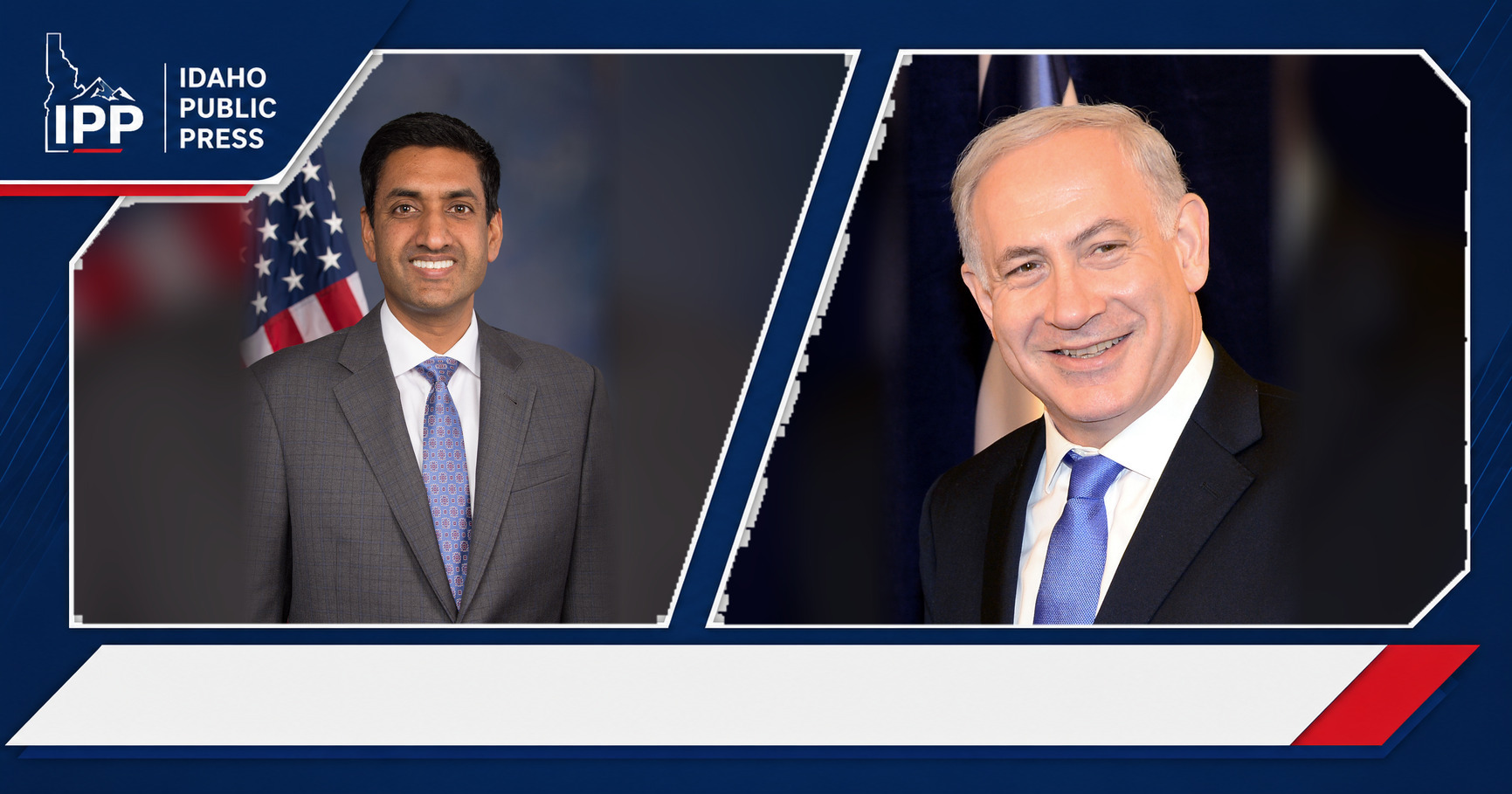
The California Democrat’s comments move a long-running fight over Gaza, U.S. support for Israel and international law into a direct challenge to Washington’s treatment of allies.
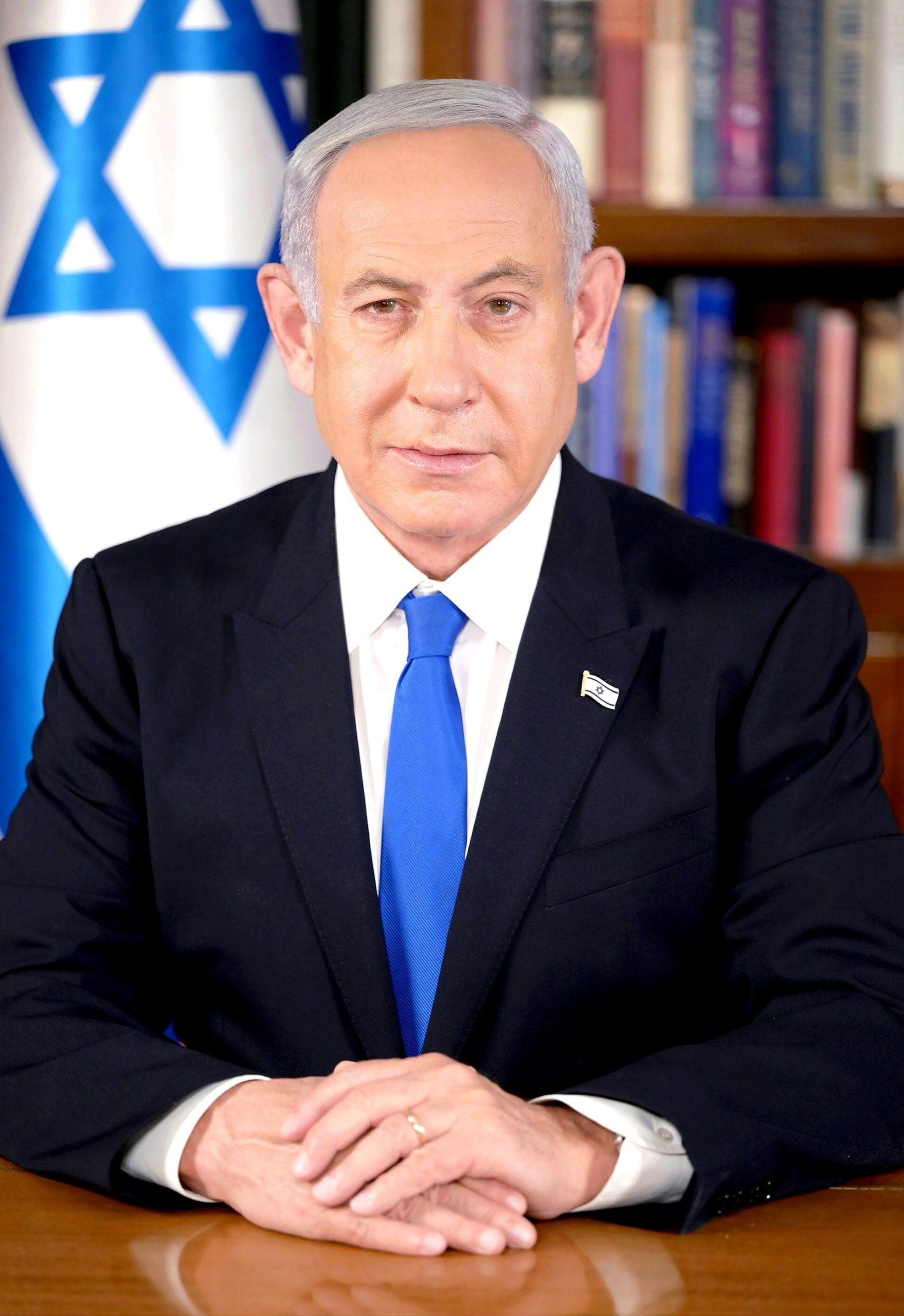
Ro Khanna called for Benjamin Netanyahu’s arrest, saying the Israeli prime minister should not be able to enter the U.S. while facing an International Criminal Court warrant over the Israel-Gaza war. Khanna criticized the killing of women and children in Gaza and put it bluntly: “You can’t just kill women and children.” His remarks matter now because Netanyahu is expected in Washington, D.C., next week, and Khanna is echoing Zohran Mamdani’s demand that U.S. officials treat the ICC case as enforceable international law.
The California Democrat’s comments do not mean Netanyahu is likely to be detained on American soil. They do, however, expose a sharper argument inside U.S. politics: whether the country’s commitment to a “rules-based international order” applies when the accused leader is a close U.S. ally.
Khanna makes it a U.S. test
Khanna made the comments Friday in a hallway interview on Capitol Hill with MeidasTouch reporter Pablo Manriquez, according to The Hill. He said the American president should arrest Netanyahu, or Russian President Vladimir Putin, if either entered U.S. jurisdiction and faced an ICC warrant.
“America needs to cooperate with the ICC,” Khanna said, referring to the International Criminal Court. He framed the issue as one of human rights and international order, arguing that U.S. marshals should carry out an arrest if a wanted leader comes within reach of American authorities.
His most forceful line was aimed at the civilian toll in Gaza. “This is about accountability,” Khanna said. “You can’t just kill women and children, have an ICC arrest warrant, and then walk into the United States of America and think nothing is gonna happen to you.”
That phrasing is why the comment is traveling fast. It is both a legal claim and a political challenge: Khanna is saying U.S. credibility depends on whether Washington is willing to enforce standards against leaders it supports, not only against enemies.
The ICC warrant at the center
The International Criminal Court issued an arrest warrant for Netanyahu in 2024, accusing him of war crimes and crimes against humanity tied to Israel’s war against Hamas in Gaza. An arrest warrant is not a conviction; it is a court order connected to alleged crimes that would still have to be tested through legal proceedings.
Israel has rejected the ICC’s jurisdiction, and the United States has long had a complicated relationship with the court. The U.S. is not a party to the Rome Statute, the treaty that created the ICC, even as American leaders have at times supported ICC action against adversaries, including Russia’s Putin.
That gap is the pressure point Khanna is trying to highlight. To his supporters, the issue is consistency: if U.S. officials say international law matters when Putin is accused, they should not carve out exceptions for Netanyahu. To critics, the ICC’s action against Israel is seen as illegitimate, politically driven or an intrusion into a country fighting Hamas after the Oct. 7 attacks.
The practical question is murkier than the slogan. The ICC relies on national governments to make arrests because it has no police force of its own. Whether a U.S. president would order federal authorities to detain a visiting Israeli prime minister is both legally complex and politically explosive.
Mamdani pushed the same line
Khanna’s comments came after New York City Mayor Zohran Mamdani made a similar argument about Netanyahu. Mamdani, a Democrat and outspoken supporter of Palestinian rights, said he had explored whether city authorities could arrest Netanyahu during a possible visit to New York for the United Nations General Assembly.
Mamdani later acknowledged that he does not have the legal authority to make that arrest through city law enforcement. He said federal authorities would be the ones with the power to act.
Khanna’s statement effectively moved the argument from City Hall to the federal government. Instead of asking whether a mayor could act, Khanna put the burden on the president and federal law enforcement.
That distinction matters. Local officials can use the issue to make a moral statement, but the federal government controls foreign policy, diplomatic relations and the kind of law-enforcement action that would be involved in arresting a foreign leader on U.S. soil.
Trump rejects the arrest scenario
President Trump has already dismissed the possibility that Netanyahu would be arrested in the United States. In a Truth Social post cited by The Hill, Trump wrote that Netanyahu “will not be arrested” in the U.S. “in any way, shape, or form.”
Trump’s position is not surprising. Netanyahu is expected to visit Washington, D.C., next week, and the Israeli leader remains one of the most closely watched foreign partners in American politics. Any move to detain him would trigger a diplomatic crisis with Israel and a fierce domestic backlash from pro-Israel lawmakers and advocacy groups.
Khanna acknowledged that Trump is unlikely to take the step he is demanding. He accused the president of not caring about human rights or international law and called the situation embarrassing for the United States and the world community.
That exchange sets up the real fight. Khanna is not merely predicting an arrest. He is forcing the administration to say openly that it will not enforce the ICC warrant against Netanyahu, even while the U.S. often invokes international law in other conflicts.
A sharper Democratic split on Israel
Khanna’s comments land amid a widening split among Democrats over Israel, Gaza and the limits of U.S. military and diplomatic support. The party still includes strong defenders of Israel’s government, but a growing bloc of progressives has become more willing to accuse Netanyahu directly of grave abuses in Gaza.
Khanna, who represents a California district and has been discussed as a possible 2028 presidential contender, has increasingly positioned himself as a critic of Netanyahu’s conduct. The Hill noted that his remarks followed a recent trip to the West Bank, where Khanna said he was briefly detained by Israeli settlers and the Israel Defense Forces while visiting a Palestinian village.
That episode gave his criticism a personal edge. Khanna later suggested the experience would shape how he talks about Israel and Palestinian rights if he seeks higher office.
Still, his arrest call carries political risk. Many American voters remain strongly supportive of Israel, and even some Democrats who criticize Netanyahu’s government may stop short of endorsing an ICC arrest on U.S. soil. Others argue that civilian deaths in Gaza and the scale of destruction demand a more direct response than statements of concern.
What remains unresolved
The immediate outcome is likely to be political, not legal. Netanyahu is not expected to be arrested during a U.S. visit under Trump, and Khanna has not announced a formal legislative push that would compel cooperation with the ICC.
But the controversy may still matter. It gives progressive Democrats a clear line to use in debates over Gaza: U.S. leaders cannot claim to defend international law while shielding an ally from an international court warrant.
It also leaves several questions unsettled. Would any future U.S. administration cooperate with an ICC warrant against an allied leader? How would federal courts respond if such an arrest were attempted? And how far are Democratic politicians willing to go in challenging Netanyahu beyond criticizing his policies?
For now, Khanna’s statement is a marker. It signals that the fight over Gaza in American politics is no longer limited to weapons transfers, cease-fire language or humanitarian aid. It has moved into the harder territory of personal accountability for leaders — and whether the U.S. is willing to apply that idea when the leader in question is Benjamin Netanyahu.







Leave a Reply