
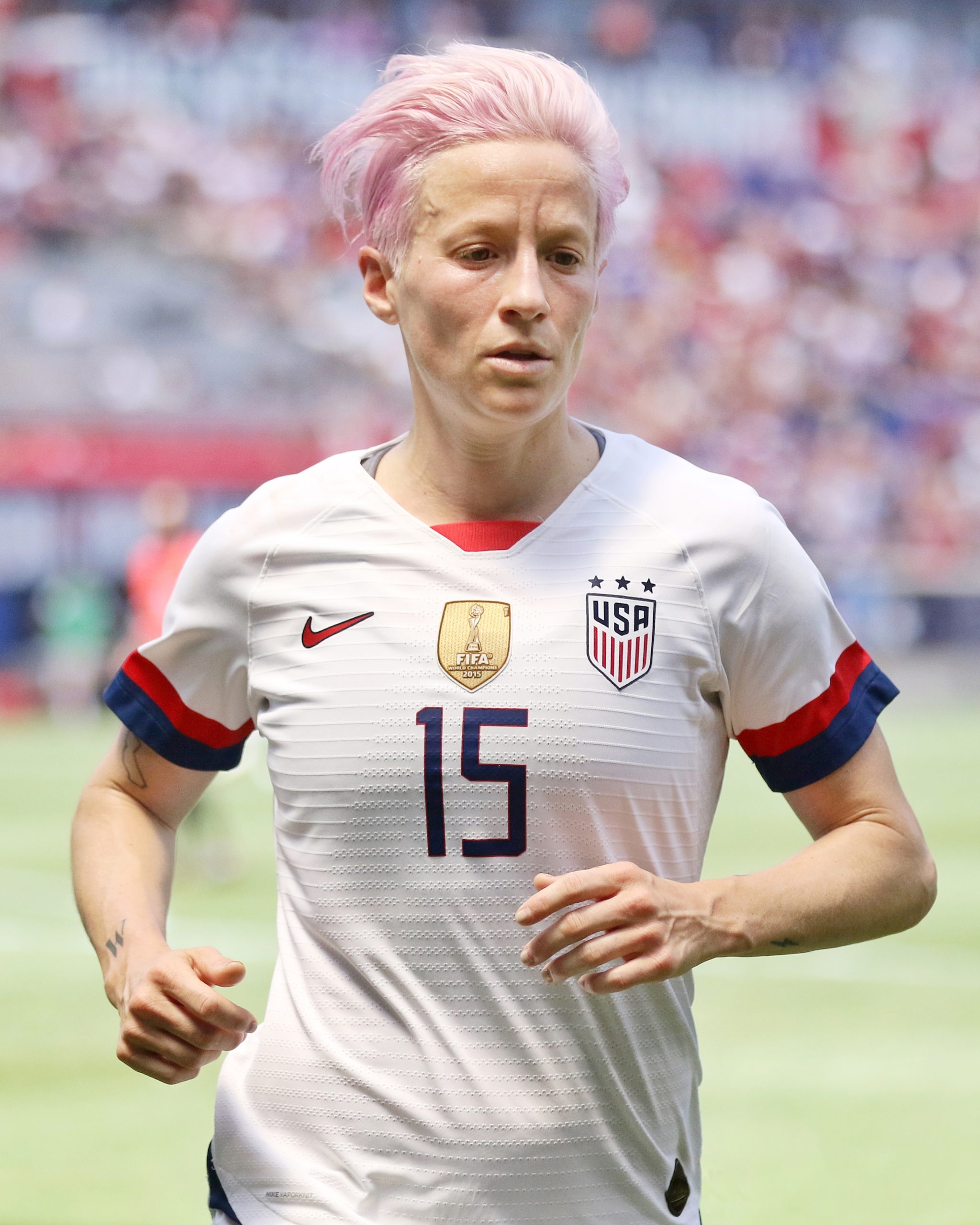
Rapinoe’s criticism is about more than one match result. It reopens a familiar argument over whether presidential attacks on athletes are political theater or a real distraction for teams on the world stage.
Megan Rapinoe says Donald Trump’s interference hurt the U.S. team in its World Cup loss, according to a Daily Beast report syndicated by MSN, turning a sporting defeat into another flashpoint in the political dispute between Rapinoe and Trump. The claim matters because Rapinoe is not just a former U.S. star; she has long been one of the most visible athletes willing to challenge Trump directly.
The allegation lands in familiar territory: American soccer, presidential politics and the pressure that follows athletes who speak beyond the field. Rapinoe’s point is not simply that the U.S. team lost. It is that outside political noise, especially from Trump, can become part of the competitive environment.
Rapinoe puts politics in frame
Rapinoe’s latest criticism, as summarized in the Daily Beast report, links Trump’s involvement to the U.S. team’s World Cup loss. That is a serious claim, but it is also a difficult one to prove in the clean language of sports analysis.
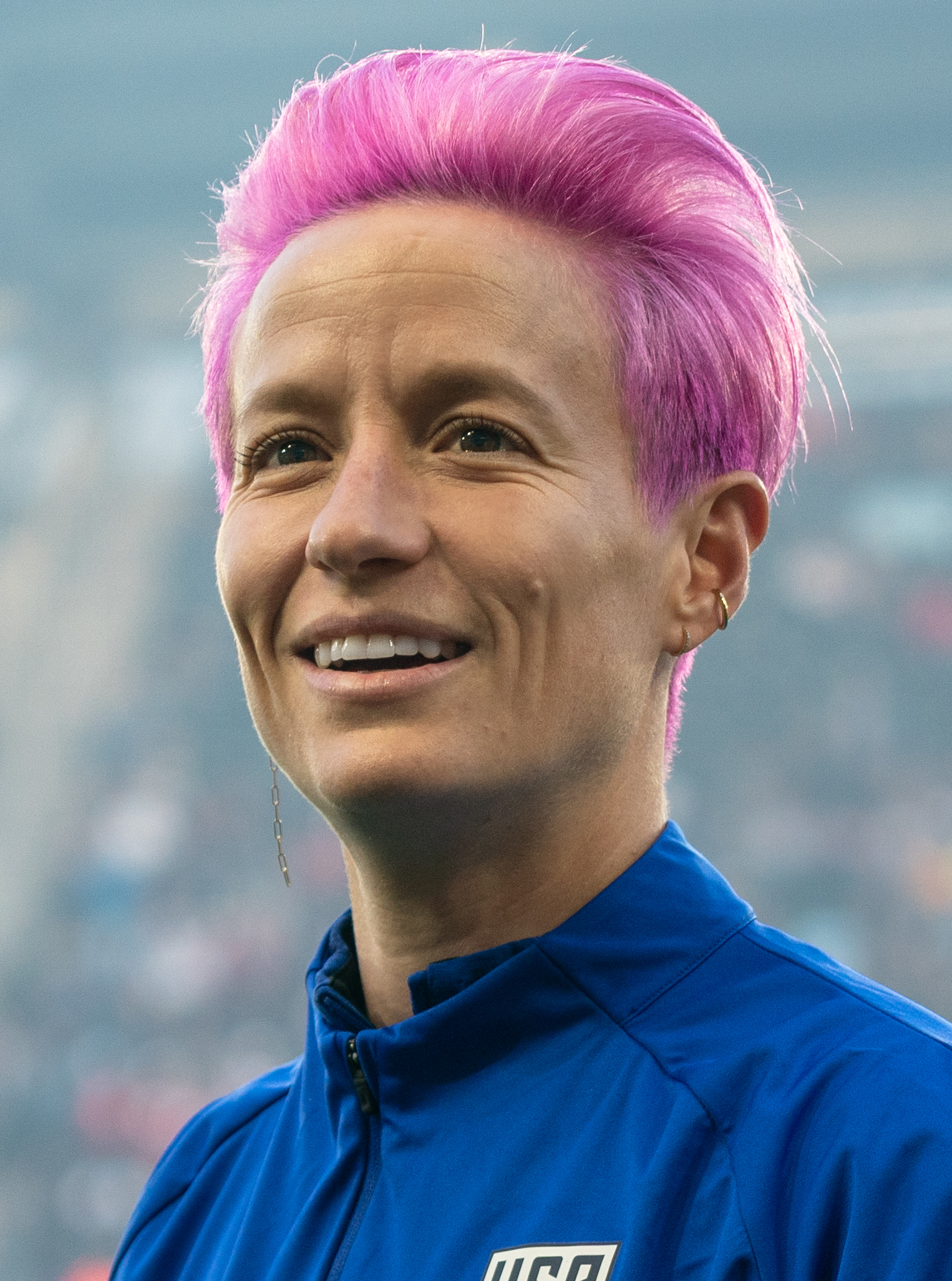
A team loses because of tactics, finishing, injuries, form, opponents and pressure. Political conflict can sit inside that last category, but it rarely shows up on a stat sheet. Rapinoe is arguing from the perspective of someone who has lived the collision of elite competition and national controversy.
That is why her comments travel beyond soccer. They ask whether a president’s public attacks on athletes are merely commentary, or whether they can meaningfully affect the athletes being targeted and the teams around them.
A feud years in the making
Rapinoe and Trump have been in public conflict for years. During the U.S. women’s national team’s 2019 World Cup run, Rapinoe said she would not go to the White House if the team won, using blunt language that quickly became a national political story.
Trump responded on social media by warning Rapinoe not to disrespect the country, the White House or the flag. According to The Guardian’s 2019 account, he also wrote that he was a fan of the American team and women’s soccer, while telling Rapinoe to ‘WIN first before she TALKS.’
The team did win that tournament, defeating the Netherlands 2-0 in the final in Lyon. Rapinoe then used the victory platform to speak about equal pay, LGBTQ rights, racial equality and the meaning of national representation.
In a CNN interview reported by The Guardian, Rapinoe addressed Trump directly: ‘Your message is excluding people.’ She said his politics excluded her, people who looked like her, people of color and even some Americans who supported him.
Why interference is hard to measure
The word ‘interference’ carries weight. In a sports context, it can suggest distraction, intimidation, public pressure or an attempt to shape the narrative around a team. Rapinoe’s accusation appears to be about that wider environment, not a claim that Trump made tactical decisions or directly controlled play.
That distinction matters. There is no simple public metric for how much political controversy affects a player’s confidence or a team’s cohesion. A missed chance, a defensive lapse or a penalty shootout can be analyzed frame by frame. The psychological effect of being dragged into a national argument is harder to isolate.
Still, elite athletes often talk about noise. They describe the strain of being debated not only as competitors, but as symbols of patriotism, identity and politics. Rapinoe has spent much of her career inside that glare.
Critics of Rapinoe’s view will argue that World Cup teams are expected to handle pressure, and that blaming Trump risks shifting attention away from performance. Supporters will counter that a president’s megaphone is unlike ordinary criticism from fans or pundits, especially when it targets specific athletes by name.
Trump’s side of the argument
Trump’s past position has been that athletes representing the United States should show respect for the country, the flag and the White House. In the 2019 dispute, he framed Rapinoe’s comments about refusing a White House visit as disrespectful, even as he said he supported the team.
That argument has long resonated with voters and fans who want national teams to stay above partisan politics. To them, the U.S. jersey should unify, and public fights with a president distract from the honor of representing the country.
Rapinoe’s answer has been almost the opposite: representing the United States includes speaking about who is excluded, who is treated unfairly and what national pride should demand. Her political identity is not separate from her athletic platform; it is part of how she has defined it.
That divide is why this story keeps reappearing. It is not only about Rapinoe or Trump. It is about two competing ideas of what athletes owe the country when they play under its flag.
The team becomes the battlefield
The most uncomfortable part of the dispute is that the team can become the stage for arguments individual players did not choose. When Trump criticizes Rapinoe, the attention can spill over onto teammates, coaches and the broader program.
That can create a double bind for athletes. If they respond, the story grows. If they do not, critics may define the narrative for them. Either way, the soccer can become secondary to the symbolism.
Rapinoe’s career shows how powerful that symbolism can be. She helped lead a World Cup-winning team, fought publicly for equal pay and became a cultural figure far beyond the sport. That visibility gave her influence, but it also made her a frequent target.
For a U.S. team in a World Cup loss, the question is whether that kind of political gravity becomes a burden. Rapinoe says it did. Others will want more evidence before accepting that it changed the result.
What remains unanswered
The key unknown is exactly how Rapinoe connects Trump’s conduct to the loss. Did she mean public criticism created pressure before or during the tournament? Did she mean the team was forced to carry political baggage into a competition where focus is everything? The available summary of the Daily Beast report does not provide enough detail to answer those questions fully.
What is clear is that Rapinoe is again forcing a debate that American sports has never settled. When presidents comment on athletes, is that just part of public life, or does it become an abuse of the office’s power? When athletes criticize leaders, are they distracting from the game, or using their platform exactly as intended?
The sharper takeaway is that U.S. soccer’s biggest moments now unfold in two arenas at once. One is the field, where results are final. The other is the political arena, where the meaning of those results is fought over long after the whistle.
Rapinoe’s accusation may not settle why the U.S. team lost. It does show that, for high-profile American athletes, the pressure of a World Cup can come from far more than the opponent across the halfway line.

Leave a Reply