
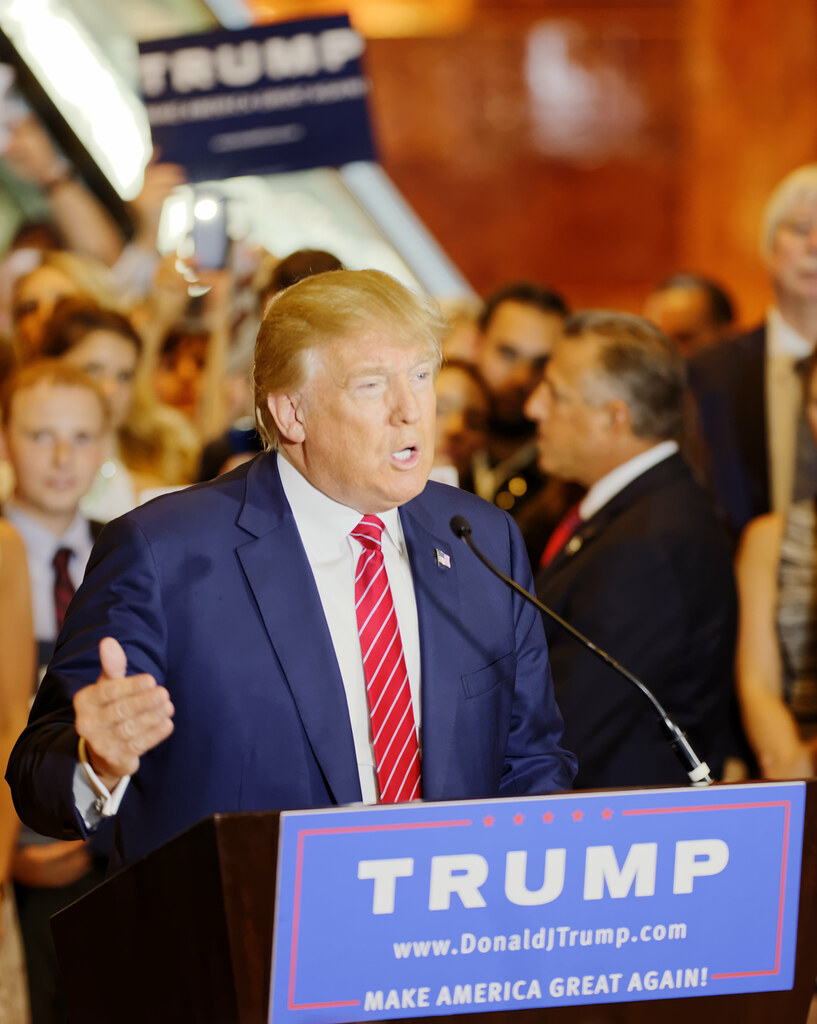
The furor is about more than one insult. It reflects a sharper fight over grief, retaliation and presidential rhetoric as U.S.-Iran tensions intensify.
Donald Trump faced backlash over remarks about dead U.S. troops, with critics calling his comments a “new low” and the article’s source headline saying he was branded a “disgusting little man.” The criticism came in the Iran war context after Reuters reported that Trump said Iran would “pay” for killing U.S. soldiers following a deadly weekend in which multiple service members were killed.
The dispute matters now because presidential language after military deaths is never just atmospherics. It can signal strategy, shape public tolerance for escalation and test whether a commander in chief is seen as mourning losses or turning them into combat rhetoric.
The remark that set it off
The core verified comment in the available source material is Trump’s vow that Iran would “pay” after the deaths of U.S. service members, as reported by Reuters. That phrase, delivered after a deadly weekend for American troops, became the focal point for criticism because it framed the deaths through retaliation.
For Trump’s defenders, the wording may read as a show of strength: a president warning an adversary that killing Americans will bring consequences. In a war context, that kind of language is not unusual, and presidents have often used forceful terms after attacks on U.S. personnel.
For critics, the problem is tone and timing. They argued that the first public emphasis after military deaths should be solemnity, clarity and accountability — not a political-sounding vow of payback.
The phrase “disgusting little man,” cited in the source headline, reflects the intensity of that reaction. The available research does not identify the individual critic behind that wording, so it should be understood as a quoted characterization of the backlash rather than a verified statement from a named public figure.
Why the wording landed hard
Deaths of U.S. troops occupy a uniquely sensitive place in American politics. They are personal tragedies for families, operational events for the military and national moments for elected leaders. A president’s words are expected to carry all three meanings at once.
That is why even a short phrase can become politically explosive. “Pay” can sound like deterrence to one audience and like escalation to another. It can also leave open the biggest question: what form, if any, would the promised response take?
The “new low” criticism appears rooted in that gap between grief and threat. Critics heard a president using the deaths of service members as a platform for menace. Supporters would likely argue that failing to threaten consequences could invite more attacks.
Both readings matter because they point to the same underlying tension: when troops are killed, presidential speech is not just commentary. It becomes part of the crisis.
The politics of military grief
Trump has long had a combative public style, and his critics often judge his national-security remarks through that lens. That history can make even standard hawkish language sound more provocative to opponents who already see him as careless with military sacrifice.
At the same time, presidents from both parties have faced pressure to appear decisive after American deaths abroad. Too little forcefulness can be attacked as weakness. Too much can be condemned as reckless.
The difference here is the immediate backlash over whether Trump’s response centered the fallen troops or centered retaliation. That distinction may sound narrow, but it is central to how the public evaluates wartime leadership.
Families, service members and voters tend to expect more than toughness. They look for evidence that leaders understand the cost of the decisions they may be preparing to make.
Iran context raises stakes
The Iran element makes the reaction more serious than a routine political pile-on. Reuters placed the remarks in the context of a deadly weekend for U.S. troops and Trump’s vow of revenge against Iran. That means the controversy sits alongside real questions about U.S. policy, military posture and possible escalation.
When a president names Iran and says it will “pay,” allies, adversaries and markets may all parse the language. So will Congress, which has constitutional war powers but often fights after the fact over presidential military action.
The public-facing rhetoric can also affect expectations at home. If Americans hear a promise of retribution, they may assume a response is imminent or inevitable, even when military planners are still weighing options.
That is why critics seized on the phrasing. The argument is not merely that Trump sounded harsh. It is that harsh language in a live conflict environment can narrow political space before the administration has explained its evidence, objectives or limits.
What remains unanswered
The available source material confirms the broad outlines: Trump was criticized over remarks about dead U.S. troops, Reuters reported he said Iran would “pay,” and the backlash included descriptions of the comments as a “new low” and of Trump as a “disgusting little man.” Several important details remain unclear from the provided research.
- Whether Trump offered condolences or additional context alongside the “pay” remark.
- Who specifically used the “disgusting little man” wording cited in the source headline.
- What evidence the administration has publicly provided tying Iran to the deaths.
- What concrete U.S. response, if any, Trump is considering.
- How military families and service members are responding beyond the political reaction.
Those gaps matter. In high-stakes national-security stories, a single clipped phrase can drive outrage before the full record is available. It is also true that presidents are accountable for the words they choose, especially when those words follow the deaths of Americans in uniform.
A rhetoric fight with real stakes
The backlash shows how quickly the politics of war can turn on tone. Trump’s supporters may see his message as a necessary warning to Iran. His critics see it as an ugly response to military loss and a dangerous preview of escalation.
Neither side is arguing about style alone. The deeper dispute is over what the country should expect from a commander in chief at a moment of grief: restraint, vengeance, deterrence, transparency — or some balance of all four.
The clean takeaway is this: Trump’s “pay” remark has become a proxy for a larger argument about leadership after troop deaths. Until the administration provides more detail on what happened, what it knows and what it plans to do, the fight over his words will continue to stand in for the fight over U.S. policy toward Iran.



Leave a Reply