
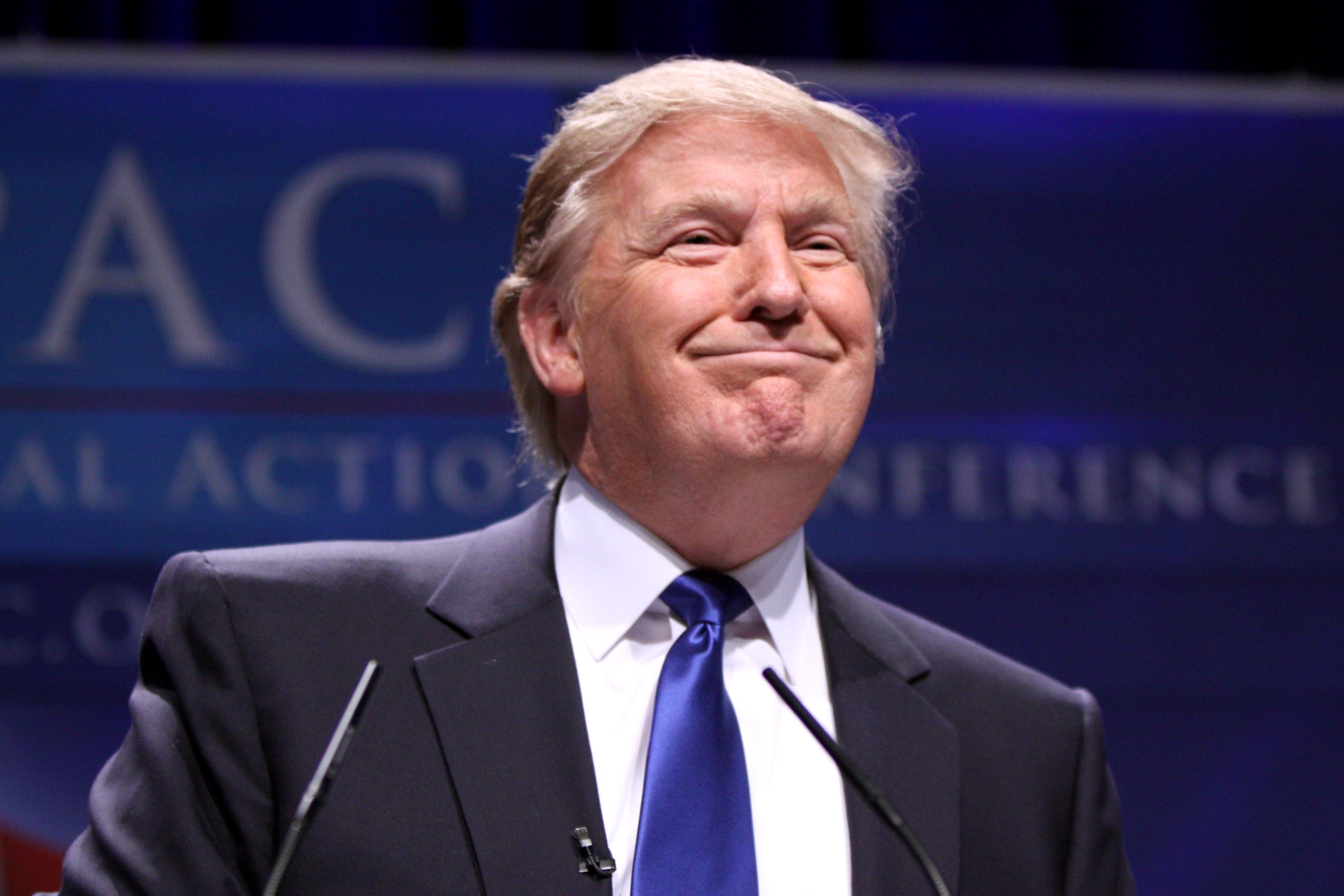
The warning is not just that Democrats could gain power in Congress. It is that Trump’s allies may start acting like the next Republican era is already underway.
Trump biographer reveals a warning with a sharper edge: Donald Trump will face trouble after the midterm elections, and Michael Wolff is the Trump biographer giving the warning. This article explains what trouble Trump does not see coming after the midterms: not just Democratic resistance, but Republicans beginning to move away from him.
Wolff, the longtime reporter and author who has written extensively about Trump, made the argument on The Daily Beast podcast Inside Trump’s Head. His point is that the post-midterm danger may be less dramatic than a single defeat, but more damaging over time: a president whose leverage starts to shrink inside his own coalition.
Wolff’s warning is about leverage
According to Alternet’s account of Wolff’s comments, the biographer expects Trump to have a difficult final stretch after the forthcoming midterm elections. Wolff said Democrats, if they gain enough power, will try to frustrate and humiliate Trump and make him pay politically.
That part is familiar Washington logic. Midterms often become a referendum on the president, and a hostile House can bury an administration in investigations, subpoenas, messaging votes and blocked priorities.
But Wolff’s more pointed warning is about what happens inside the Republican Party once lawmakers start calculating life after Trump. In his telling, the bigger problem is not only what opponents do. It is what allies stop doing.
That distinction matters because Trump’s power has long depended on the perception that Republicans need him more than he needs them. A midterm setback, or even the approach of the 2028 campaign, can change that calculation quickly.
The party problem he flags
Wolff described Trump’s post-midterm position as a version of lame-duck politics. A term-limited president can still dominate news coverage and command loyal voters, but every elected official around him starts looking toward the next election, the next nominee and the next center of power.
In Wolff’s words, “things happen in his own party” when a president enters that phase. He argued that Republicans begin moving “further and further away” from Trump, adding that signs of that shift are already visible.
That does not mean Republicans will suddenly denounce him. Political distance can be quieter than that. It can look like missed votes, delayed bills, cautious interviews, softened endorsements or public praise that no longer comes with real legislative risk.
For Trump, that could be especially frustrating. His political style relies on pressure, loyalty tests and the expectation that Republican lawmakers will rally around his demands. If those lawmakers decide his influence is declining, the same tactics may produce less fear and more resistance.
The SAVE Act becomes a test
Wolff pointed to the SAVE Act as an example of that resistance. Trump has repeatedly described the election-related measure as a top priority for Congress, according to Alternet’s report.
The bill would require Americans to present certain proof of citizenship when registering to vote. Supporters frame measures like this as election-integrity safeguards. Critics argue the requirement could block eligible voters who do not have easy access to documents such as a birth certificate or passport.
The key political problem, as Wolff framed it, is not only the policy dispute. It is that Republicans in the Senate have reportedly told Trump the bill does not have the support needed to overcome the filibuster.
That is the kind of “no” that can signal a larger shift. A party still fully organized around Trump might try to force the issue anyway. A party preparing for a post-Trump race may decide that protecting its own members from a doomed fight matters more than satisfying the president.
Vance and the 2028 shadow
Wolff also tied the issue to Vice President JD Vance and the early politics of 2028. He cited Vance’s appearance on Joe Rogan’s podcast as an example of a possible effort to put some distance between himself and Trump.
That is an explosive interpretation, and it should be treated as Wolff’s reading rather than a settled fact. Vance remains Trump’s vice president, and public positioning by a national Republican figure can serve multiple audiences at once.
Still, the broader point is hard to dismiss: 2028 will change the incentives for ambitious Republicans. Governors, senators, Cabinet members and the vice president will all have reasons to preserve ties to Trump voters while also showing they are not merely extensions of Trump himself.
Wolff compared the dynamic to the 2024 Democratic debate over whether Kamala Harris needed more distance from Joe Biden. His argument is that Republican contenders may decide they cannot win the next nomination, or the next general election, if they are seen as carrying every piece of Trump’s agenda forward.
Both parties face risks
The warning cuts both ways. Wolff said Democrats may try to frustrate and humiliate Trump if they gain power, but he also acknowledged that strategy may or may not be good politics. Democrats have pursued aggressive oversight of Trump before, and the political payoff has not always been clear.
For Democrats, the temptation would be obvious. A president weakened by the midterms can be investigated, boxed in and forced to spend political energy on defense. But overreach can also energize Trump’s supporters and let him cast himself as the target of partisan revenge.
For Republicans, the risk is different. Moving away from Trump too early could anger the voters who remain deeply loyal to him. Waiting too long could leave 2028 hopefuls tied to an agenda or governing record they may later want to revise.
That tension is why Wolff’s warning is politically useful even for readers who do not share his view of Trump. It identifies the moment when loyalty stops being automatic and becomes transactional.
What remains unclear
Several big questions remain unresolved. Democrats are not guaranteed to take the House, and midterm expectations can change with the economy, world events, candidate quality and turnout. Wolff’s forecast depends partly on assumptions about the political environment after the elections.
It is also unclear how much distance Republican candidates can create from Trump without alienating his base. The party’s next generation may try to borrow his style, keep his voters and shed only the liabilities. That is easier to describe than to execute.
Trump’s own response is another unknown. If he senses Republicans drifting away, he may intensify pressure on lawmakers and 2028 contenders. That could force them back into line, or it could make the split more visible.
The clean takeaway from Wolff’s warning is this: the midterms may not only decide which party controls Congress. They may reveal whether Trump still controls the Republican Party with the same force, or whether ambitious Republicans begin acting as if the future belongs to someone else.




Leave a Reply