

The sales figure shows how controversy around Donald Trump can become a commercial engine, especially when the material comes from his own words. The book’s performance also fits a larger pattern of Trump-era tell-alls becoming bestsellers.
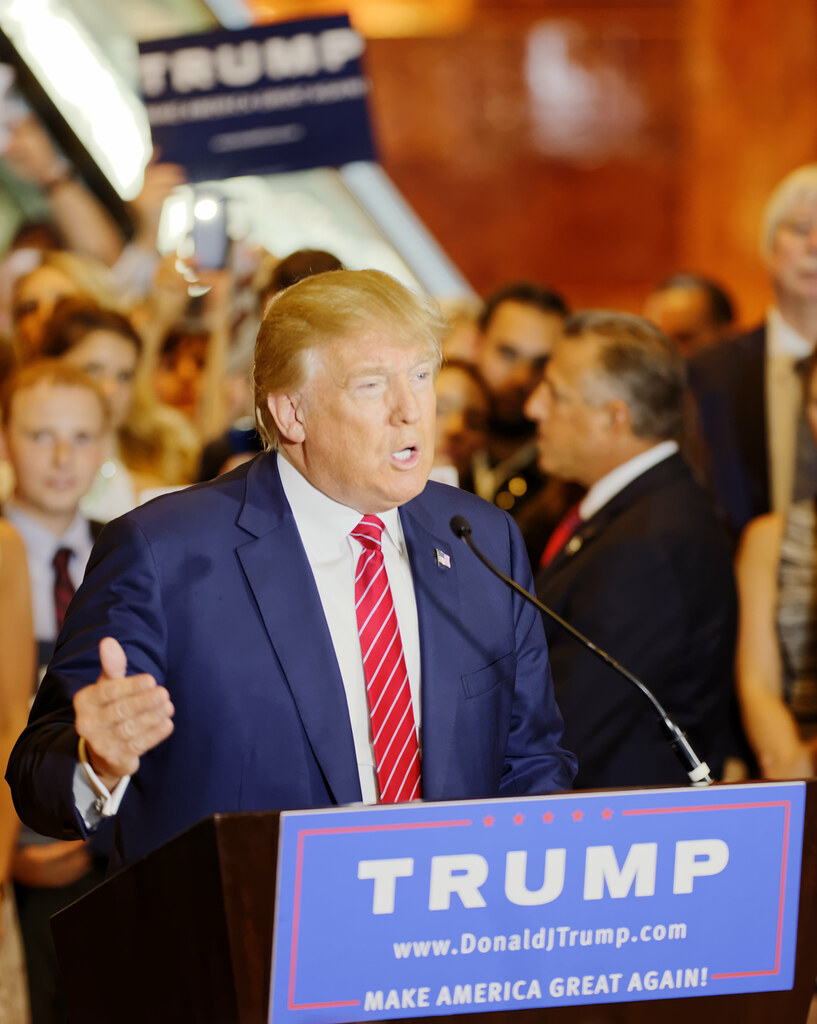
Donald Trump’s bluster backfires in the case of Bob Woodward’s book Rage: the critical Trump book sold more than 600,000 copies in its first week, according to USA Today, despite — and partly because of — the embarrassing material drawn from Trump’s own recorded interviews.
That number matters because it shows how a damaging political book can roar off shelves when the controversy is built around the subject’s own words. For readers and publishers, Rage became more than another anti-Trump title; it was a case study in how attention, denial and outrage can drive sales.
Trump’s words powered the book
Rage, published by Simon & Schuster, was not based only on anonymous sourcing or secondhand accounts. Woodward conducted 18 interviews with Trump, a fact that made the book harder for the former president’s defenders to dismiss as just another hostile account.
The most explosive material centered on Trump’s private comments about the coronavirus pandemic. USA Today reported that Trump told Woodward in a recorded February interview that the virus was “deadly” and more serious than typical flu, while later saying publicly that he wanted to avoid panic.
Trump’s own explanation became part of the controversy. “I wanted to always play it down,” he told Woodward, according to the reporting on the book. “I still like playing it down because I don’t want to create a panic.”
That is why the sales story landed with political force. The embarrassment was not simply that the book criticized Trump. It was that the book used Trump’s access to Woodward — and Trump’s willingness to talk — as the central evidence.
Sales turned controversy into proof
USA Today reported that Rage sold more than 600,000 copies in its first week across hardcover, audiobook and e-book formats. The book also reached No. 1 on USA Today’s Best-Selling Books list, beating titles from major commercial authors including J.K. Rowling, Stephenie Meyer and Ken Follett.
Simon & Schuster announced at the time that the book was going into a fourth printing, with 1.3 million copies in print. For a political nonfiction title, that is a major commercial footprint.
The sales did not happen in a vacuum. Trump books had already become a reliable publishing category, with readers buying insider accounts, memoirs, investigative books and family tell-alls at a pace that few political figures could match.
Still, Rage stood out because its strongest marketing asset was the same thing that made it politically damaging: audio-backed access to Trump himself.
Why the backlash helped
Political books often sell when they promise access, scandal or confirmation of what readers already suspect. Rage offered all three. For Trump critics, the book appeared to validate concerns about his handling of the pandemic and his approach to truth. For Trump supporters, the coverage could be viewed as another media pile-on, but that too kept the book in the conversation.
That is the backfire dynamic. Attempts to minimize or attack damaging material can draw more attention to it, especially when the public argument sends curious readers looking for the original source.
The title’s commercial success also shows how the modern political outrage cycle can benefit publishers. A televised dispute, a viral quote or a defensive statement can work like unpaid advertising, pushing a book beyond the usual audience for political nonfiction.
There is a tension here. Strong sales do not automatically prove that every buyer agrees with the author. Some buy because they oppose Trump, some because they study politics, some because they want to hear the evidence directly, and some because the controversy itself makes the book feel unavoidable.
Not the only Trump blockbuster
Rage was a bestseller, but it was not the fastest-selling Trump book of that period. USA Today noted that Mary Trump’s Too Much and Never Enough, a scathing family memoir about her uncle, had sold 950,000 copies by the end of its first day of release.
Woodward’s earlier Trump book, Fear, also set a high bar. It sold more than 1 million copies in its first week after its 2018 release and later reached 2 million copies sold, according to USA Today’s account.
Those comparisons matter because they show that Rage was part of a broader reader appetite rather than an isolated publishing surprise. Trump’s presidency created a market for books that promised access to the inner workings of his administration and the people around him.
Publishers saw a dependable formula: recognizable author, insider sourcing, explosive claim, relentless media cycle. Woodward brought an added advantage — a long reputation for Washington reporting and tapes of the president speaking in his own voice.
The claim and the caveat
Woodward’s book included serious claims beyond the pandemic comments. USA Today reported that Woodward wrote former Defense Secretary James Mattis told former Director of National Intelligence Dan Coats that Trump was “dangerous” and “unfit,” and that Coats believed Trump could not tell “the difference between truth and a lie.”
Those are grave assessments, and they should be read with attribution. They are claims reported in Woodward’s book and summarized by USA Today, not findings from a court or official investigative body.
Trump and his allies have long argued that many books about him are driven by hostile media incentives, selective sourcing or a desire to profit from controversy. That critique resonates with supporters who see the publishing boom as part of a broader anti-Trump ecosystem.
But Rage complicates that defense because its most memorable passages came from Trump’s own recorded interviews. Readers did not have to rely only on Woodward’s interpretation; the public debate centered on what Trump said and what those comments revealed.
What the sales really show
The 600,000-copy first-week figure is not just a publishing stat. It is a reminder that Trump’s political brand has often turned negative attention into mass attention, and mass attention into money for media companies, authors and publishers.
For Trump, that dynamic can cut both ways. Outrage can energize his base and keep him central to the national conversation. It can also make damaging accounts more visible, more searchable and more profitable.
For readers, the takeaway is simpler: when a public figure sits for extensive interviews with a veteran reporter, the resulting book can become powerful precisely because it is not entirely outside criticism. It can be built from the subject’s own performance.
That is why Rage remains a useful example of political publishing in the Trump era. The book sold strongly because it was controversial, but the controversy had unusual force because Trump helped create the record that made it sell.



Leave a Reply