
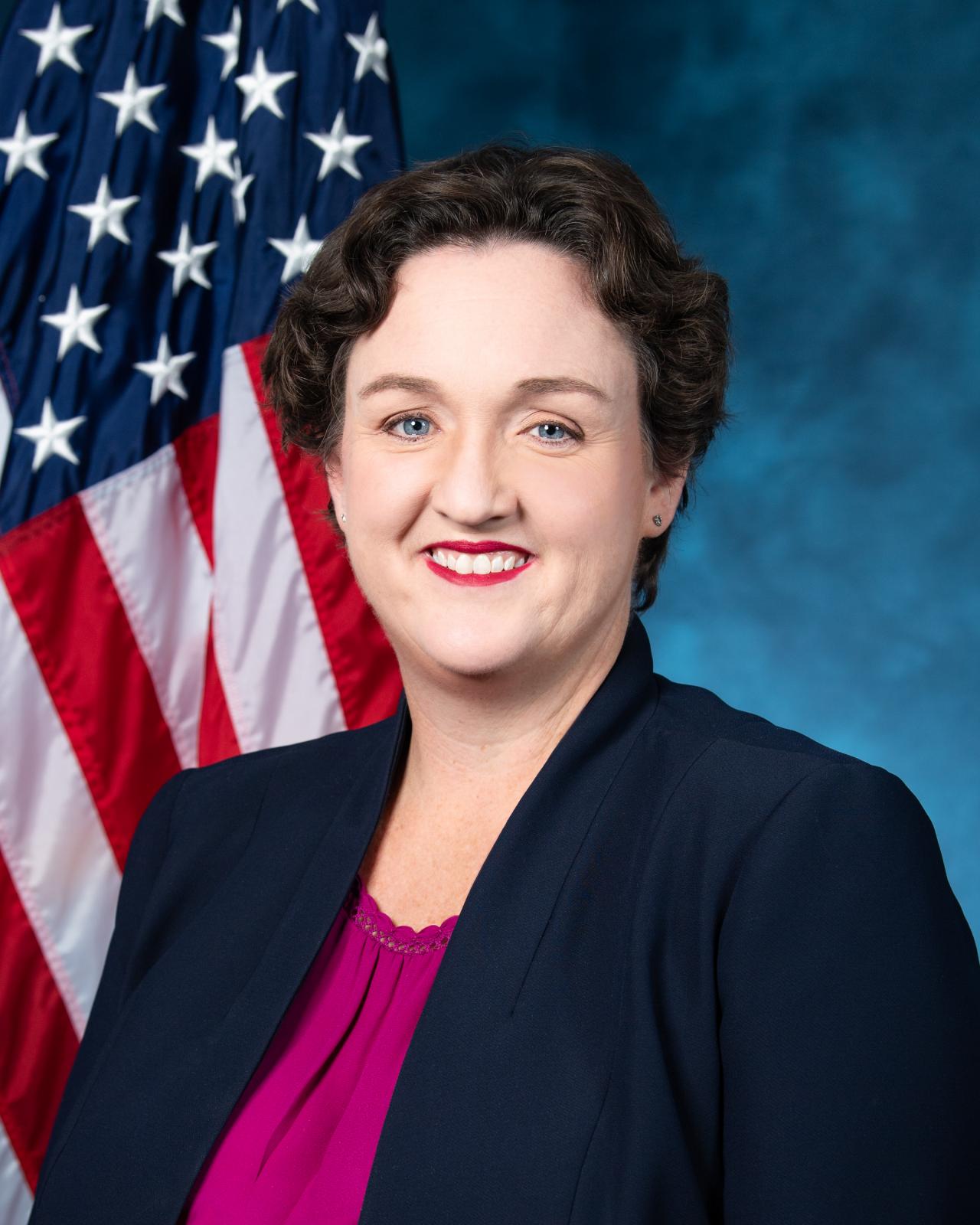
Porter’s early entry did more than launch a campaign. It put pressure on California Democrats to choose whether to wait for Feinstein or start the succession fight now.
Dem Katie Porter made her surprising announcement Tuesday: Katie Porter announced she is running for the U.S. Senate in 2024. Her announcement comes amid uncertainty over Dianne Feinstein’s future, and the move affects the contest to succeed Feinstein in California, a race with major stakes in Washington.
The timing is the story. Porter jumped in 22 months before Election Day, framing herself as a fighter against banking, oil and pharmaceutical interests while forcing other ambitious California Democrats to decide whether to wait for Feinstein or move now.
Porter moves before Feinstein does
Rep. Katie Porter, a Democrat from California, launched her 2024 Senate campaign in a video announcement, according to NBC News. In that video, Porter said California needs a warrior in Washington who would stand up to powerful interests.
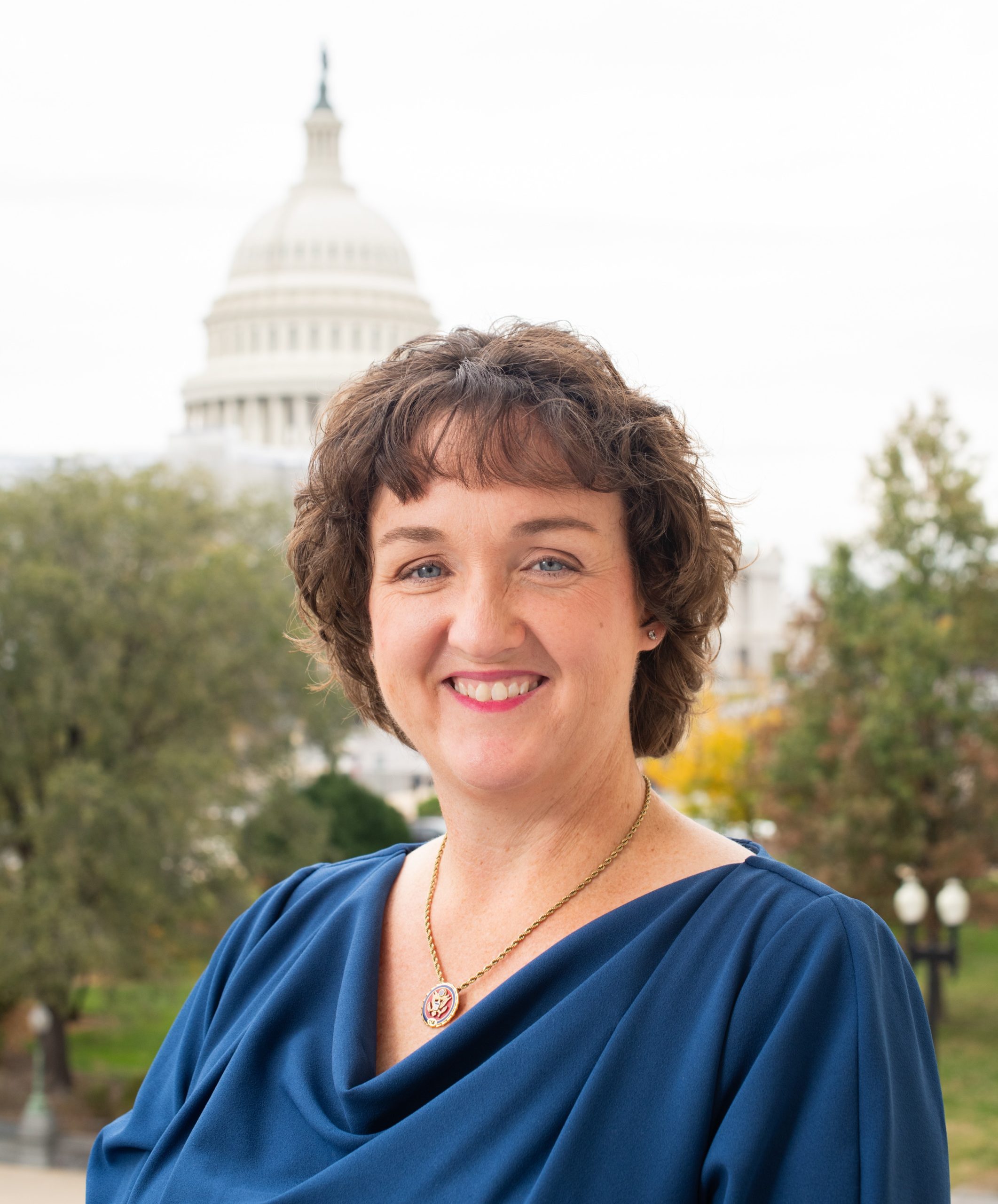
Porter did not directly name Sen. Dianne Feinstein in the announcement. But she did say it was time for new leadership in the U.S. Senate, a line that landed unmistakably in the middle of California’s long-running question: would Feinstein seek another term?
At the time of Porter’s launch, Feinstein had not announced her 2024 plans. NBC News reported that Feinstein, then 89, was the longest-serving female senator and was widely expected to retire at the end of her term, though she had not said so publicly.
That made Porter’s move unusually aggressive. Rather than wait for Feinstein to clear the field, Porter stepped into it early and dared the rest of California’s Democratic bench to respond.
Why the timing drew heat
Porter’s announcement did not arrive in a quiet political moment. California was dealing with severe storms and deadly flooding, and that immediately became part of the reaction to her campaign rollout.
Feinstein responded by saying everyone was welcome to run, but that she would announce her own 2024 plans at the appropriate time. She added that her focus was on ensuring California had resources to cope with the storms hitting the state.
Other possible Democratic contenders also pointed to the weather emergency. Rep. Adam Schiff told NBC News that he had been talking with local officials and FEMA about relief for Californians and said that was where his focus should be. Rep. Ro Khanna, another possible contender, said he would make a decision in the next few months but was focused on severe storms and flooding in his district.
Porter defended the timing by tying the crisis to her campaign message. She told reporters she was concerned about what climate change was doing to California and argued the storms showed the urgency of having leaders who understood the threats facing the state.
A race built for money
California Senate campaigns are expensive under normal circumstances. A wide-open race for a rare Senate vacancy in the nation’s largest state can become a test of fundraising, organization and name recognition long before voters tune in.
That is one reason Porter’s early entry matters. By announcing 22 months before the election, she gave herself time to raise money, build a statewide operation and define herself before better-known or better-connected rivals could dominate the field.
Feinstein’s own campaign finances added to the speculation. NBC News reported that her most recent campaign finance report at the time showed less than $10,000 in the bank, an unusually small amount for a senior senator from a costly state. A lack of fundraising is often read by political professionals as a sign that an incumbent may not be preparing for another race.
Still, Feinstein had not said she would retire. A spokesperson previously told the Los Angeles Times, as cited by NBC News, that Feinstein had no plans to step down and would announce her 2024 plans at the appropriate time.
Porter’s pitch is familiar
Porter’s campaign message leaned into the brand that made her nationally recognizable: a progressive Democrat who uses sharp questioning, plain language and a whiteboard to turn congressional hearings into viral clips.
In her announcement, she presented herself as someone willing to name powerful interests and challenge the status quo. The targets she chose were not accidental. Banks, oil companies and pharmaceutical firms are familiar villains in Porter’s political style, and they help her speak to Democratic primary voters who want confrontation with corporate power.
Porter first entered Congress in 2019 and later served as deputy chair of the Congressional Progressive Caucus. Before politics, she was a law professor, a background that fits the methodical, case-building style she has used in hearings.
That style is an asset in a statewide Democratic primary, where small-dollar fundraising and online attention can matter. But California is not one media market, and running statewide requires more than memorable hearing clips. Porter’s challenge is to translate a national progressive profile into a coalition broad enough for California’s electorate.
Her House seat also matters
Porter’s Senate bid has consequences beyond the Senate race. She had just won re-election to a third term in California’s 47th Congressional District, a coastal Orange County seat that was listed as a toss-up by the nonpartisan Cook Political Report.
Her 2022 campaign showed both her strength and her vulnerability. Porter defeated Republican Scott Baugh, but the district was competitive. Federal Election Commission filings cited by NBC News showed Porter raised nearly $26 million in the 2022 cycle, compared with about $3 million for Baugh.
That fundraising edge helped her survive a difficult race. If she runs statewide instead of defending the House seat, Republicans get another opening in a district they already viewed as winnable.
An adviser to Baugh told NBC News that Baugh planned to run for the Orange County district again in 2024, with a formal announcement expected later. That means Porter’s decision could reshape both California’s Senate primary and the fight for control of a competitive House seat.
The unanswered Feinstein question
The central uncertainty remains Feinstein. Porter’s announcement made clear that some California Democrats were no longer willing to wait quietly, but it did not resolve whether Feinstein would run again, retire at the end of her term or shape the succession in another way.
The political logic is clear on both sides. Porter benefits from moving first, especially if she can lock down progressive support and fundraising before rivals fully enter. Potential opponents benefit from appearing focused on governing during a state emergency and from avoiding the appearance of pushing out a historic incumbent.
That tension is why the announcement landed as more than a campaign video. It was a signal that the race to succeed Feinstein had effectively begun, even before Feinstein herself had made the formal move that many Democrats were waiting for.
The next phase depends on who follows Porter in. Schiff had signaled interest. Khanna said he would decide within months. Feinstein said she would speak at the appropriate time. Porter, meanwhile, chose not to wait for any of them.





Leave a Reply