
The expected 30-year deal could bring U.S. companies into Saudi Arabia’s nuclear energy plans. Its most sensitive feature is enrichment, a civilian technology with military implications.
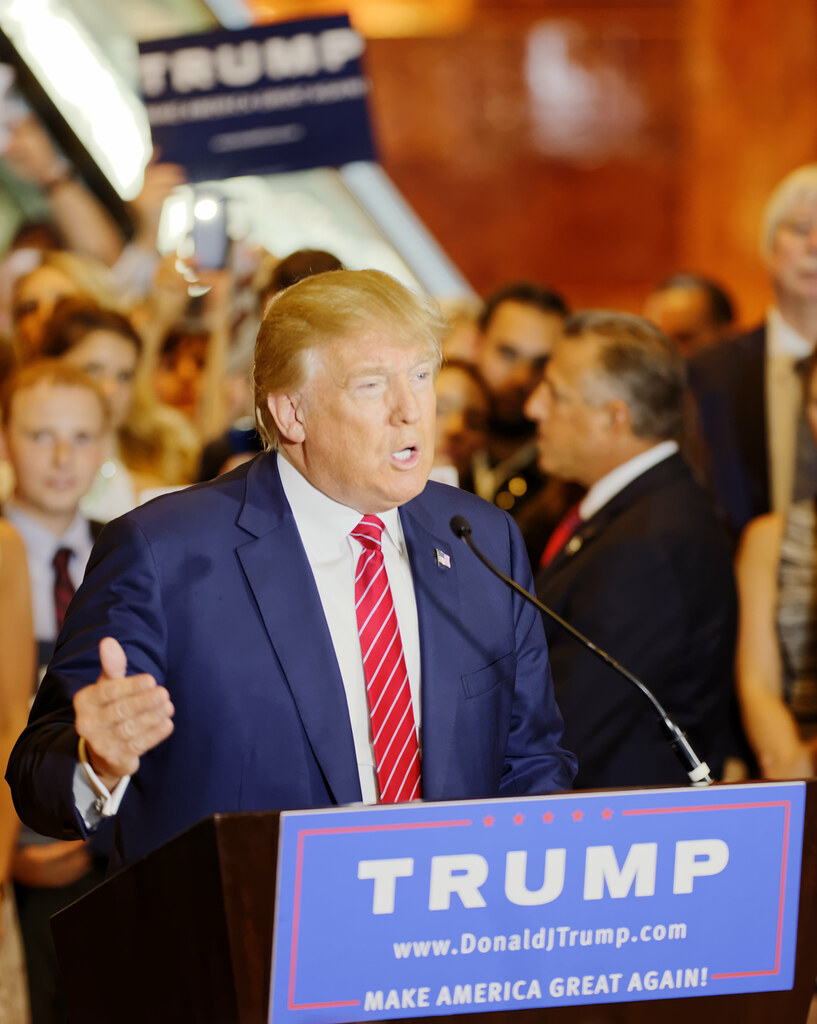
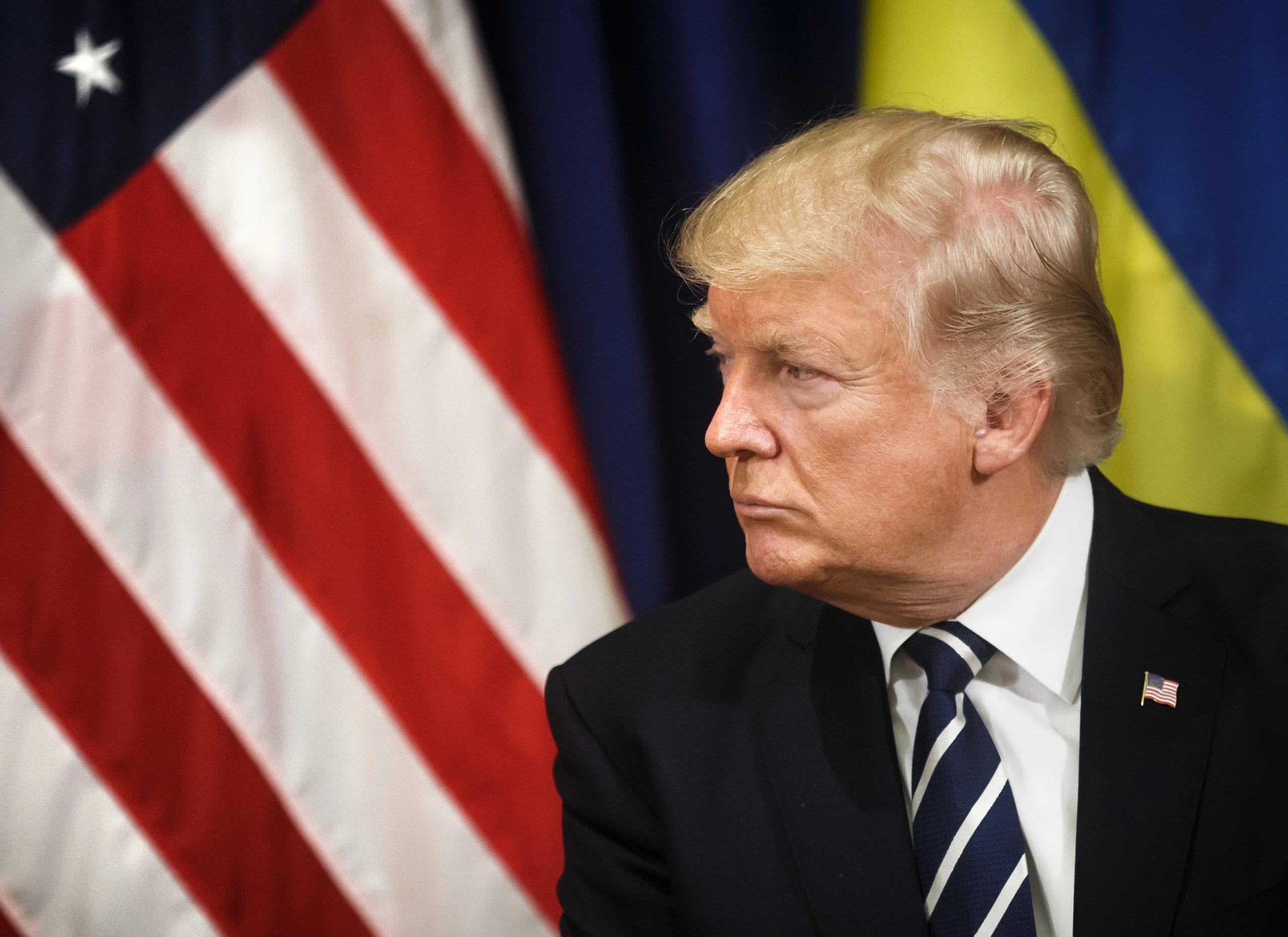
Donald Trump approved a nuclear agreement with Saudi Arabia that could give Saudi Arabia uranium enrichment capability for its civilian nuclear program, according to AP, a landmark US-Saudi nuclear deal expected to be formally announced as early as Wednesday. From Washington on July 21, 2026, two people familiar with the decision said the 30-year agreement may involve U.S. firms and reshape how the United States supports nuclear power in the kingdom.
Here is why the deal is considered landmark: enrichment is useful for civilian nuclear energy, but it is also the part of the fuel cycle that makes lawmakers and nonproliferation experts nervous.
What Trump approved
The agreement, as described by people familiar with the matter, would support Saudi Arabia’s long-running push to develop a civilian nuclear program with American help. It is expected to be submitted to Congress for review, according to AP.
The people who described the decision were not authorized to speak publicly because the announcement had not yet been made. The White House and Saudi officials in Riyadh did not immediately respond to AP requests for comment.
The deal could involve U.S. companies in building out the program over three decades. It could also allow the construction of a uranium enrichment facility in Saudi Arabia after a joint U.S.-Saudi study.
That last point is the center of the debate. Civilian nuclear cooperation is not new. Letting a regional power move closer to domestic enrichment is a far more sensitive step.
Why enrichment changes the stakes
Uranium enrichment is the process of increasing the concentration of the uranium isotope used as nuclear fuel. At low levels, enriched uranium can power reactors. At much higher levels, and with other technical steps, it can become part of a weapons program.
That does not mean a civilian enrichment facility automatically equals a bomb program. It does mean a country gains knowledge, equipment and leverage that can shorten the path if its leaders later choose to move in a military direction.
That is why the Saudi provision is likely to draw scrutiny from both parties in Congress. Lawmakers who support deeper ties with Riyadh may see the agreement as a way to keep the kingdom aligned with Washington and ensure U.S. standards shape the program. Critics will argue that Washington should not help spread enrichment technology in a region already defined by nuclear suspicion.
The tradeoff is familiar but uncomfortable: influence versus restraint. If the United States refuses, Saudi Arabia could seek technology elsewhere. If the United States agrees, it may be seen as loosening a line it has urged others not to cross.
The oversight question
Saudi Arabia is a member of the International Atomic Energy Agency, the Vienna-based organization that promotes peaceful nuclear use and inspects facilities to guard against secret weapons work.
But according to one person familiar with the agreement, AP reported that the deal is not expected to include the IAEA’s Additional Protocol. That protocol allows for more extensive monitoring, inspections and verification.
The absence of that extra layer would give critics a clear target. For a deal involving possible enrichment, the monitoring terms may matter almost as much as the reactors or companies involved.
Supporters may argue that any U.S.-backed framework would be better than a Saudi program developed with less transparent partners. Skeptics will ask why Washington would consider enrichment without the strongest inspection regime available.
Congress gets a say
The agreement is expected to go to Congress, where it could face headwinds. Nuclear cooperation with another country is not just an energy question; it touches foreign policy, arms control, regional alliances and commercial competition.
Some lawmakers will focus on Saudi Arabia’s strategic value. Riyadh is a major energy producer, a powerful Gulf monarchy and a longtime U.S. security partner whose ties with Washington have repeatedly survived sharp political strain.
Others will focus on precedent. The United Arab Emirates, Saudi Arabia’s neighbor, built its Barakah nuclear power plant after signing a U.S. nuclear cooperation agreement but did not seek enrichment. Nonproliferation experts have often pointed to that model as the safer path for countries that want nuclear power without raising weapons concerns.
If Congress views the Saudi deal as a departure from that model, the review could become a broader fight over whether U.S. nuclear policy is adapting to geopolitical reality or compromising a core nonproliferation principle.
Iran shadows the agreement
The timing is impossible to separate from Iran. AP noted that the expected announcement comes amid the war against Iran launched by the United States and Israel, in part to eliminate Tehran’s ability to develop a nuclear weapon. Iran has long insisted its enrichment program is peaceful.
For years, Western governments have argued that Iran’s enrichment activity creates a weapons risk even when Tehran says the goal is civilian. A U.S.-approved path for Saudi enrichment would immediately invite comparisons, even if the legal framework, inspections and alliances are different.
Saudi Crown Prince Mohammed bin Salman has previously suggested the kingdom could pursue a nuclear weapon if Iran obtained one. That statement is one reason enrichment in Saudi Arabia receives intense attention from arms-control specialists.
Regional dynamics have grown even more complicated. Saudi Arabia and nuclear-armed Pakistan recently signed a mutual defense pact after Israel attacked Qatar targeting Hamas officials, AP reported. Pakistan’s defense minister said his country’s nuclear program would be available to Saudi Arabia if needed, a statement widely read as a warning in a region where Israel is long believed to be the only nuclear-armed state.
What remains unclear
The public still has not seen the agreement’s text, the inspection language, the commercial terms or the conditions that would govern any enrichment facility. Those details will determine whether the deal is a symbolic diplomatic breakthrough, a major nuclear-industrial project or a proliferation fight that lasts for months.
It is also unclear how much freedom Saudi Arabia would have after the joint U.S.-Saudi study, what technology U.S. firms could provide, and whether Congress would seek to block, amend or condition the arrangement.
For Trump, the deal would mark a major bet on Saudi Arabia as a long-term nuclear energy partner. For Riyadh, it could advance a strategic goal the kingdom has pursued for years: building a domestic nuclear program without giving up the option of enrichment.
The clean takeaway is this: the agreement is about civilian power on paper, but its significance lies in the fuel cycle. If Washington helps Saudi Arabia approach enrichment, the decision could shape U.S. nuclear diplomacy in the Middle East for the next 30 years.



Leave a Reply