
The ruling underscores how judges can use contempt sanctions to pressure compliance, not just scold a litigant. It also adds to the legal fallout from Lindell’s long-running election claims.
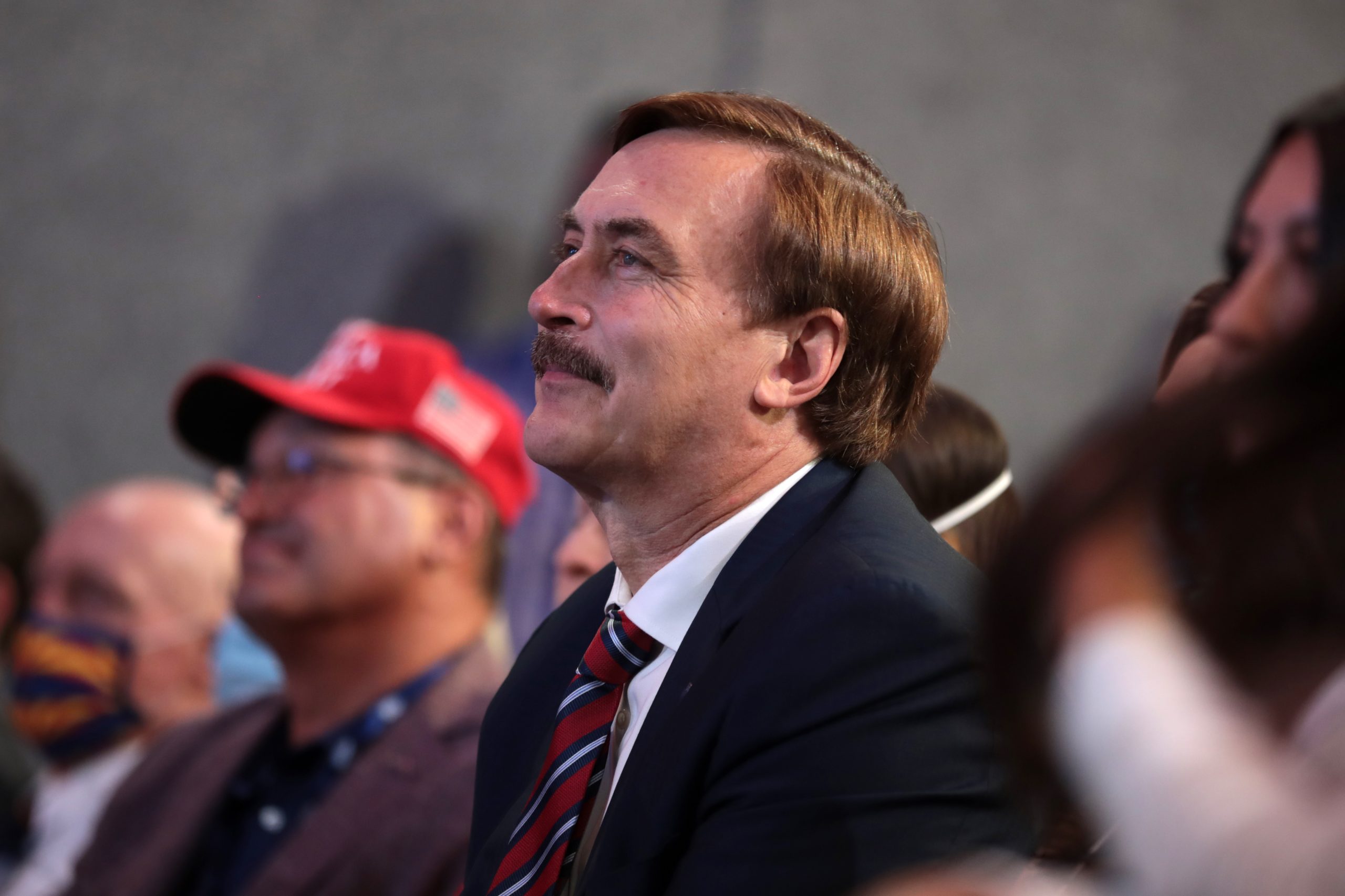
Mike Lindell, the MyPillow founder often described as the MyPillow guy, must pay an extra penalty in a lump sum directly to the court after a judge ruled that he defied court orders. The ruling, reported by Law & Crime and reflected in public docket summaries of Smartmatic-related litigation, turns a contempt finding into a direct sanction aimed at forcing Lindell to obey court commands now.
The point is not just whether Lindell pays. It is whether a high-profile litigant can resist discovery or payment orders and treat deadlines as optional while election-related defamation cases keep moving.
The order targets compliance
The judge’s ruling treats Lindell as more than late, disorganized or difficult. The court found contempt, a serious civil finding used when a party has failed to follow a clear court order and has not offered a legally sufficient excuse.

According to the Law & Crime report surfaced by MSN, the judge described Lindell as “recalcitrant” and ordered an extra penalty to be paid in one lump sum directly to the court. That detail matters because the sanction is not framed merely as reimbursement to an opposing party. It is an assertion of the court’s own authority.
Courts have several tools when litigants do not comply: fee awards, evidence sanctions, daily fines, contempt findings and, in rare circumstances, arrest orders. Civil contempt penalties are typically designed to coerce compliance or compensate for losses, not to punish in the criminal sense.
That distinction is important. Lindell has not been convicted of a crime in this contempt order. But a civil contempt finding can still carry real financial consequences and can escalate if noncompliance continues.
How Lindell reached contempt
The fight sits inside the larger legal aftermath of Lindell’s claims about the 2020 election and voting technology companies. Smartmatic sued Lindell in 2022, alleging he made false statements about the company’s role in the election. ABC News has reported that the company accused him of lying about Smartmatic as part of those post-election claims.
Public docket information on Justia lists an order in Smartmatic USA Corp. et al. v. Lindell et al. granting a motion for contempt and identifies Judge Jeffrey M. Bryan as signing a written order. The docket entry itself is brief, but it confirms that contempt has been granted in litigation involving Smartmatic and Lindell.
Separate reporting by KYMA, citing NBC, said a federal judge held the MyPillow founder in civil contempt for failing to pay $56,369 to Smartmatic in connection with claims the judge called “frivolous.” That report said Lindell had originally been ordered to pay the amount in January 2025 and had not done so.
The same report quoted the judge as writing that Lindell failed to establish an inability to pay that excused his noncompliance. It also noted the court’s finding that Lindell had paid for legal services in other proceedings after the sanction was entered.
Money, documents and leverage
Contempt fights often turn on a simple question: is the party unable to comply, or unwilling? Lindell has repeatedly presented himself publicly as under severe financial strain because of lawsuits, business losses and legal costs. Courts, however, do not accept a general claim of hardship by itself.
If a litigant says he cannot pay, judges can look at spending, fundraising, assets, business activity and payments made in other cases. KYMA’s report said the judge also pointed to Lindell’s Minnesota gubernatorial campaign making a $187,000 purchase of “Mike Lindell Books.”
Smartmatic’s position, in prior filings described by Law & Crime, has been that Lindell’s claimed poverty did not square with his public activities and spending. The company asked the court to “coerce his compliance” with penalties until he paid in full.
Lindell’s side has a different lens. He has long cast the litigation around his election claims as politically charged and financially draining. His supporters often view these cases as part of a broader campaign to silence him. The courts, though, are focused on narrower questions: whether orders were clear, whether he violated them, and whether he has a valid excuse.
Why direct payment matters
An order to pay an extra penalty directly to the court sends a different signal than an order to write a check to Smartmatic. It tells the sanctioned party that the harm is not only to the opposing side. It is to the judicial process itself.
Judges rely on compliance to keep cases moving. Discovery orders, deadlines and fee awards are not suggestions. If one party can ignore them without consequence, the opposing party spends more money, the court spends more time, and the case slows down.
That is why courts often use escalating sanctions. A first order may require payment of attorney fees. A later order may impose daily penalties. A contempt finding can add pressure by making the consequences more direct and more difficult to brush aside.
The Law & Crime headline’s “extra penalty” language suggests the judge saw ordinary orders as insufficient. The lump-sum requirement also reduces room for delay tactics. Instead of partial installments or rolling excuses, the court is demanding a single payment.
The election-case hangover
Lindell’s legal troubles are part of a wider wave of defamation and sanctions litigation that followed false claims about the 2020 election. Voting technology companies including Smartmatic and Dominion Voting Systems pursued lawsuits against media figures, allies of Donald Trump and others who promoted claims about election fraud.
Those cases have created two overlapping debates. One is about free speech and political advocacy: how much room public figures have to make allegations about elections, even explosive ones. The other is about accountability when those allegations are alleged to be false and damaging to private companies or individuals.
Courts are not deciding those broad political questions every time they issue a discovery order or sanction. Still, the fights over compliance are connected to the larger stakes. If a defendant refuses to produce documents or pay court-ordered fees, the merits of the underlying case can be delayed for months or years.
That delay can benefit one side and exhaust the other. It can also frustrate judges who are trying to move complex defamation cases toward resolution while managing appeals, motions and public attention.
What remains unresolved
The immediate question is whether Lindell pays the lump-sum penalty directly to the court and satisfies any outstanding orders. If he does, the contempt pressure may ease, though the underlying litigation can continue.
If he does not, the court could consider additional sanctions. KYMA previously reported that Lindell faced a $500-per-day fine for failure to pay the full $56,369 judgment to Smartmatic. Daily fines are a common civil contempt tool because they grow more expensive the longer a party refuses to comply.
There may also be appeals or further motions over the sanction, the amount owed, Lindell’s ability to pay and the scope of the court’s authority. Those details will determine whether this becomes a short compliance episode or another long-running side battle.
For now, the takeaway is clear: the judge is no longer just waiting for Lindell to follow orders. The court has attached a direct financial consequence to defiance, and it has done so in a way designed to make delay harder to sustain.



Leave a Reply