

The dispute is less about one image than about trust in a release process Congress ordered and the Justice Department controls. Officials say victim privacy drove the removal; critics want to know why files disappeared without a clear public explanation.
A photo of Donald Trump was removed from the Epstein files and later restored by the Justice Department, according to Reuters and the BBC. This article explains why the photo disappeared and reappeared, and why the document handling has raised transparency questions around Jeffrey Epstein records now under intense political scrutiny.
The Justice Department says the image was taken down temporarily after victim-protection concerns were raised, then reposted after a review found no Epstein victims were depicted in that photograph. The controversy is not simply that a Trump photo vanished. It is that files disappeared from a public database with little initial explanation.
The image that triggered scrutiny
The image at the center of the dispute was not a conventional portrait of Trump and Epstein. According to the BBC, it showed framed photos inside one of Epstein’s homes, including an open drawer containing a photo of Donald Trump with Jeffrey Epstein, Melania Trump and Epstein associate Ghislaine Maxwell.
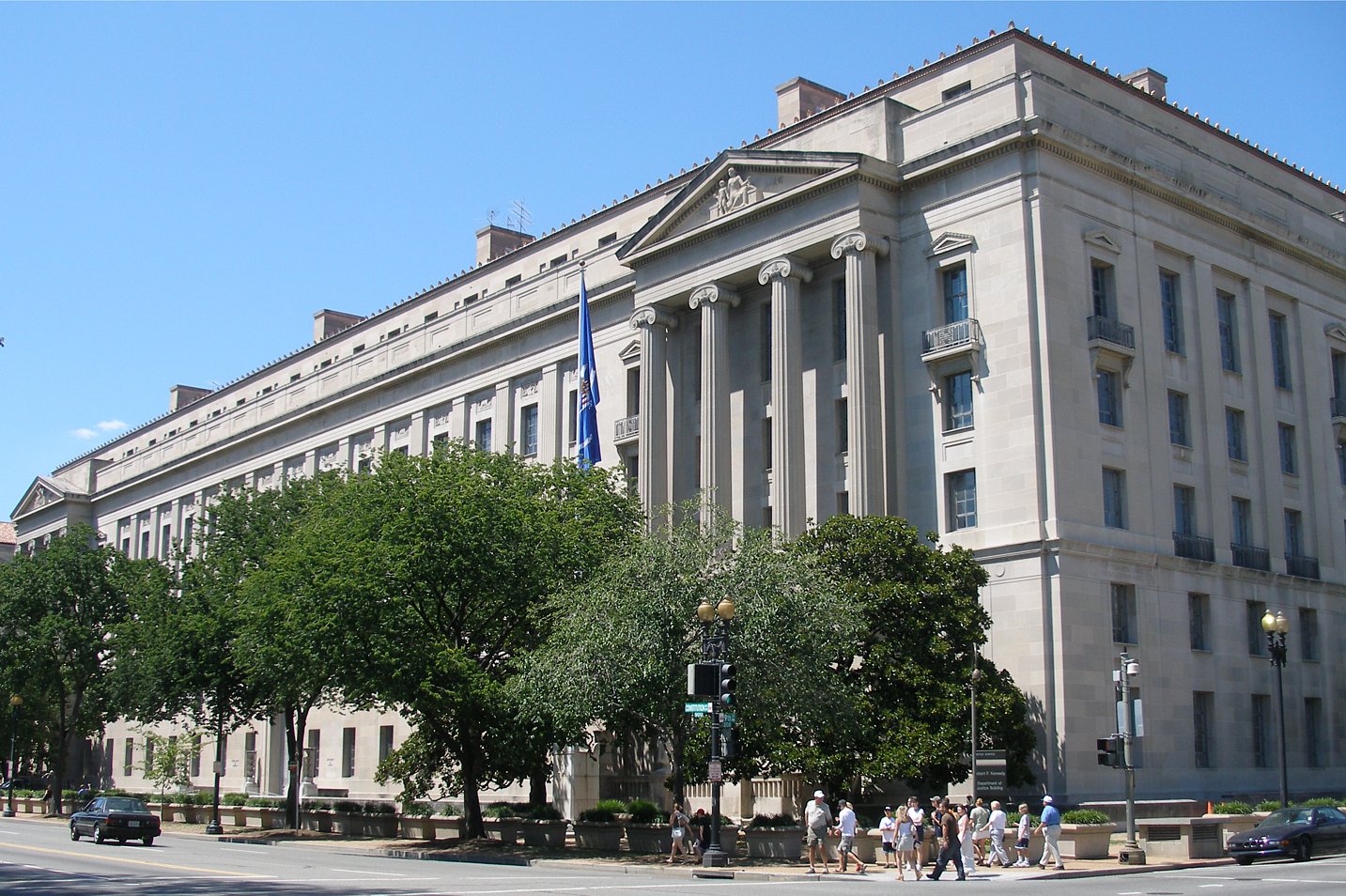
The BBC reported that the image was among items removed from the Justice Department website after thousands of Epstein-related files were released. Reuters also reported that the department later restored a photo of U.S. President Donald Trump to the public database.
That sequence — release, disappearance, restoration — landed in a political environment already primed for suspicion. Epstein’s network, the government’s past handling of his case, and years of secrecy around related materials have made even small document-management decisions feel consequential.
There is no evidence that the photo itself proves wrongdoing by Trump. The BBC noted that Trump has consistently denied wrongdoing in relation to Epstein and has not been accused of crimes by Epstein’s victims. The dispute is about access, redactions and whether the public can trust the release process.
DOJ says victims drove removal
The Justice Department’s public explanation centered on victim privacy, not politics. The department said on X that the image was flagged by the Southern District of New York for possible further action to protect victims, according to the BBC.
The department said the image was removed “out of an abundance of caution” for further review. After that review, the DOJ said it found “no evidence that any Epstein victims are depicted in the photograph” and reposted it “without any alteration or redaction,” the BBC reported.
Deputy Attorney General Todd Blanche also rejected the idea that the image was removed because Trump appeared in it. He told NBC News, according to the BBC, that the suggestion was “laughable” and said the removal had “nothing to do with President Trump.”
Blanche’s point was that many images of Trump with Epstein have already been public for years. If the department wanted to hide the existence of their social connection, he argued, pulling one image from a much larger cache would make little sense.
Why the explanation did not settle it
The department’s explanation answered one narrow question: why officials say this image was pulled. It did not fully answer the broader transparency concern: why files could disappear from a public release without an immediate, visible notice explaining what changed.
The BBC reported that at least 13 files from the larger release had disappeared from the website without explanation by Saturday. That detail matters because the Epstein files are not ordinary government records. They involve victims of sexual abuse, powerful people, prior prosecutorial decisions and a public release ordered by Congress.
Democrats on the House Oversight Committee questioned the removals, asking Attorney General Pam Bondi on social media, “What else is being covered up?” The question was politically loaded, but it reflected a real process problem: when public files are removed, people want a chain of custody and a reason.
The tension is obvious. Victims’ privacy can require caution, redaction or temporary removal. But unexplained changes to a politically explosive archive can also feed the perception that officials are curating the record for reasons they are not disclosing.
Victim privacy complicates release
The hardest part of the Epstein files release is that transparency and victim protection are both legitimate demands. The public has a strong interest in knowing how Epstein operated, who enabled him and how authorities handled the investigation. Survivors have a strong interest in not being exposed again through government publication.
The Justice Department has said it redacted personally identifiable information about victims, material depicting child sexual abuse, material depicting physical abuse, records that could jeopardize an active federal investigation and classified material tied to national defense or foreign policy, according to the BBC.
That is a wide set of carve-outs. Some are straightforward. Others leave room for judgment calls. A photo on a wall, a face in the background, a name in a memo or an image that appears harmless to the public may still raise concerns for victims or investigators.
The BBC reported that other removed files appeared to show the same room in Epstein’s home, including a small massage room with wall images in which some faces were redacted inconsistently. That kind of inconsistency is exactly what makes the public record feel unstable, even when officials say they are trying to avoid harm.
Congress wanted a fuller release
The current fight also reflects a deeper frustration: Congress forced the Justice Department to release Epstein-related materials, but many critics say the result still feels incomplete. The BBC reported that the department was already under fire for not releasing all files by the Friday deadline required by law.
Representative Thomas Massie, a Kentucky Republican who pushed for release of the files, said he was frustrated with the Trump administration’s response and focused on justice for victims. According to the BBC, Massie told CBS News that officials were “flouting the spirit and the letter of the law” and said he would not be satisfied until survivors were satisfied.
That critique shows the controversy does not divide neatly along party lines. Democrats raised concerns about possible cover-up. A Republican lawmaker who advocated release also criticized the administration’s handling. The common theme is distrust of a process that depends heavily on the Justice Department’s discretion.
The department, meanwhile, is operating under competing pressures: comply with Congress, obey court and victim-rights obligations, protect sensitive material and avoid creating a misleading public record. In a case as politically radioactive as Epstein’s, every omission can look intentional.
The real issue is the audit trail
The restored Trump image may end up being less important than the way it moved in and out of the public database. If officials remove records for review, the public record should ideally show what was removed, when it was removed, who ordered the review, and when the item was restored or permanently withheld.
That kind of audit trail would not require exposing victims. It would help separate good-faith privacy review from speculation about political interference. It would also make it harder for any administration to quietly reshape a release after the fact.
For now, the Justice Department’s position is clear: the Trump image was removed because of victim-protection concerns and restored after review. Critics’ concern is also clear: a release this sensitive cannot rely on trust alone.
The unanswered questions are procedural, not photographic. How many files were removed? Were all removals tied to victim privacy? Will the department publish a complete log of changes? Until those answers are public, the reappearing Trump photo will remain a symbol of the larger problem surrounding the Epstein files: transparency is not just what gets released, but how honestly the release is managed.










Leave a Reply