
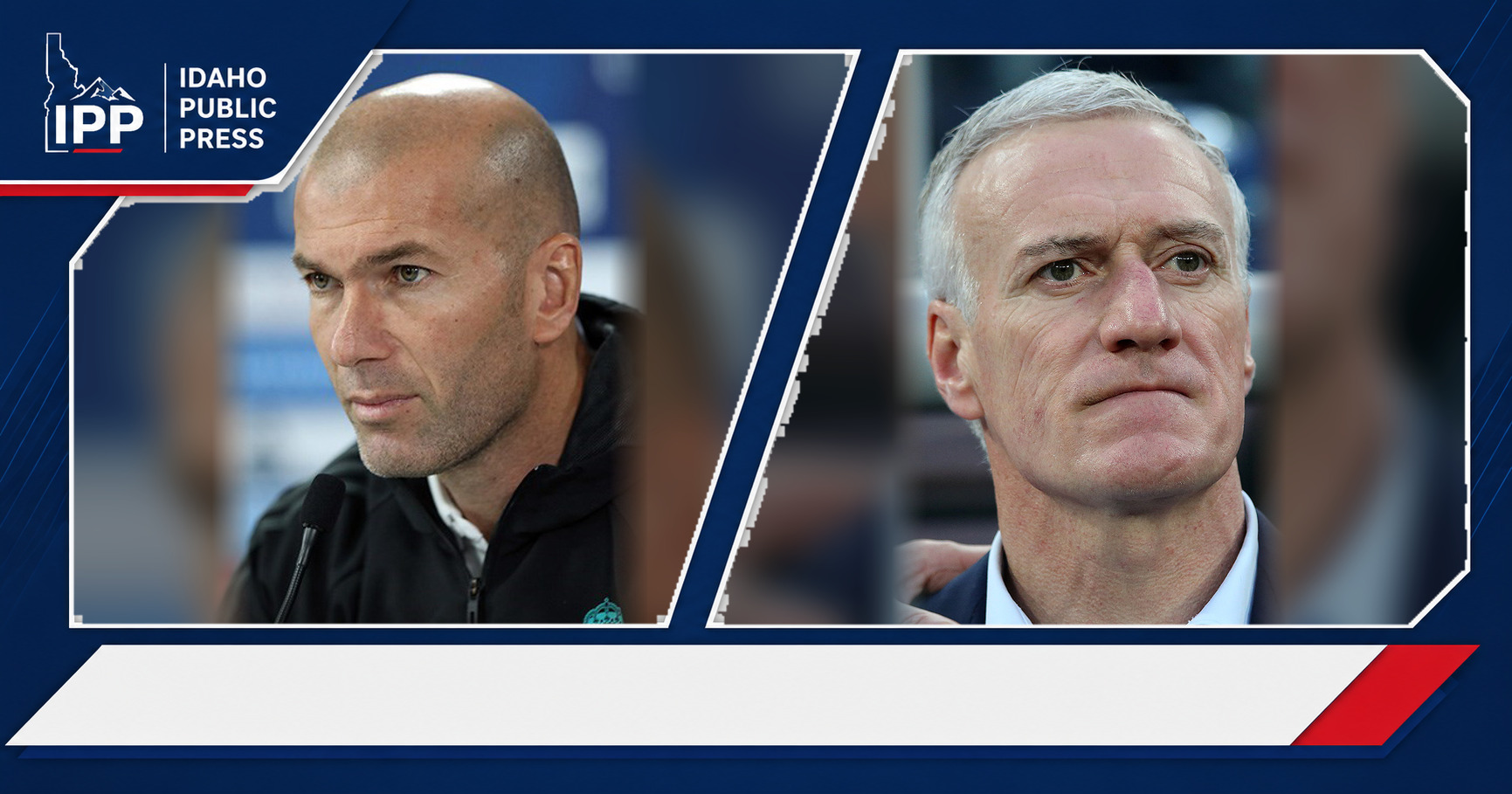
France gets its most symbolic coaching handoff in a generation: the creative icon of 1998 replacing the captain who built a ruthless modern contender. The romance is obvious, but Zidane now inherits one of soccer’s most demanding jobs.
Zinedine Zidane has been appointed head coach of France’s men’s national team, a move the French Football Federation unveiled Tuesday at its headquarters in Paris. The appointment fulfills his childhood dream: Zidane realizes childhood ambition by taking over as Les Bleus boss, replacing Didier Deschamps on a four-year contract that starts August 1 and launches France into its 2026 World Cup cycle.
The former Real Madrid coach, out of management since 2021, waited for this. Federation president Philippe Diallo said talks began in February 2025 after Deschamps made clear he would leave; Zidane’s first test arrives in September.
A dream job, finally claimed
Zidane’s return to the French national setup is heavy with symbolism, but the message from his unveiling was simple: he wanted this job more than any club offer on the table.
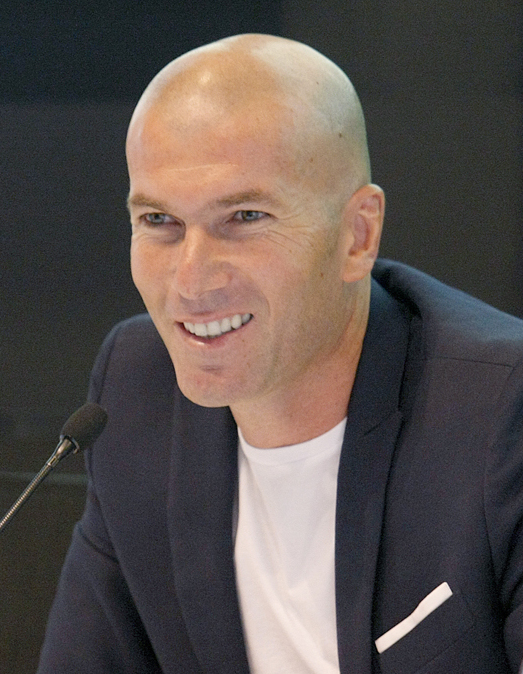
According to AP, Zidane said he had waited five years for the chance and called it the happiest day of his coaching career. He said he had watched France “as a fan and also as a future coach,” making clear that his post-Real Madrid patience was not accidental.
That matters because Zidane was not short of options. After leaving Real Madrid in 2021, he was regularly linked with elite club jobs. Instead, he held out for France, turning the appointment into a test of both ambition and restraint.
Diallo framed the hire as “an exceptional moment,” calling Zidane one of French soccer’s legends. That is not ceremonial language. In France, Zidane is not only a former great player; he is part of the country’s modern sporting identity.
Deschamps leaves a winning machine
Zidane replaces a coach whose résumé is difficult to dismiss. Deschamps won the 2018 World Cup, reached the 2022 World Cup final and kept France near the top of international soccer for more than a decade.
That success also created tension. Deschamps’ France could be pragmatic, controlled and brutally efficient, but critics argued that a squad loaded with attacking talent should have played with more freedom and won even more.
The handoff is unusually personal. Deschamps captained France to the 1998 World Cup and Euro 2000, while Zidane was the creative force, the No. 10 whose two headers against Brazil made him a national hero. Now the captain’s era gives way to the playmaker’s.
Zidane publicly praised Deschamps, saying he wanted to congratulate “DD” for his remarkable years. That tone matters. He inherits not a collapsed project, but a high-functioning team with expectations set almost impossibly high.
Zidane promises a different France
The early tactical intrigue is obvious: Zidane said France would play differently than it did under Deschamps. He did not present a full blueprint, but his comments pointed toward a coach shaped by the instincts of a former creator.
“What motivates me is the game,” Zidane said, according to AP. “I was a No. 10, I like goals.” It was a short line, but it landed as a contrast with the Deschamps years, when France often trusted structure, transitions and tournament management.
That does not mean Zidane will turn France into a reckless attacking side. His Real Madrid teams could be flexible and unsentimental, and his three Champions League titles as Madrid coach were built on managing stars, moments and pressure as much as tactics.
The open question is how quickly he can translate club instincts to international soccer. National team coaches get less training time, fewer tactical repetitions and little margin for experimentation once competitive matches arrive.
The calendar gets serious fast
Zidane’s first match is scheduled away to Turkey in the Nations League on Sept. 25, followed by a trip to Belgium three days later. His first home match comes Oct. 2 at the Stade de France against Italy.
That Italy match carries extra history. It comes 20 years after Zidane was sent off in the 2006 World Cup final against Italy for headbutting Marco Materazzi, one of the most replayed moments in soccer history.
For Zidane, the return is not just nostalgic. It is a chance to reset the public image of his France story from brilliant player to national coach responsible for results.
September will also show how much of Deschamps’ structure remains. Zidane may want a more expressive France, but his first responsibility is stability: keeping an elite team coherent while beginning to stamp his identity on it.
The romance comes with pressure
There are two reasonable ways to read this appointment. One is emotional: France’s most revered modern player has finally taken the job he always wanted. For fans who grew up with Zidane’s 1998 and 2000 heroics, that alone feels momentous.
The other reading is colder. Zidane is walking into a role where anything short of competing for major trophies will be viewed as underperformance. France is not rebuilding from the floor; it is trying to convert another loaded generation into silverware.
His Madrid record gives him credibility, especially with superstar players. He managed egos, rotated authority and won under relentless scrutiny. But international management asks different questions: squad selection becomes a national debate, tactical choices are judged over tiny sample sizes, and every tournament exit becomes a referendum.
The Deschamps comparison will follow him from the first whistle. If Zidane makes France more attractive but less secure, critics will pounce. If he keeps the structure too familiar, others will ask what really changed.
What remains unclear
The French Football Federation has answered the biggest question by naming Zidane. The next questions are practical: who joins his staff, how he balances veteran leadership with emerging players, and how quickly he shifts France’s attacking shape.
There is also the matter of public patience. Zidane’s status buys goodwill, but not unlimited time. The four-year contract gives the federation a full cycle, yet the September matches will immediately set the tone.
For now, the appointment works because it matches desire with timing. Zidane waited for France, France waited for the end of Deschamps’ era, and both sides now get the storybook unveiling.
The harder part starts after the applause outside the federation headquarters fades. Zidane has his dream job. France will soon find out what kind of Les Bleus boss he intends to be.



Leave a Reply