
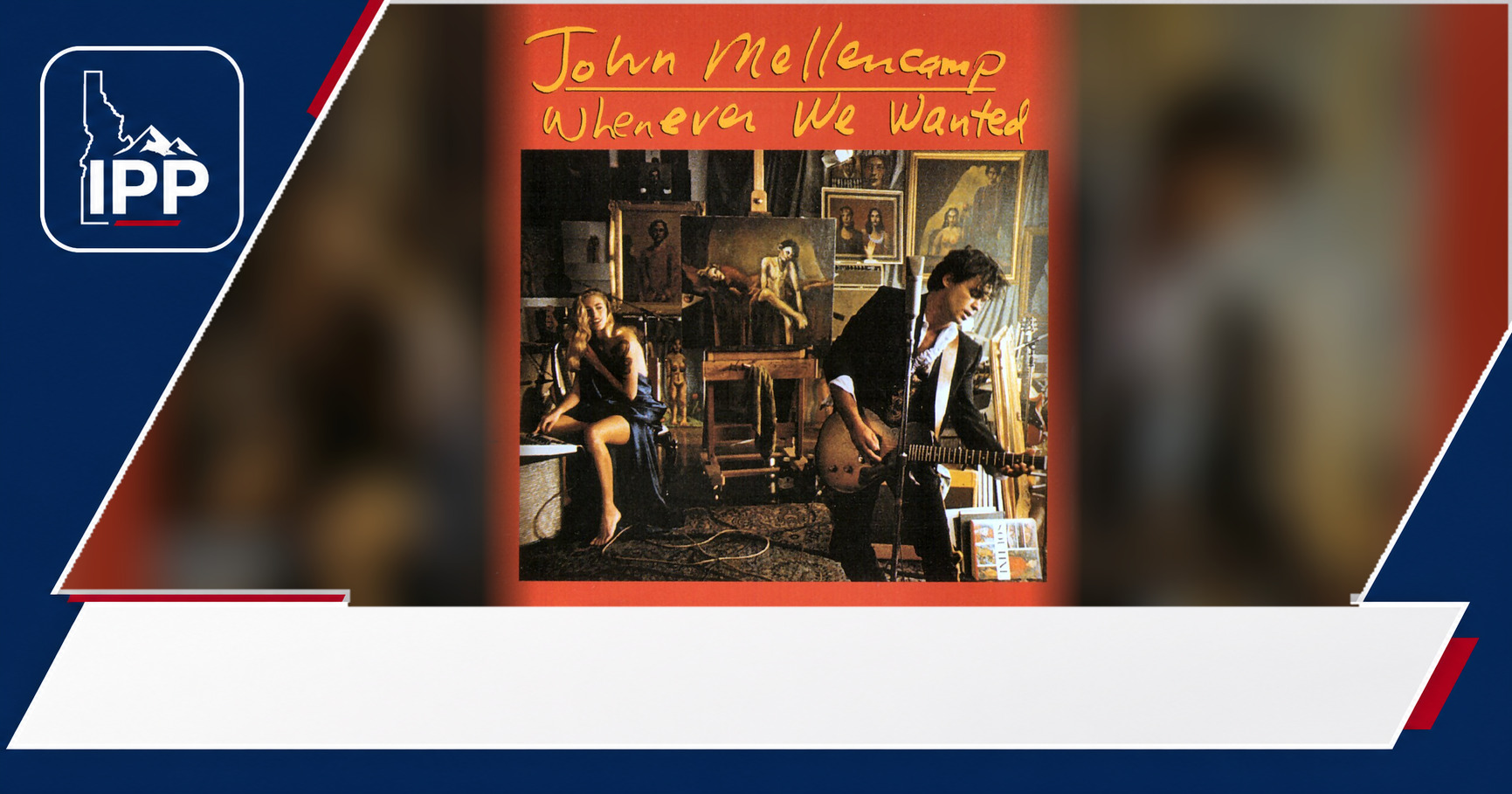
A concert-stage aside became another flashpoint over President Trump’s renaming push. The fight is less about one lyric than about who gets to define national symbols.
The White House responded to John Mellencamp’s criticism of the “Gulf of America” name change after the singer criticized President Trump’s decision to rename the Gulf of Mexico during recent performances, including a July 25 show in Holmdel, New Jersey.
The exchange matters because a geographic label has become a political loyalty test: Trump directed federal agencies to use “Gulf of America,” while Mellencamp publicly said he was “not buying it.” The White House answered with a culture-war swipe.
A lyric became the flashpoint
Mellencamp’s objection surfaced in the middle of “Pink Houses,” one of his best-known songs and one that includes a reference to the Gulf of Mexico. According to footage cited by The Hill, he paused during the song’s third verse at more than one recent stop on his “Dancing Words Tour” to mock the change.
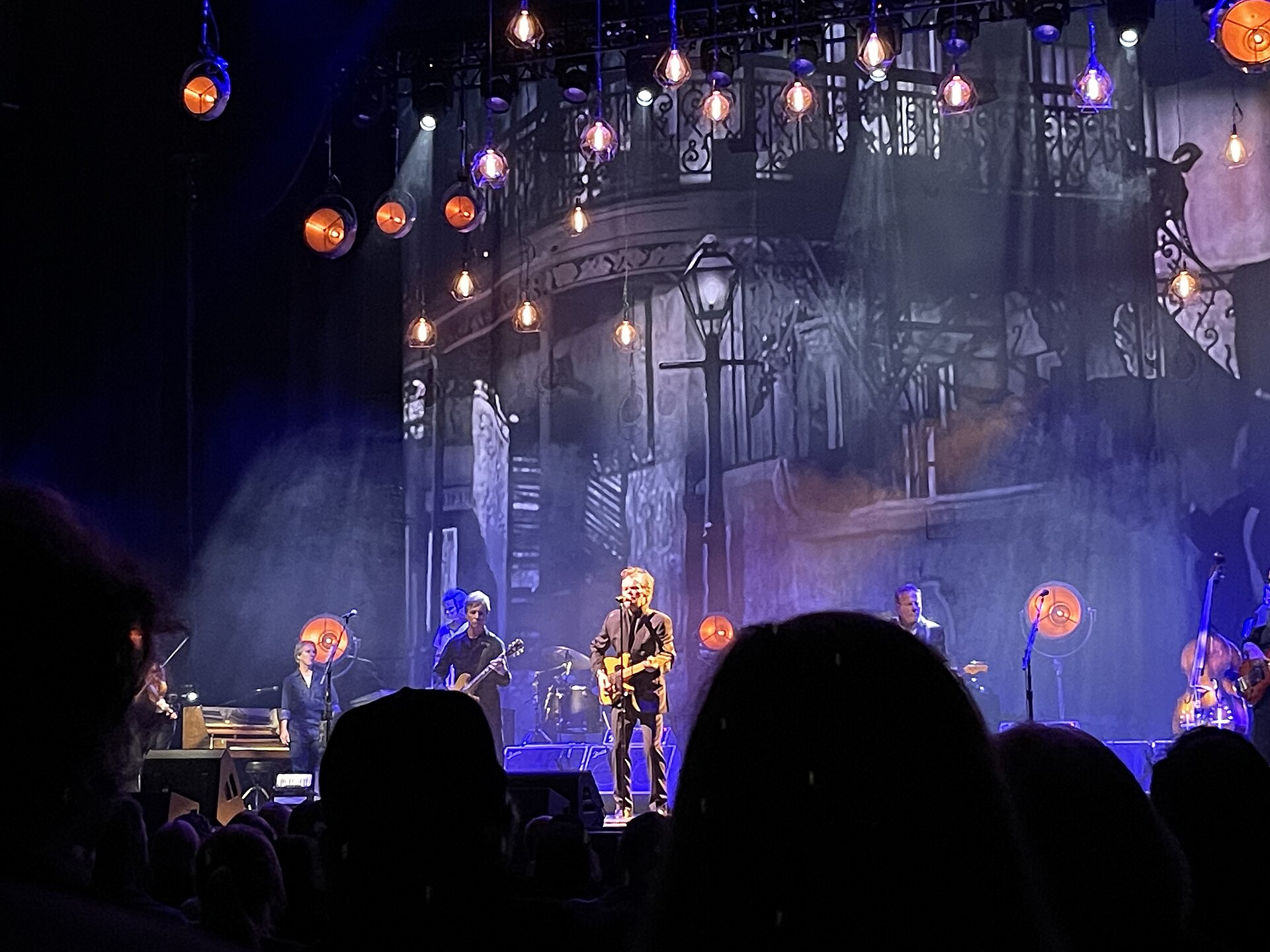
At the Holmdel concert, Mellencamp asked the crowd, “Wait a minute. The Gulf of Mexico? Is that right? It’s not the Gulf of America?” He then called the idea “stupid” using an expletive.
Another recent video showed Mellencamp saying the name had been changed but that he was “not buying it,” adding, “That’s just not right.”
Those remarks turned a familiar concert moment into a national political headline because they hit several live wires at once: Trump’s use of executive power, public resistance to symbolic changes, and the recurring clash between conservative officials and celebrity critics.
The White House chose mockery
White House spokesperson Davis Ingle responded to Mellencamp in a statement to The Hill with a blunt dismissal rather than a policy defense.
“Nobody in their right mind cares what out-of-touch, woke Hollywood celebrities have to say,” Ingle said.
The phrasing is notable because Mellencamp’s public image has long been tied less to Hollywood than to Midwestern working-class themes. He has reportedly lived in Bloomington, Indiana, since the 1970s, and much of his music trades on small-town, populist imagery.
That contrast is part of why the response landed as more than a throwaway insult. The White House framed the disagreement not as a dispute over geography or federal naming rules, but as another example of elite celebrity politics — even when the celebrity in question built a career on distancing himself from coastal glamour.
Trump’s rename push
The dispute traces back to Trump’s directive for federal agencies to refer to the Atlantic ocean basin long known as the Gulf of Mexico as the “Gulf of America.” The Hill reported that Trump first signed an executive order instructing agencies to use the new name.
The House later passed a bill that would codify the name change, but the Senate has not taken up a vote, according to the same report. That leaves the change politically prominent but not fully settled through Congress.
Supporters have cast the renaming as a matter of national pride. Rep. Marjorie Taylor Greene, a Georgia Republican, argued on the House floor in May 2025 that “names matter,” comparing the care parents take in naming a child to the pride she said Americans should take in national names.
Opponents, including Democrats and some moderate Republicans, have criticized the move as a frivolous use of time and resources. Their argument is not only that the old name is familiar, but that Congress and the administration have more urgent matters than relabeling a major body of water.
Why this fight sticks
Place names are rarely just labels. They carry history, identity, maps, school lessons, weather reports, tourism campaigns and habits of speech. Changing one can look either patriotic or performative, depending on the politics of the person hearing it.
For Trump’s allies, “Gulf of America” fits a broader style of politics that emphasizes national pride, blunt symbolism and visible breaks from convention. A name change is easy to understand, easy to repeat and easy to defend as a statement about putting America first.
For critics, the move looks like government theater: a symbolic change that invites fights over maps and language while doing little to address material problems. Mellencamp’s stage remarks captured that skepticism in a form more direct than a floor speech or policy memo.
That is why the White House response leaned into identity rather than process. Calling Mellencamp “woke” and “Hollywood” placed him inside a familiar political frame, even though the original criticism was about a name he sings in a decades-old song.
Mellencamp and Trump history
Mellencamp’s comments did not come from a politically neutral place. He has previously distanced himself from Trump and his policies, according to The Hill.
In 2017, Mellencamp said in an MSNBC interview that he viewed Trump as “the worst president ever,” though he did not use Trump’s name explicitly. That same year, he told Katie Couric he would not have performed at Trump’s inauguration if asked.
He did, however, perform at a 2009 inauguration celebration for President Barack Obama. Mellencamp has also said he does not trust politicians across party lines, telling MSNBC, “I trust no politicians. None. Democrat, Republican, Independent — they all have an agenda.”
That history gives the White House an easy opening to cast his criticism as partisan. It also complicates the caricature: Mellencamp is not simply a party messenger, but an artist who has made anti-politician cynicism part of his public voice.
What remains unsettled
The immediate facts are clear: Mellencamp mocked the “Gulf of America” name during recent shows, and the White House answered by dismissing him as an out-of-touch celebrity. The larger practical picture is less tidy.
Federal agencies may follow Trump’s directive, but public language does not change by order alone. Musicians, newsrooms, mapmakers, teachers, state officials and ordinary people can continue using familiar names, especially when a term has been in use for generations.
The Senate’s inaction also matters. Without a completed legislative push, the renaming remains vulnerable to political reversal or uneven adoption. That uncertainty helps explain why a short concert aside could travel so far: the name is still contested, and both sides see value in keeping the fight visible.
The clean takeaway is that the Mellencamp episode is not really about whether one rock singer approves of a map label. It is about how symbolic decisions become political battlegrounds — and how quickly a lyric can become a referendum on power, pride and who gets to name America’s shared places.







Leave a Reply