
The reported strike is about more than one vessel. It lands in a moment when Ukraine, Iran, Russia and the United States are increasingly tangled in the same security argument.
Ukraine struck an Iranian tanker or vessel, and The Telegraph framed the strike as a message to Donald Trump at a moment when U.S.-Iran tensions are already centered on shipping, oil and the Strait of Hormuz. The geopolitical significance of the attack is not just that Kyiv hit a target linked to Iran; it is that Ukraine appeared to be pointing at the wider network helping Russia, while also reminding Washington that pressure on Tehran and Moscow now overlaps.
That makes the strike politically larger than its immediate military effect. For Trump, who has put Iran’s shipping and Gulf security back near the center of U.S. foreign policy, the episode tests whether Ukraine can force its war with Russia into America’s Iran debate.
A strike with two audiences
The first audience is Iran. Ukraine has spent years arguing that Tehran is not a distant bystander in Russia’s war, because Iranian-designed drones and military technology have been tied to Moscow’s campaign against Ukrainian cities and infrastructure.
By striking an Iranian tanker or vessel, Kyiv is signaling that the costs of helping Russia may not remain confined to the battlefield inside Ukraine. That does not automatically mean Ukraine wants a broader war with Iran, but it does suggest Kyiv is willing to hit symbols and logistics connected to Russia’s outside supporters.
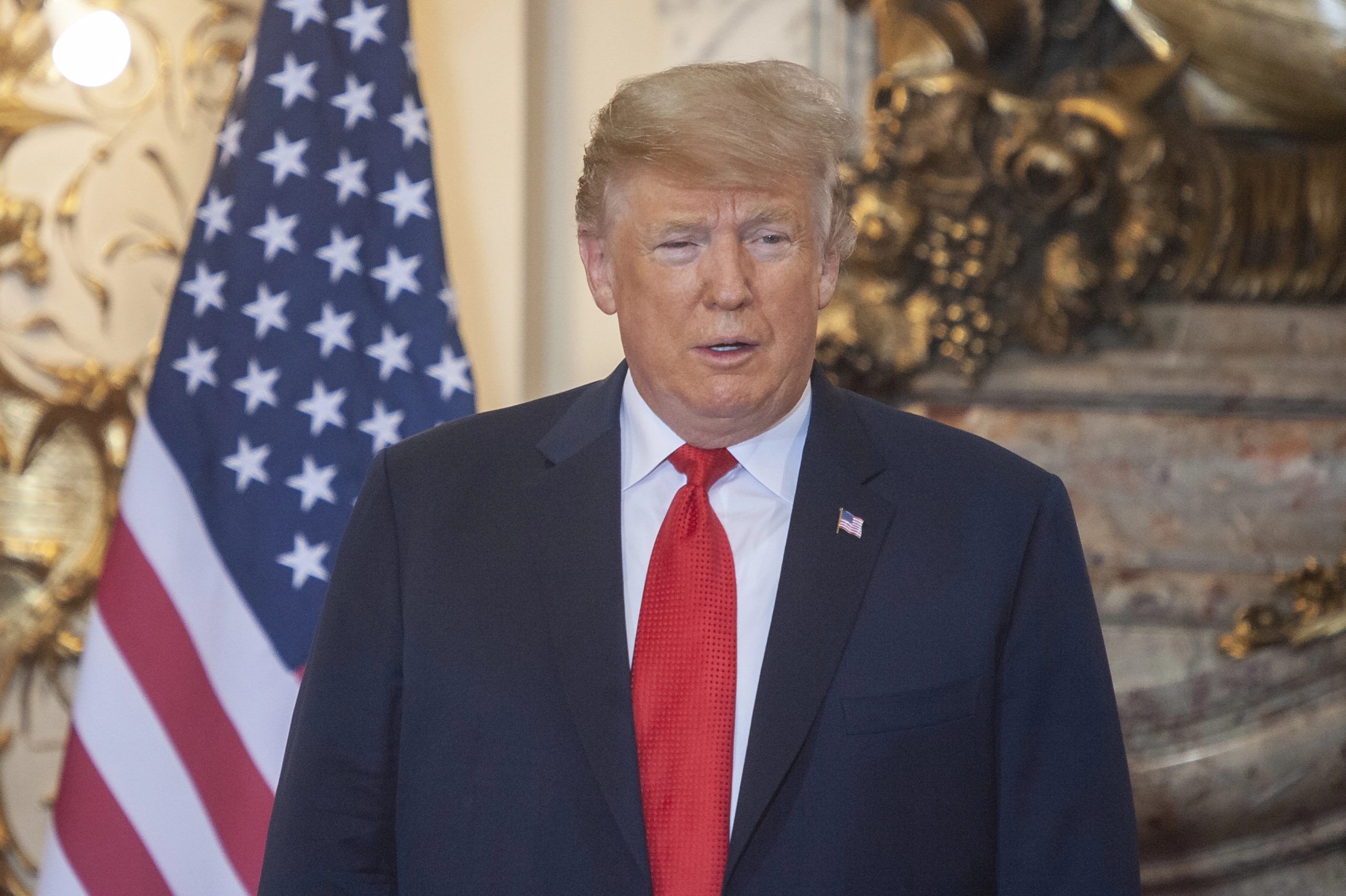
The second audience is Donald Trump. The Telegraph’s framing matters because Trump’s view of Ukraine aid, Iran policy and U.S. military commitments has become a central question for allies and adversaries alike. Kyiv has an incentive to make its war look inseparable from the threats Trump already says he wants to confront.
In plain terms, Ukraine’s message is this: Iran is not only a Middle East problem, and Russia is not only a European problem.
Why tankers matter politically
Tankers are not just commercial assets. In a conflict shaped by sanctions, energy revenue and maritime chokepoints, ships can become floating pieces of state power.
That is why a strike on an Iranian tanker carries a different meaning than a strike on an ordinary military target. It touches oil flows, insurance costs, naval security and the perception that no actor can assume its supply routes are untouchable.
The Congressional Research Service has described the Strait of Hormuz as a critical chokepoint for global oil and natural gas markets. Its analysis notes that the Strait is narrow, hard to bypass and difficult to replace quickly if shipping is disrupted.
That gives any tanker incident involving Iran immediate strategic weight. Even when a single vessel is involved, governments and markets watch for signs of a pattern: retaliation, escalation, sanctions enforcement or a new front in an existing war.
Trump’s Iran stance raises stakes
Reuters has reported that President Donald Trump reinstated a blockade of Iranian shipping and proposed charging a 20% fee to guard the Strait of Hormuz. That context is important because Ukraine’s reported strike lands in the middle of an already militarized argument about who controls movement at sea.
For Trump, the tanker strike can be read in two ways. One interpretation is that Ukraine is aligning itself with a harder line against Iran and showing that it can act against Tehran-linked interests without waiting for Washington.
Another interpretation is more complicated: Ukraine may be trying to pull the United States deeper into a merged Russia-Iran confrontation at a time when Trump has often been skeptical of open-ended commitments abroad.
That tension is the point. Kyiv’s strongest pitch to Trump is not moral appeal alone. It is strategic relevance: support Ukraine, and you also weaken a network that includes Iran and pressures U.S. interests in the Gulf.
Hormuz is the pressure point
The Strait of Hormuz is where this story becomes bigger than Ukraine. The Congressional Research Service says Iranian forces declared the Strait closed in March 2026 and that the U.K. Maritime Trade Operations Centre had reported 10 attacks on ships by March 8, with five crew members killed on two vessels.
CRS also noted that the U.S. Maritime Administration warned ships to stay 30 nautical miles from any U.S. Navy vessel. That kind of warning shows how quickly commercial shipping risk can become a military problem.
For oil markets, even uncertainty can be expensive. CRS reported that war-risk insurance can be recalibrated during conflict and that premiums had reportedly risen to four or five times previous levels.
Ukraine’s strike on an Iranian vessel therefore enters a maritime environment already primed for overreaction. A tanker hit in or around an Iran-linked shipping network is not just a Ukrainian war story; it can be read in Tehran, Moscow, Washington and Gulf capitals at the same time.
Kyiv is widening the map
Ukraine’s strategic problem is that time favors Russia if Western attention drifts. A strike with Iranian symbolism helps Kyiv widen the map and argue that the war is not a regional dispute to be managed quietly.
That does not mean every Ukrainian action is risk-free. Hitting a vessel linked to Iran may invite retaliation, complicate relations with countries worried about shipping security, or give critics an argument that Kyiv is broadening the conflict beyond its borders.
Supporters of Ukraine will see the strike differently. They will argue that Iran made itself part of the war by supporting Russia, and that Ukraine has a right to impose costs on those enabling attacks against Ukrainian civilians and infrastructure.
The divide is likely to shape how the Trump administration, Congress and European governments assess the move. Is it deterrence, escalation, or a calculated attempt to make the Russia-Iran relationship impossible to ignore?
What remains unclear
Important details remain unresolved in the public record available from the trend signal. The exact location of the strike, the vessel’s condition, its cargo, casualties if any, and the operational method have not been established here by official statements.
That matters because maritime incidents can be misread quickly. A damaged tanker, a military-linked ship and a commercially registered vessel can all carry different legal and diplomatic implications.
It is also unclear how Trump will respond. He could treat the strike as validation of a tougher Iran policy, as a reason to coordinate more closely with Ukraine, or as an unwanted escalation that complicates his control over U.S. involvement in multiple theaters.
The cleaner takeaway is that Ukraine is no longer only asking Washington to see Russia through Europe’s eyes. With this strike, Kyiv is trying to make Trump see Iran, Russia and maritime security as one connected problem.











Leave a Reply