
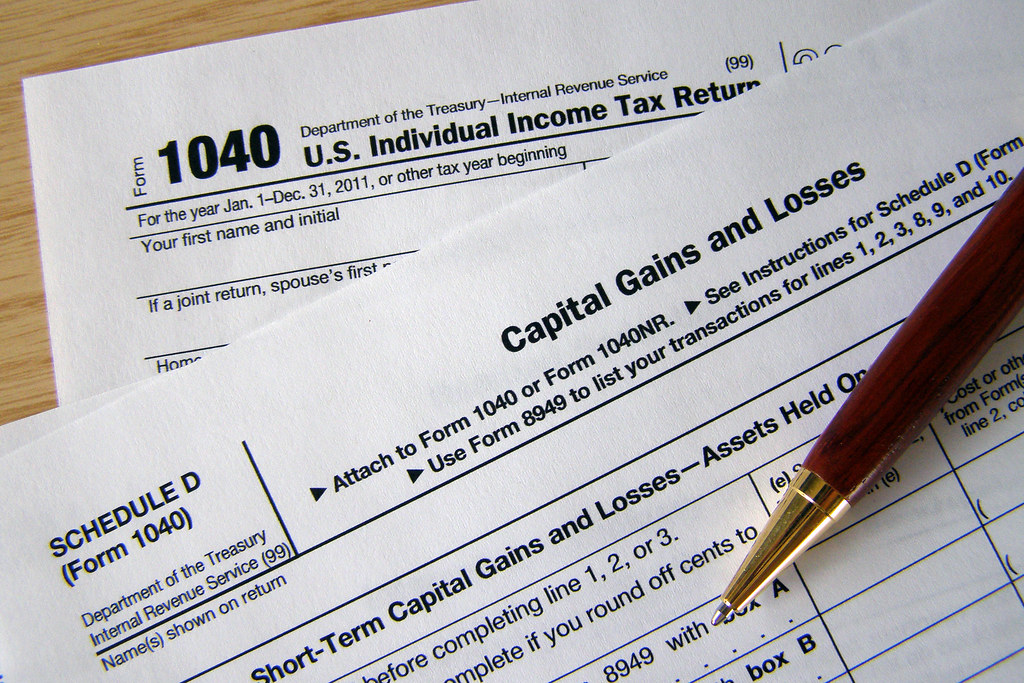
The proposal is meant to tackle NHS backlogs and reshape social care in England, but critics say it breaks a tax promise and puts too much of the burden on workers.
Workers in the UK are set to face a new tax to fund social care after the UK government set out a social care funding plan on Tuesday: a 1.25 percentage-point rise in National Insurance from April 2022, paid by workers and employers.
The plan is designed to raise £12bn a year for health and social care, with money aimed mainly at NHS backlogs and England’s care system. Investors would also be affected through a matching 1.25% increase on dividend tax.
A tax rise with two jobs
The policy is being sold as one tax rise with two urgent missions: clearing the pressure on the NHS after Covid and changing how people in England pay for long-term care.
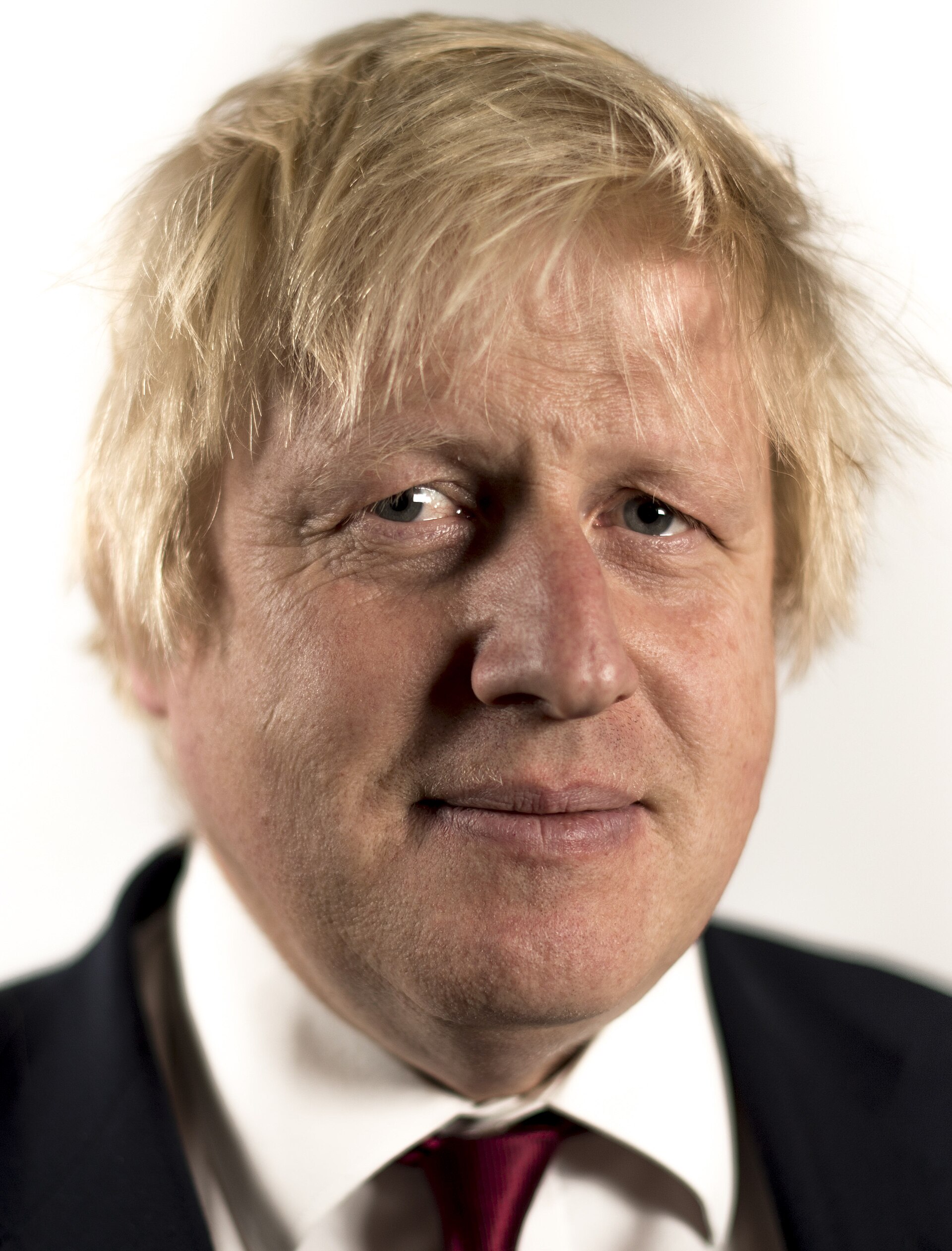
According to BBC reporting on the announcement, then-prime minister Boris Johnson said the extra money would raise about £12bn a year. The majority would initially go toward the NHS, including hospital capacity and a promise of millions more appointments, scans and operations.
A smaller but politically central share would go to social care. The government said £5.4bn over three years would support reforms to England’s care system, with more promised later.
That split is already one of the pressure points. The word social care is doing much of the public-facing work, but the first call on the money is the health service backlog. Supporters argue the two systems are linked. Critics say social care risks once again being pushed behind the NHS queue.
Who pays under the plan
The first stage is not a brand-new line on payslips. From April 2022, National Insurance would rise by 1.25 percentage points for both employees and employers.
From 2023, the increase would become a separate health and social care levy on earned income, calculated in a similar way to National Insurance. The government said it would be legally ring-fenced for health and social care costs.
The levy would be paid by working adults, including older workers who continue earning. Employers would also pay more through their National Insurance contributions, a cost that business groups and economists often warn can feed into wages, hiring or prices.
Investors are not left out entirely. Dividend tax would also rise by 1.25 percentage points, affecting people who receive income from shares in companies. That matters politically because one of the main criticisms of a National Insurance-based rise is that it falls most heavily on work rather than wealth.
What social care changes mean
The most visible reform is a lifetime cap on personal care costs in England. The BBC reported that the government planned an £86,000 cap from October 2023, intended to reduce the fear that people could lose almost everything to pay care bills.
The plan also changes the means-tested support thresholds. People with assets below £20,000 would have their care fully covered by the state. Those with assets between £20,000 and £100,000 would receive some state support.
For families facing care home fees, those figures are not abstract. Social care costs can run into hundreds or more than a thousand pounds a week, and many people who own a home are required to pay for their own care until their assets fall far enough to qualify for help.
The cap sounds simple, but the practical impact depends on what counts toward it, how councils assess needs, and whether enough care places and staff are available. A cap on eligible care costs is not the same as a blank cheque for every bill a family sees.
The political cost is immediate
The proposal carries a clear political problem: it breaks a Conservative manifesto pledge not to raise National Insurance, income tax or VAT. Johnson acknowledged the breach, arguing that the pandemic had changed the country’s finances and created exceptional pressure on public services.
Opposition parties seized on the choice of tax. Labour leader Sir Keir Starmer described the package as a sticking plaster and argued that the rise would hit younger workers, supermarket staff and nurses instead of placing more of the burden on those with the broadest financial shoulders.
The Liberal Democrats also attacked the measure as unfair. Sir Ed Davey, the party’s leader and a carer himself, said the plan did not properly deal with staffing shortages, support for unpaid carers or care for working-age adults.
There was unease inside Conservative ranks too. Some MPs objected to any National Insurance rise, while others pressed for guarantees that money raised in the name of social care would not simply disappear into the wider health budget.
Why the UK-wide levy funds England
The tax rise would apply across the UK, but the main care reforms described by the government are for England. That is because health and social care are devolved policy areas, with Scotland, Wales and Northern Ireland running their own systems.
Under the funding rules that distribute UK government spending, the devolved nations would receive additional money to spend on their services. The BBC reported that Scotland, Wales and Northern Ireland would receive about £2.2bn in total.
That does not remove the political friction. The SNP argued that Scottish families would be unfairly penalised by a UK-wide tax rise tied to reforms designed in Westminster for England.
The Institute for Fiscal Studies also put the measure in a wider tax context. It said the latest rises amounted to £14bn and, combined with measures announced earlier in the year, marked the highest tax-raising year in four decades.
What remains unresolved
The government’s case is that health and social care cannot be fixed without a dedicated revenue stream. The strongest version of that argument is straightforward: demand is rising, the NHS backlog is visible, and England’s care funding system has left too many families exposed to catastrophic costs.
The opposing argument is not that social care needs no money. It is that National Insurance is a blunt way to raise it. Pension income is not taxed in the same way as wages, and younger workers with modest earnings may feel the hit more sharply than people whose wealth comes from property, pensions or capital gains.
There is also the delivery question. More money can buy time, but it does not automatically create care workers, expand local authority capacity or solve the long-running gap between what councils can pay and what care providers say services cost.
The proposal therefore lands as both a funding plan and a test of credibility. Workers, employers and investors can see the tax increase clearly. What is less clear is whether the money will be enough to make social care feel safer, simpler and fairer for the people who eventually need it.










Leave a Reply