
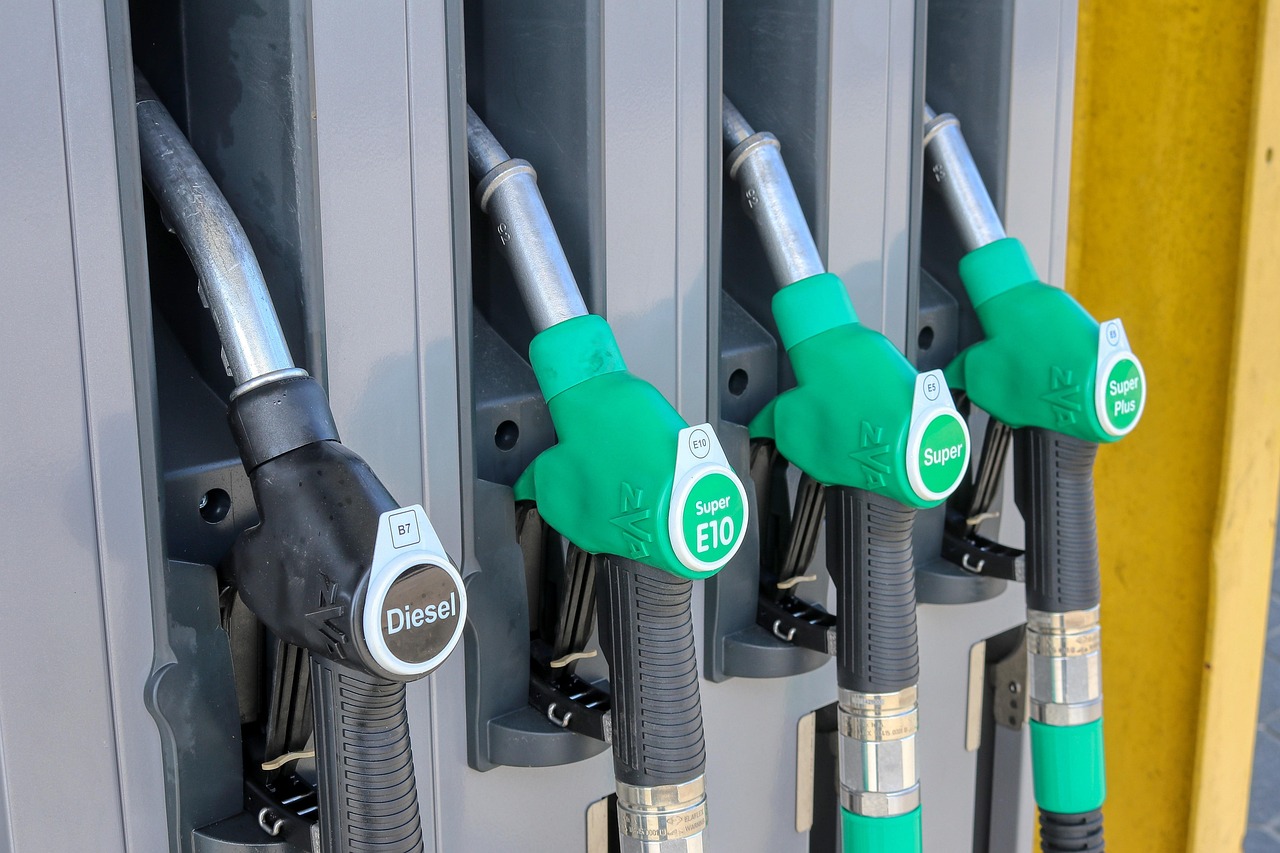
The fight is about more than a name on a pump. It touches fuel prices, patriot branding, business transparency and the blurred line between politics and commerce.
The fight over Freedom Fuel is not really about gasoline. It is about what happens when one of the most visible everyday expenses in American life gets wrapped in presidential politics.
The Independent reported, in a story surfaced on MSN, that Donald Trump’s team has drawn criticism over new Freedom Fuel gas stations. The available source brief does not lay out every operational detail, including ownership structure, locations or financial arrangements, but the backlash itself is easy to understand: a gas pump is a powerful place to sell a political message.
A pump becomes a symbol
Gas stations are not neutral territory in American politics. Fuel prices show up on huge signs by the road, hit drivers several times a month and often become shorthand for whether people feel the economy is working.
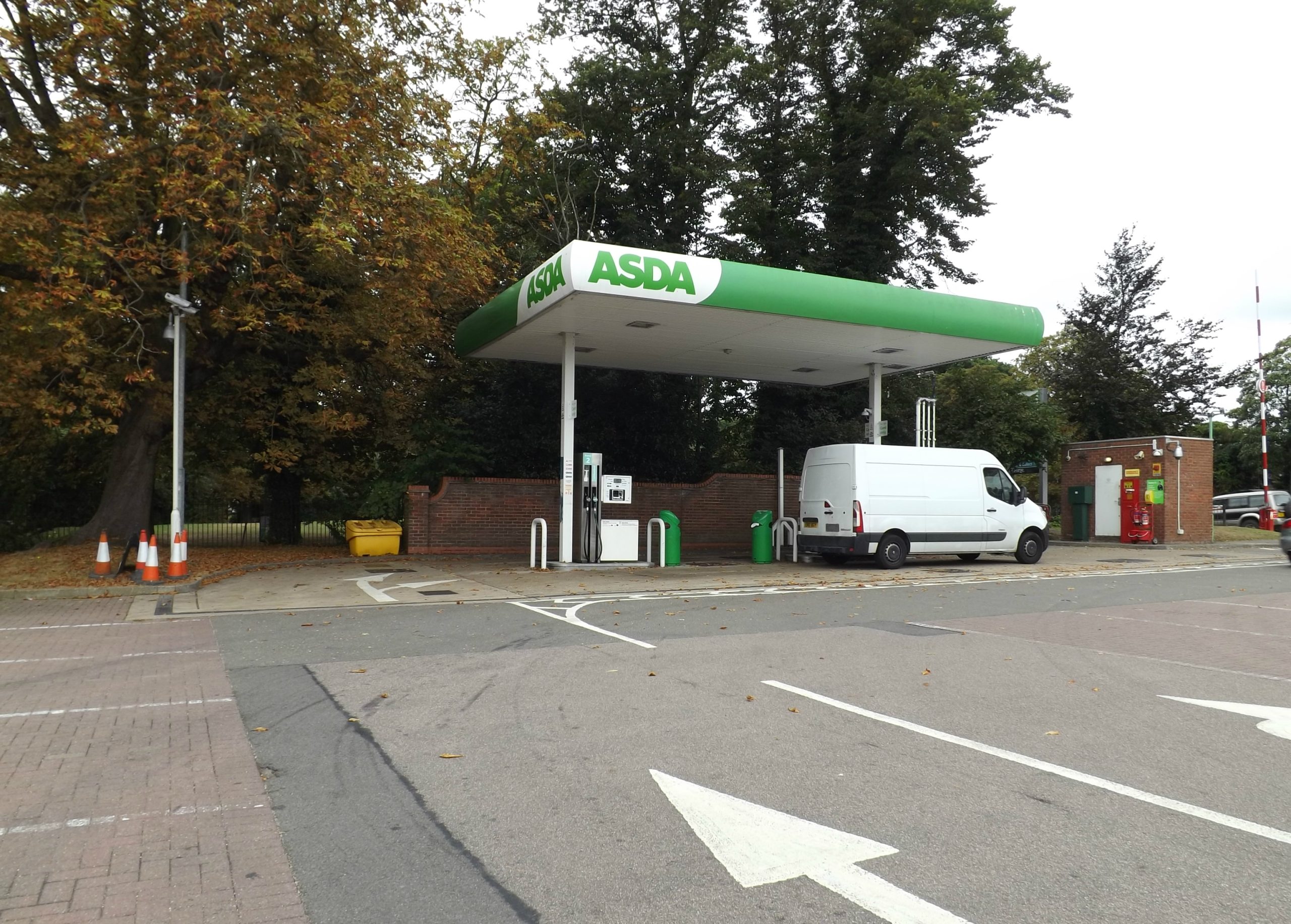
That is why a name like Freedom Fuel lands with force. It does not sound like a quiet retail brand. It sounds like a campaign slogan printed on a receipt.
For supporters, that kind of branding can be part of the appeal. It suggests energy independence, national pride and a rejection of policies they believe make fuel more expensive or less reliable.
For critics, the same branding raises a different question: is this about selling gas, selling politics or selling access to the emotional power of both?
Why the backlash landed
The criticism reported around the Freedom Fuel rollout comes at a moment when Trump’s political identity is already tightly tied to energy. He has repeatedly positioned himself as a champion of fossil fuels, lower gas prices and fewer restrictions on drilling and production.
That makes a Trump-linked fuel brand especially sensitive. If the public sees a political team or political allies attaching Trump-style messaging to gas stations, the reaction will not be limited to whether the gasoline is cheap or the coffee is good.
It becomes a test of boundaries. Campaign-style language at a pump can make a routine purchase feel like a political endorsement. That is precisely the kind of cultural overlap that drives engagement online and irritation among opponents.
There is also a practical reason this story caught attention: drivers are tired of being told what gas prices mean. Politicians blame presidents, oil companies, foreign wars, environmental rules and market forces. A politically branded station steps directly into that argument.
The unanswered questions matter
The most important details are the ones that still need clear public answers. The phrase “Trump team” can mean several things: campaign aides, business associates, outside supporters, licensees or political operatives operating at arm’s length.
Those distinctions matter. A private company using patriotic branding is one thing. A campaign-connected venture, or a business that benefits from proximity to a sitting or former president, invites a different level of scrutiny.
Readers should watch for concrete answers to a few basic questions:
- Who owns or operates the Freedom Fuel stations?
- Is the Trump name, image or political branding formally licensed?
- Do profits flow to any Trump-owned company, campaign entity or affiliated group?
- Where are the stations located, and how many are planned?
- Are political claims being made in advertising at the stations?
Until those details are public and specific, much of the argument will be driven by perception. In politics, perception is often enough to start the fire.
Gas stations are culture-war real estate
The reason this story has traction is that gas stations are unavoidable. They sit at highway exits, rural crossroads, suburban corners and truck stops. They are where people notice prices before they notice policy papers.
That makes them prime real estate for identity branding. A driver does not need to attend a rally or buy a hat to participate. Pulling up to a pump can become part of a political lifestyle.
America has already seen the rise of consumer politics, where coffee, beer, sneakers, cars and even grocery stores become stand-ins for bigger arguments. Fuel may be even more potent because it connects to jobs, climate, inflation, foreign policy and national security.
A brand called Freedom Fuel compresses all of that into two words. That is clever marketing. It is also exactly why critics see it as provocative.
The conflict question won’t fade
Trump’s public life has long blurred the line between political identity and private brand. Hotels, clubs, merchandise and licensing deals have all been part of the broader Trump universe, making any new commercial venture tied to his orbit politically sensitive from the start.
That does not mean every branded business is improper. It does mean that voters, watchdog groups and political opponents will ask who benefits when the branding overlaps with public power.
Fuel adds another layer because energy policy is not abstract. Federal decisions can affect drilling rules, environmental standards, leasing, pipelines, tax incentives and market expectations. Even if a retail fuel brand has no direct policy advantage, the optics can be enough to spark criticism.
The sharper question is not whether a political figure’s allies can launch a gas station brand. It is whether consumers can easily tell where politics ends and business begins.
What to watch next
The next phase of the Freedom Fuel story will depend on documentation, not slogans. If the people behind the stations release ownership details, licensing terms and a clear explanation of the Trump connection, the story becomes easier to evaluate.
If they do not, critics will likely fill the vacuum. That is especially true in an election-shaped media environment, where anything connected to Trump can become national content within hours.
The reaction from customers will matter too. A politically branded gas station could thrive in places where Trump’s message is popular. It could also become a magnet for protest, boycott campaigns or viral confrontations.
For now, the backlash says as much about the country as it does about the brand. Gasoline is already loaded with anxiety over prices, climate, jobs and independence. Add Trump to the pump, and it stops being just fuel.






Leave a Reply