

The reaction shows how disputes over Trump’s treatment of military service members can quickly move from past reporting to present-day political judgment. The underlying claims remain sharply contested.
Donald Trump’s remarks about fallen troops drew backlash after NewsNation viewers reacted strongly to Trump’s comments, with an Irish Star item syndicated on MSN saying NewsNation viewers dub Donald Trump “emotionally void halfwit.” The flare-up matters now because Donald Trump emotionally fraught disputes over military service keep resurfacing in the political conversation, especially when cable clips turn old controversies into fresh tests of character.
The underlying issue is familiar and combustible: allegations that Trump disparaged U.S. service members killed or captured in war, claims he has denied as “totally false.” The viewer anger shows how quickly a military-respect controversy can move from archive to live campaign argument.
A viewer insult became the hook
The sharp phrase “emotionally void halfwit” is not a formal finding, a legal conclusion or an institutional statement from NewsNation. It is a viewer-driven insult, highlighted in the Irish Star’s coverage of reaction to Trump’s fallen-troops controversy.
That distinction matters. In political media, viewer reaction often becomes its own story because it signals what breaks through: not a full transcript, not a policy debate, but a short moral judgment that people repeat.
Here, the reaction landed on one of the most sensitive subjects in American public life. Comments about fallen troops do not operate like ordinary campaign insults. They touch grief, patriotism, service, family loss and the expectation that presidents show restraint around military sacrifice.
That is why even a cable-viewer pile-on can become politically meaningful. It suggests the controversy still has emotional force with audiences who may have heard versions of the allegations before but are encountering them again through a new segment or social-media clip.
The controversy Trump denies
The broader controversy dates back to reporting by The Atlantic and follow-up reporting by The Associated Press, published by PBS NewsHour, about Trump’s alleged comments regarding military members who were killed, wounded or captured.
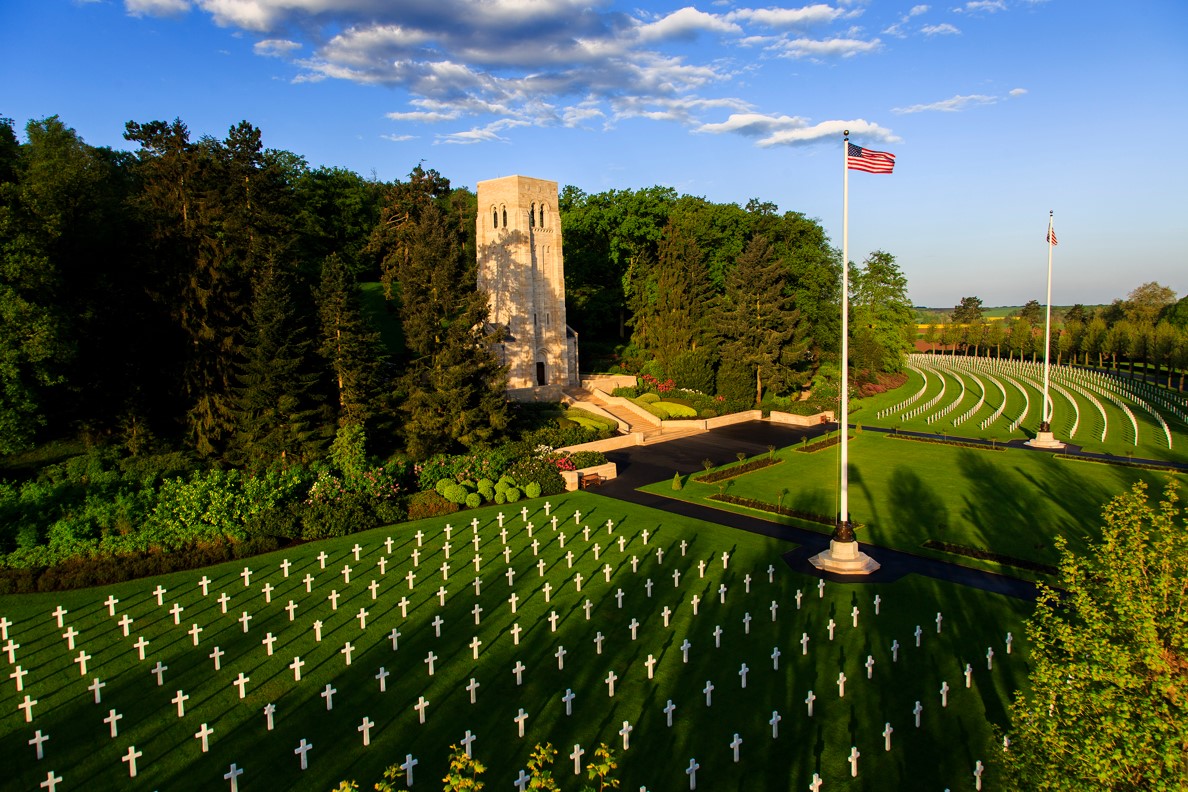
According to the AP report, two officials — a senior Defense Department official with firsthand knowledge of events and a senior U.S. Marine Corps officer who had been told about the remarks — confirmed some details of The Atlantic’s account. The report included the allegation that Trump referred to American casualties buried at the Aisne-Marne American Cemetery in France as “losers” and called Marines killed at Belleau Wood “suckers.”
Trump denied the story at the time, calling it “totally false.” He told reporters, “There is nobody that respects them more,” and argued that the cemetery visit in 2018 was canceled because weather made helicopter travel unsafe and ground movement impractical.
The AP report also described other disputed episodes, including an alleged Memorial Day 2017 comment at Arlington National Cemetery and Trump’s long-running attacks on the late Sen. John McCain, a Navy veteran and former prisoner of war. Trump acknowledged he was “never a fan” of McCain but said he approved funeral honors and respected him.
Why the military issue stings
Presidents and presidential candidates are judged not only on defense policy but on the language they use around service members. The presidency carries the role of commander in chief, which makes tone part of the job.
Supporters of Trump often argue that the disputed reports are politically motivated, anonymous-source-driven or contradicted by his public praise for troops and veterans. They also point to his administration’s defense spending, veterans policy claims and public appearances with service members as evidence that he respects the military.
Critics see the pattern differently. They connect the alleged “losers” and “suckers” remarks to Trump’s public 2015 attack on McCain, when he said, “He’s not a war hero,” and added, “I like people who weren’t captured.” For them, the controversy is not one isolated quote but a recurring question about empathy and sacrifice.
That divide explains why the NewsNation viewer reaction could be so blunt. The phrase “emotionally void halfwit” is crude, but it captures a broader criticism: that Trump’s combative style can sound especially jarring when the subject is war dead rather than political rivals.
Cable outrage has limits
There is a caution here. Viewer reactions are not polling. A handful of angry comments does not prove a national shift, and cable audiences are often self-selecting. The loudest response in a broadcast or online thread may not represent undecided voters.
Still, media moments matter because they set the terms of attention. A complicated set of allegations becomes easier to process when audiences attach it to one question: did Trump show respect for fallen service members, or not?
The answer depends heavily on whom voters trust. The AP and The Atlantic reporting gave critics a source-backed basis for concern. Trump’s denials gave supporters a clear counterargument: that the claims are false and part of a smear campaign.
NewsNation’s role in this moment appears to be as a platform where the controversy was discussed and where viewers reacted. The harshest wording came from the audience, not from an official ruling on what happened.
What remains unresolved
The central factual dispute remains unresolved in the public record in the way many political controversies do: through competing accounts, partial corroboration, denials and partisan interpretation.
What is clear is that the topic has staying power. Military sacrifice sits outside normal partisan brawling for many Americans, and any suggestion of disrespect can cut deeper than a routine campaign attack.
That is also why the controversy keeps returning. Trump’s defenders believe he has been unfairly maligned on an emotionally charged subject. His critics believe the reported remarks reveal something essential about his character.
The NewsNation viewer backlash does not settle that dispute. It does show that the fallen-troops issue remains one of the quickest ways for old Trump controversies to become immediate again.







Leave a Reply