
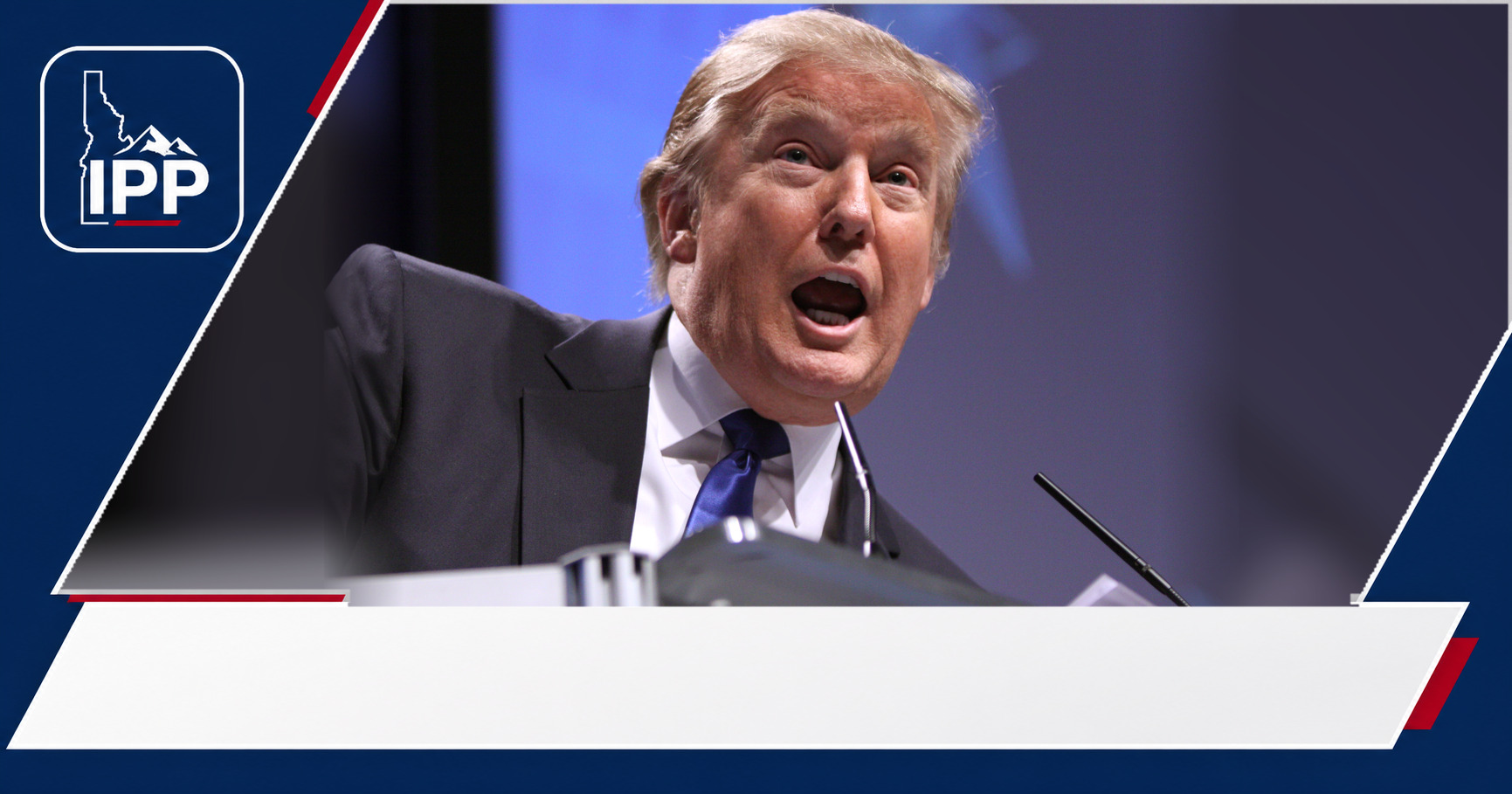
The dispute is less about whether Venezuelan oil was sold than who controlled the money, where it went and what oversight Congress can demand.
Trump says Venezuela oil sales topped $13 billion, and lawmakers are demanding an audit of those sales as questions build over how the U.S. administration handled money collected from Venezuelan oil. The push puts Venezuela, U.S. energy policy and the Government Accountability Office at the center of a transparency fight.
The issue matters now because $13 billion is not a rounding error. It is a sovereign-scale sum, and lawmakers want a clearer public accounting of who authorized the sales, where the revenue was held, and how any proceeds were used.
A $13 billion question
President Donald Trump said the U.S. has sold more than $13 billion of Venezuelan oil, according to CNBC, which reported his remarks this week. The Financial Times separately reported that the Trump administration has collected about $13 billion in revenues from Venezuelan oil sales this year, based on its calculations.

Those two descriptions point to the same core issue: Venezuelan oil became a source of major revenue under U.S. control or direction, and the administration’s handling of that money is now drawing scrutiny.
For lawmakers, the dollar figure changes the political stakes. A smaller program might be treated as a narrow sanctions or licensing matter. A $13 billion flow of money invites a different set of questions about custody, legality, oversight and public accountability.
Why lawmakers want an audit
The demand for an audit reflects a basic oversight concern: Congress does not simply want to know that oil was sold. It wants to know what happened after the money came in.
The Government Accountability Office is Congress’s investigative arm, often asked to review federal programs, spending, agency decisions and compliance with law. If lawmakers press the GAO to examine the Venezuela oil sales, the review could focus on records the public has not yet seen in full.
Key questions include whether the revenue moved through federal accounts, special-purpose funds, private intermediaries, foreign accounts or other mechanisms. Each path carries different reporting rules and different political risks.
Lawmakers also want transparency because Venezuela policy has long mixed diplomacy, sanctions, oil markets and domestic politics. When those elements converge around billions of dollars, the public accounting becomes more than a bookkeeping exercise.
How oil became leverage
Venezuela has some of the world’s largest proven oil reserves, but years of political turmoil, sanctions, mismanagement and infrastructure decline have battered its energy sector. U.S. policy toward Venezuelan crude has shifted over time between pressure, exemptions and limited openings depending on broader diplomatic aims.
Oil is the country’s most important economic asset. That makes any outside control, sale or redirection of Venezuelan crude politically sensitive, especially when the proceeds may be tied to claims about Venezuela’s government, assets or leadership.
CNBC reported Trump’s statement in the context of the U.S. selling Venezuelan oil after taking control following Nicolás Maduro’s capture. That framing raises enormous legal and diplomatic questions, but the immediate audit dispute is narrower: what records exist for the sales and who can verify the numbers?
Supporters of a hard-line Venezuela policy may see the reported oil sales as a way to prevent revenue from flowing to a hostile or illegitimate regime. Critics may see the same arrangement as a murky intervention in another country’s central economic resource.
What an audit could reveal
An audit would not necessarily settle the political argument over U.S. Venezuela policy. It could, however, establish a clearer factual record.
A serious review could look at several practical points:
- How much Venezuelan oil was sold and over what period.
- Which U.S. agencies or officials approved the sales.
- Whether private companies, traders or financial institutions handled the transactions.
- Where the revenue was deposited after collection.
- Whether any money was spent, transferred, reserved or earmarked.
- What legal authority the administration cited for each step.
That kind of audit could help distinguish between political claims and documented financial flows. It could also show whether the administration’s public figure matches invoices, contracts, bank records and agency memos.
The most politically explosive finding would not necessarily be that oil was sold. It would be that the money was difficult to trace, handled outside normal channels or governed by unclear legal authority.
The administration’s likely defense
The Trump administration could argue that the sales were part of a lawful strategy to secure assets, stabilize energy supplies or prevent Venezuelan oil proceeds from benefiting adversarial actors. It could also argue that some details cannot be released publicly because of sanctions enforcement, diplomatic negotiations or commercial confidentiality.
Those arguments may carry weight in specific areas. Governments often withhold some information involving sanctions, asset seizures, foreign policy and energy markets.
But confidentiality is not the same as exemption from oversight. Congress routinely receives sensitive information through classified briefings, inspector general reviews or restricted GAO work. The central fight is likely to be how much transparency lawmakers can force without disrupting ongoing policy or litigation.
That is where the $13 billion number becomes so powerful. The larger the sum, the harder it is for any administration to ask Congress and the public to accept broad assurances without a paper trail.
What remains unclear
The public record still leaves major gaps. It is not yet clear whether the full $13 billion figure refers to gross oil sales, net revenue after costs, proceeds held for a specific purpose or money already transferred elsewhere.
It is also unclear what share, if any, belongs to Venezuela’s people, a future Venezuelan government, creditors, U.S.-controlled accounts or other claimants. Those distinctions matter because oil revenue can quickly become entangled in sanctions law, debt claims and diplomatic recognition.
The audit demand is therefore about more than partisan friction. It is a test of whether a high-stakes foreign-policy operation involving a major oil-producing country can be reconstructed in a way that Congress, markets and the public can understand.
Until that accounting is available, Trump’s $13 billion claim will remain both a boast and a liability: evidence of a large operation, and a reason lawmakers are pressing to see exactly where Venezuela’s oil money went.





Leave a Reply