
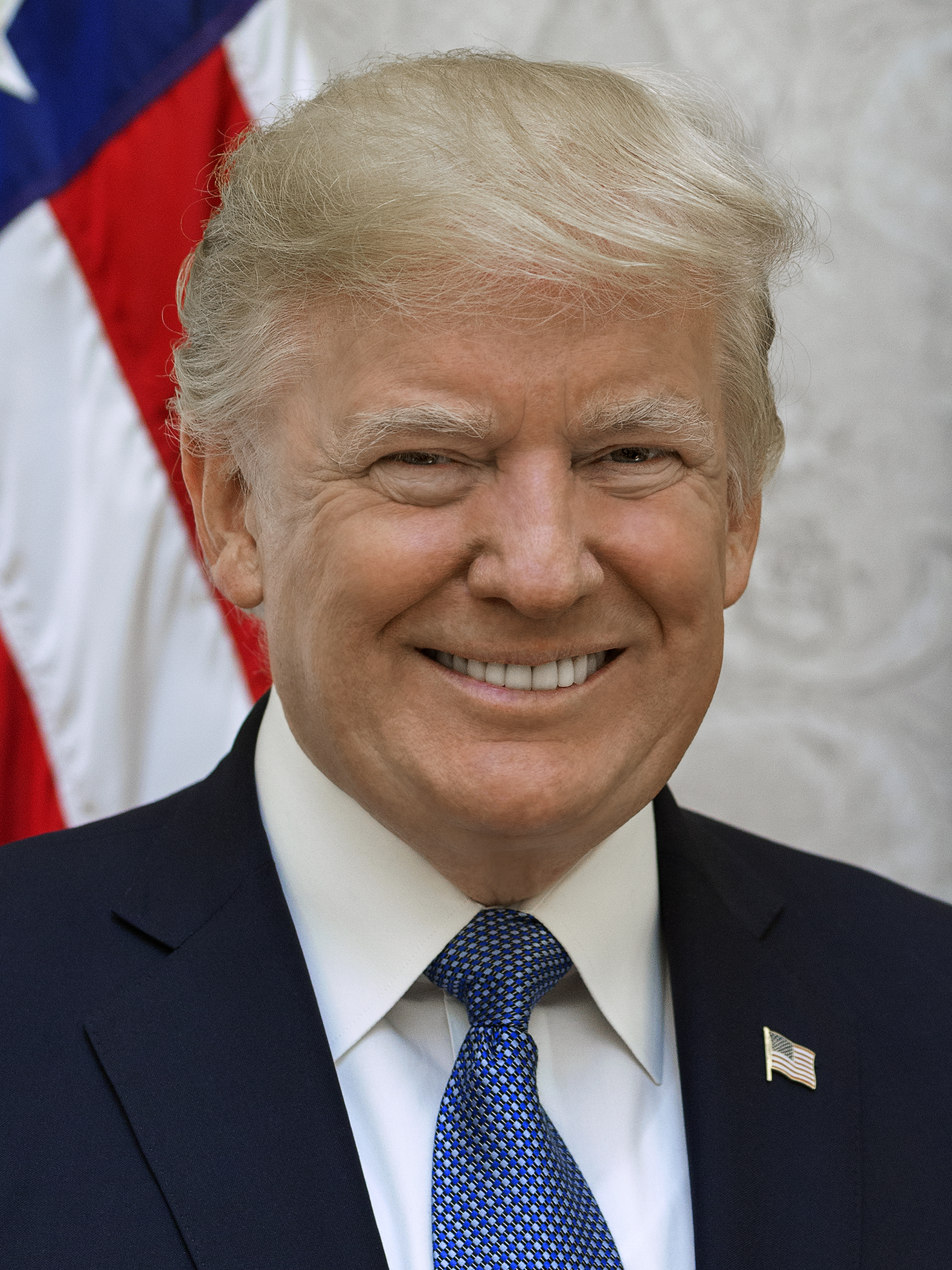
The viral moment has become another flashpoint in the political debate over age and fitness for office. Video can show apparent drowsiness, but it cannot establish that Trump fell asleep or explain why.
Donald Trump appeared to slump over and possibly fall asleep while White House officials were speaking during an Oval Office event, prompting renewed scrutiny of video showing the president’s apparent drowsiness. The event took place in the Oval Office during an announcement involving drug-price agreements with Eli Lilly and Novo Nordisk, and a Washington Post review said Trump spent nearly 20 minutes appearing to battle to keep his eyes open.
The footage is politically potent because it captures a president in a formal, public setting. But it does not prove that Trump was asleep, establish a medical cause, or on its own answer broader questions about his ability to do the job.
What the Oval Office video shows
Accounts of the event describe Trump sitting in a chair as speakers addressed the room. In clips circulated online, his eyes appear heavy or closed at points, and his posture sometimes looks slack or reclined.
The Washington Post, which reviewed multiple video feeds, characterized the episode as an apparent effort to fight off sleep lasting nearly 20 minutes. That is stronger evidence than a single short social-media clip, because different camera angles can help show whether a moment was isolated or repeated.
Still, the careful word is appeared. Closed eyes, a lowered head or a shift in posture can reflect fatigue, concentration, discomfort or a moment outside the camera’s full context. None of those images, by themselves, confirms that a person has fallen asleep.
The headline claim that Trump “slumps over” reflects the visual impression of the footage. It should not be turned into a certainty that he lost consciousness or slept through the event.
The announcement had a disruption
The Oval Office appearance was not an ordinary photo opportunity. Trump was announcing agreements connected to lower prices for weight-loss drugs from pharmaceutical companies Eli Lilly and Novo Nordisk.
The event also drew attention after an attendee fainted, according to contemporaneous reporting. That interruption complicated an already unusual public appearance and may help explain why the event generated several separate waves of online video and commentary.
Public events at the White House often move between prepared remarks, official presentations, questions and unscripted interruptions. A clip stripped from that sequence can be revealing, but it can also exaggerate the certainty of what happened in a room over a longer period.
Why sleep claims need caution
It is reasonable to describe the observable behavior: Trump appeared to struggle to keep his eyes open while others spoke. It is not responsible to diagnose him from a recording or claim a specific health condition without medical evidence.
Fatigue can have many ordinary explanations, including a late schedule, travel, a long day or a monotonous stretch of remarks. The available reporting does not establish why Trump looked drowsy during this event.
Nor does a single episode settle a larger judgment about cognitive health or presidential capacity. Those are consequential claims that require more than posture, facial expression or a few seconds of closed eyes.
That distinction matters especially with presidents. Every visible stumble, verbal lapse, pause or moment of fatigue is now quickly clipped, captioned and used as ammunition by political opponents and defenders alike.
The White House has pushed back
When Trump later appeared to nod off during a White House cabinet meeting, press secretary Karoline Leavitt rejected that interpretation. She said he was “listening attentively and running the entire” meeting, according to The New York Times.
That response addressed a separate later episode, but it reflects the administration’s broader position: Trump’s aides dispute the suggestion that a closed-eyed moment proves he was asleep or disengaged.
Supporters can also point to Trump’s frequent public appearances and regular exchanges with reporters. Those facts do not resolve what viewers see in a particular video, but they are part of the defense against claims that one visual moment represents his overall performance.
Critics counter that the Oval Office footage deserves attention precisely because it came during a major policy announcement. Their argument is not merely that Trump looked tired; it is that the same intense standards applied to other presidents should apply to him.
The age debate cuts both ways
Trump, 79 at the time of the reporting cited here, has himself criticized coverage of age and sharpness in political rivals. His apparent drowsiness therefore landed in a political environment already shaped by sustained arguments over whether candidates and officeholders are being evaluated consistently.
President Joe Biden faced widespread scrutiny over age, verbal miscues and visible signs of fatigue before ending his 2024 reelection campaign. The contrast has fueled criticism that news outlets and partisan audiences may react differently depending on which politician is on camera.
There is a legitimate competing view: presidents should face scrutiny over visible behavior regardless of party, and observers should avoid using isolated footage to make sweeping medical or political claims. Both principles can coexist.
The more useful question is not whether a viral label wins the day. It is whether the reporting clearly distinguishes a documented visual moment from conclusions the evidence cannot carry.
What remains unclear after the clip
The record supports a limited conclusion. Trump appeared drowsy during the Oval Office event, and reporting based on multiple video feeds found he seemed to struggle to keep his eyes open for an extended stretch.
It does not establish that he definitively fell asleep. It does not provide a verified explanation for his appearance, and it does not support a medical diagnosis.
For readers, that is the key context behind the striking image: the footage is real political material, not a clinical assessment. As more clips circulate, the fairest reading will depend on full video, clear timestamps and direct responses from the people involved—not the confidence of a caption.




Leave a Reply