
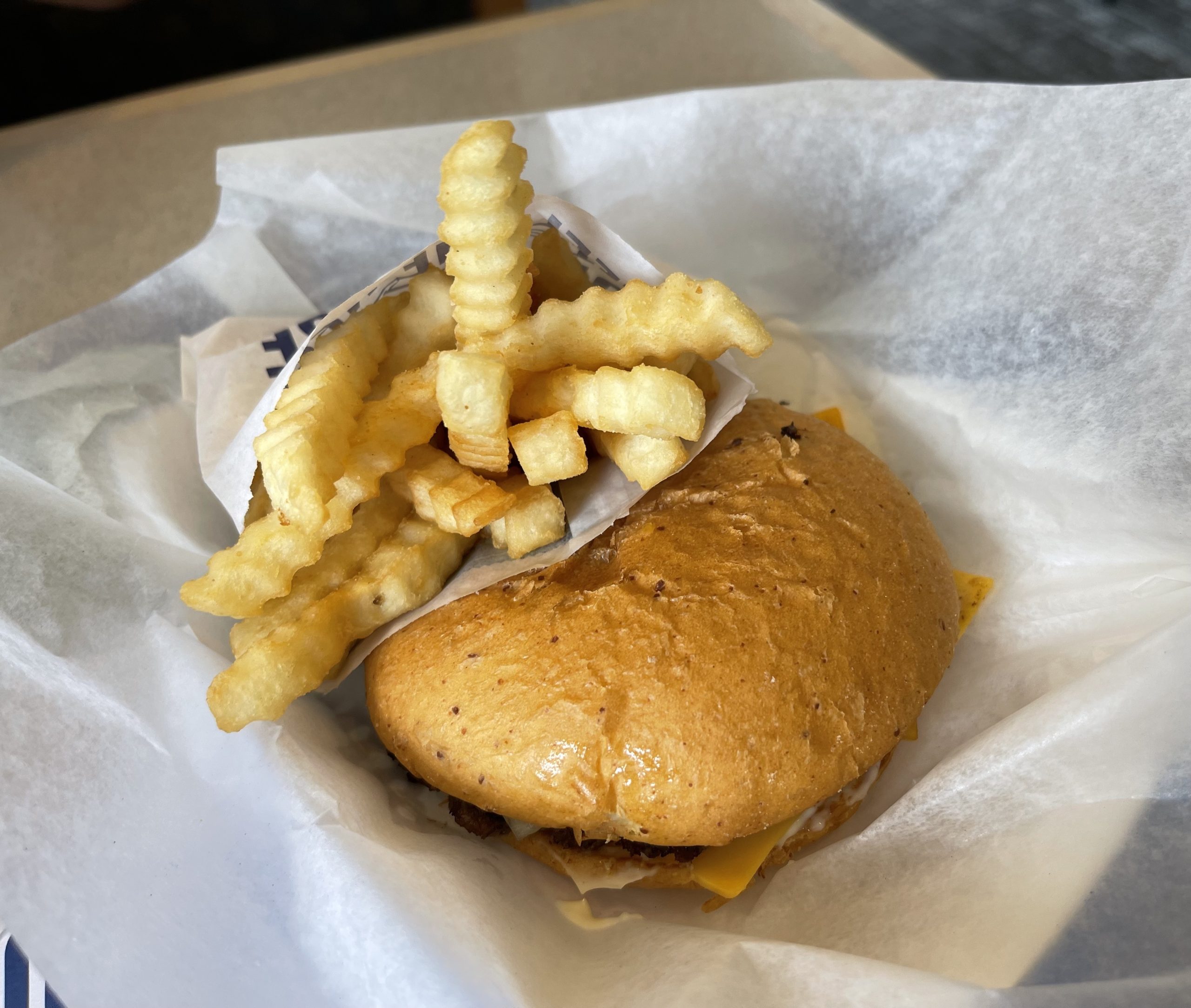
The chain’s chicken sandwich gets attention because the fillet contains more than chicken. The real story is less scandal than science: seasoning, moisture retention, breading and a lot of fast-food engineering.
Culver’s has built a loyal following on ButterBurgers, custard and cheese curds, but its crispy chicken sandwich is getting a different kind of attention: the fillet is not made of chicken alone.
That does not mean the sandwich is fake chicken. It means the fillet is a fast-food chicken product, built with a familiar mix of chicken, seasoning, moisture-retaining ingredients and breading designed to survive a fryer, a wrapper and a drive-thru ride home.
The fillet is only the start
The phrase “chicken sandwich” sounds simple. In a home kitchen, it might mean a chicken breast, salt, pepper, flour and hot oil. In a national restaurant chain, the ingredient list gets longer because the product has to taste the same across hundreds of restaurants and hold its texture under pressure.
Culver’s own menu and nutrition materials identify its Crispy Chicken Sandwich as a whole white meat chicken fillet served with lettuce, tomato and pickles on a bun. The important detail is that the chicken portion is not just a plain, untouched piece of meat. Like many quick-service chicken fillets, it includes added ingredients for flavor, juiciness, structure and breading.
That is the distinction that can surprise customers. The “extra” ingredients are not necessarily there to deceive diners. They are there because a crispy chicken sandwich is a manufactured restaurant item, not a raw grocery-store chicken breast dropped straight into oil.
Why water and salt show up
One of the most common reasons a chicken fillet ingredient list runs long is moisture. Restaurant chicken is often marinated, injected or tumbled with a seasoned solution before it is breaded and fried. That solution can include water, salt and ingredients that help the meat hold on to that moisture.
Salt does more than make the chicken taste seasoned. It changes how muscle proteins behave, helping meat retain liquid during cooking. That matters in fast food because chicken fillets are cooked quickly and then may sit briefly before being served.
Ingredients such as sodium phosphates are also common in processed or prepared chicken products. Their job is functional: they help retain moisture and improve texture. To a label reader, that can look industrial. To a restaurant operator, it helps reduce the odds of serving a dry, stringy fillet.
The trade-off is sodium. A crispy chicken sandwich may taste juicy and well-seasoned partly because the seasoning is built into the meat and breading. For customers watching salt intake, the ingredient list and nutrition panel matter more than the marketing phrase “whole white meat.”
The crunch comes from chemistry
The crispy shell is its own engineered layer. Breading is not just “flour.” It can include wheat flour, starches, leavening agents, spices and flavorings that help create a crust with the right color, crunch and cling.
Starches can help the coating crisp up. Leavening ingredients can create tiny bubbles and a lighter crust. Spices, garlic, onion, pepper and paprika-style seasonings can build the savory flavor customers expect before they add sauce.
This is why two chicken sandwiches can use the same basic cut of meat and taste completely different. The fillet’s marinade and breading system do much of the work. They decide whether the sandwich eats like a lightly breaded chicken breast or a highly seasoned fast-food crispy fillet.
For Culver’s, that matters because the chain’s identity is built around a fresh, Midwestern, made-to-order feel. A chicken sandwich still has to compete in the national “chicken wars,” where crunch and juiciness are the price of admission.
This is not just a Culver’s thing
Culver’s is not unusual for having a long ingredient list on a crispy chicken fillet. Fast-food chicken sandwiches across the industry commonly include seasoned marinades, breading blends and additives that improve consistency. The simpler the menu description sounds, the more surprising the technical ingredient list can feel.
That gap between menu language and label language is where suspicion grows. Diners see “crispy chicken” on the board, then discover a list of starches, phosphates, flavorings and allergens. The product has not changed, but the perception does.
The better way to read the list is to separate categories:
- The meat: the chicken portion, typically white meat or breast fillet depending on the product description.
- The marinade or seasoning system: ingredients such as water, salt and functional additives that affect flavor and juiciness.
- The breading: flour, starches, spices and leavening agents that build the crunchy coating.
- The sandwich build: bun, lettuce, tomato, pickles, mayo or other toppings depending on the item.
That does not make every ingredient equally meaningful to every diner. Someone with a wheat allergy, soy sensitivity or sodium concern will read the list differently from someone simply asking whether the sandwich contains actual chicken.
Culver’s is changing its chicken
The timing is notable because Culver’s has been working on its chicken lineup. Restaurant Dive reported that the chain planned a revamped chicken sandwich menu for June 16, with updated Crispy Chicken, Spicy Crispy Chicken and Grilled Chicken sandwiches across more than 1,000 restaurants.
According to that report, Culver’s said the updated sandwiches would include an improved chicken filet, crunchier pickles, mayo, lettuce, tomato and a new toasted brioche bun. The company described the update as the result of a multi-year development process, with guests responding positively to flavor, juiciness, filet quality and the bun during testing.
That tells you what Culver’s thinks it needs to fix or sharpen. Chicken sandwiches are no longer side characters on fast-food menus. Popeyes, McDonald’s, Chick-fil-A, Wendy’s and regional chains have all helped train customers to expect a bigger, crunchier, more flavorful chicken experience.
Culver’s has a strong brand, but its chicken has not always carried the same reputation as its burgers, custard or cheese curds. A better filet and bun could help the chain close that gap, especially with diners who want something other than beef.
What diners should actually watch
The extra ingredients in a crispy chicken fillet are not automatically a red flag. They are a sign that the sandwich is a processed restaurant product. That is true even when the chicken is real, recognizable and made from white meat.
The practical questions are more specific. How much sodium does the sandwich carry? Does the breading include wheat or other allergens? Is the chicken fried in shared oil? Does the new version change the nutrition profile? Those answers matter more than the mere fact that the fillet contains more than chicken.
Culver’s publishes nutrition and allergen information for customers who need to check specifics before ordering. That is the best source for anyone with dietary restrictions, because restaurant recipes and supplier formulations can change.
For everyone else, the takeaway is simple: the crispy chicken sandwich is not a plain chicken breast in a bun. It is chicken plus a system — marinade, seasoning, breading and toppings — designed to deliver the same juicy-crunchy bite every time. Whether that makes it more appealing or less is up to the person holding the bag.











Leave a Reply