
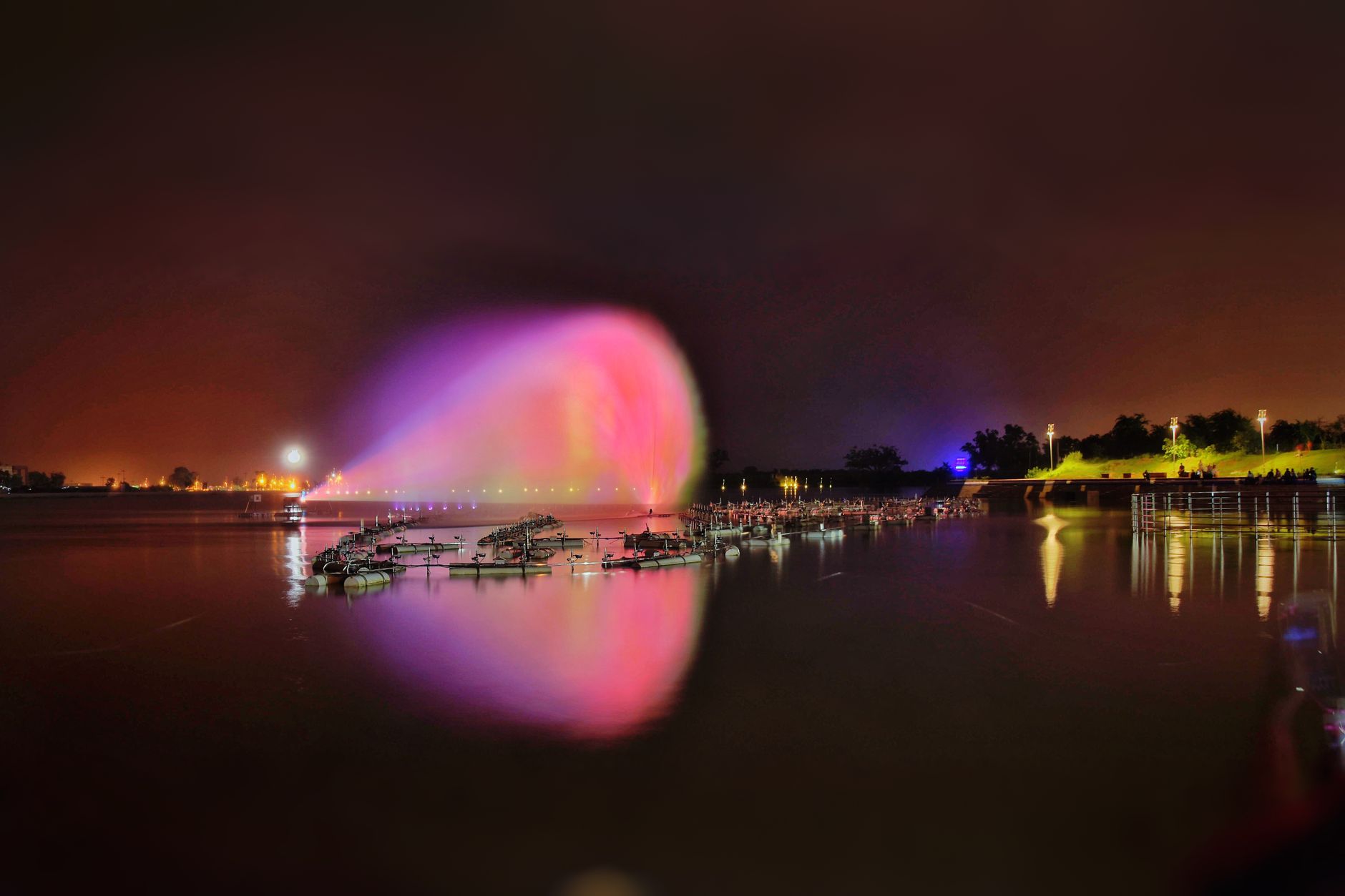
The Texas display went viral for its scale, but the bigger story is how drone shows are moving from novelty act to main-stage holiday entertainment.
A Fourth of July celebration in Texas did not wait for the Fourth to make its point.
In North Richland Hills, near Dallas, a 2,500-drone light show turned the holiday sky into a moving patriotic canvas, with formations that reportedly included George Washington, Uncle Sam, Artemis II and a bald eagle carrying pyrotechnics. The display quickly became more than a local celebration. It became a reminder that fireworks are no longer the only way cities can own the night.
A holiday show that arrived early
USA Today reported that the North Richland Hills display was held July 1, ahead of Independence Day weekend, rather than on July 4 itself. The timing was not just a programming choice.
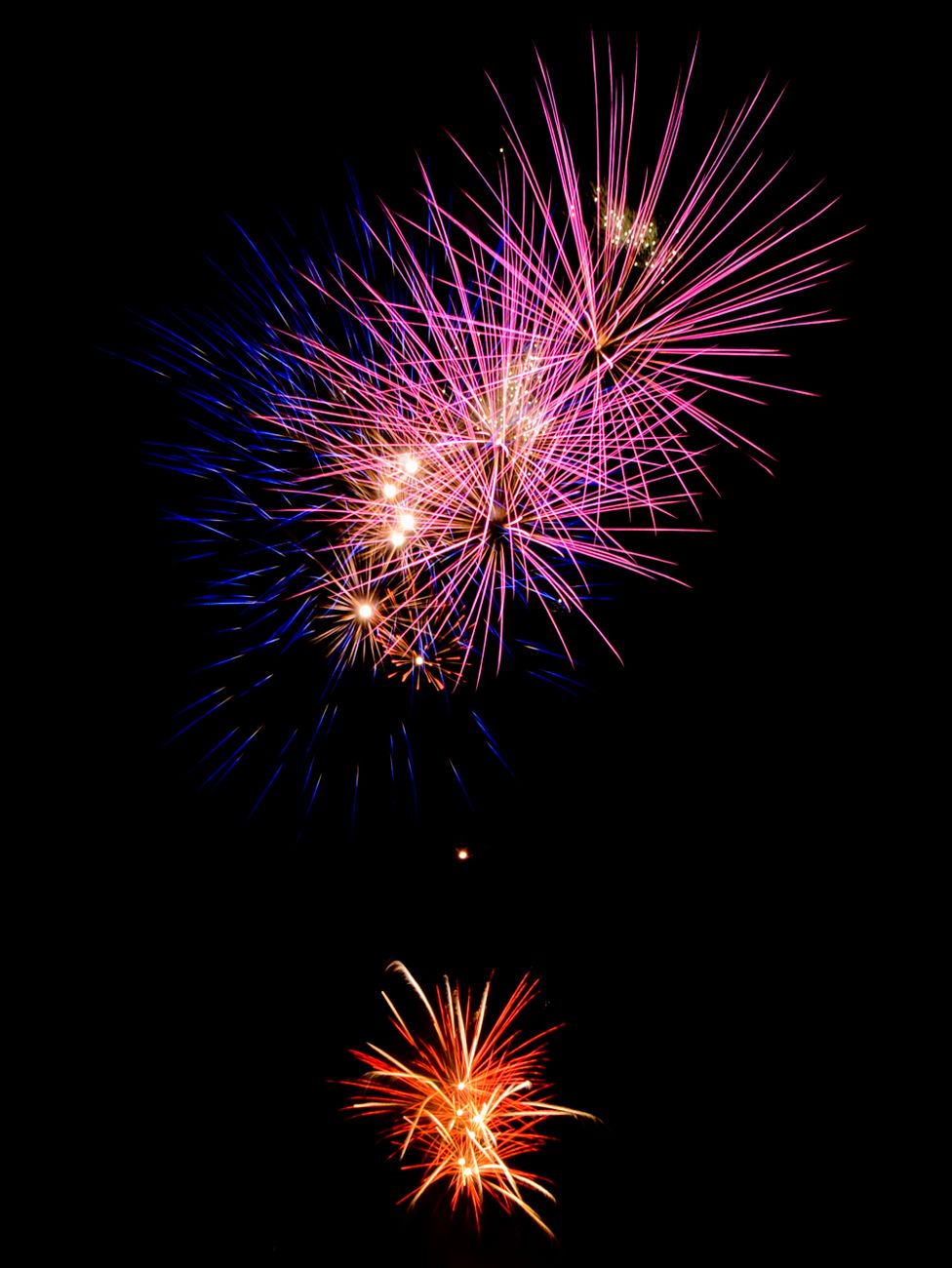
According to the report, organizers moved the large-scale show because of public safety needs and the demand for event resources tied to a FIFA World Cup match in Arlington on July 3. That detail matters because it shows what these displays have become: not just entertainment, but major crowd-management events.
A 2,500-drone production requires airspace planning, trained crews, launch zones, viewing areas and local coordination. It may look effortless from a lawn chair, but a synchronized drone show is closer to a live aerial production than a simple holiday add-on.
That is part of why the Texas show drew attention. It combined the emotional punch of Independence Day imagery with the precision of a technology showcase, and it did it at a scale big enough to feel like a civic event.
Why this one caught on
The images were designed for a crowd, but they were also built for phones. Giant figures in the sky, crisp color changes and recognizable symbols translate easily into short video clips, which helps explain why the show spread beyond North Texas.
USA Today reported that video posted by Sky Elements had drawn nearly 3 million views in two days. For a holiday event, that kind of digital reach changes the equation. A local celebration can suddenly become a national advertisement for the host city, the vendor and the idea of replacing or supplementing fireworks.
The formations also hit a familiar Fourth of July formula without feeling routine. George Washington and Uncle Sam played to tradition. Artemis II gave the show a space-age angle. The bald eagle, enhanced with pyrotechnics, gave viewers the fire-and-light payoff people expect from the holiday.
That mix is the selling point for drone shows right now. They can be patriotic, branded, whimsical or cinematic, and they can tell a visual story in a way a standard fireworks finale usually cannot.
The company behind the spectacle
The Texas display was flown by Sky Elements, a drone light show company that has become one of the most visible names in the field. On its own site, the company promotes Fourth of July drone shows in multiple states and describes its work as pushing the boundaries of drone technology.
USA Today noted that Sky Elements has produced shows for major organizations and brands, including MLB, Disney Studios, Marvel, the Seattle Seahawks and Coca-Cola, according to the company’s website. The company has also appeared as a finalist on “America’s Got Talent” and says it holds more than a dozen world record titles.
One especially attention-grabbing claim from the company: Sky Elements says it was the first U.S. drone show company to receive FAA approval for attaching pyrotechnics to drones. That detail helps explain the Texas bald eagle effect, and it also shows where the industry is headed.
Drone shows are not simply trying to be quieter fireworks. The most ambitious productions are becoming hybrid events, blending animation, aerial choreography, music and controlled bursts of fire.
Fireworks now have a rival
Fireworks are not going away. They are too deeply tied to the Fourth of July, New Year’s Eve, championship parades and hometown festivals. But drone shows are increasingly being framed as a serious alternative, especially for communities looking for a different kind of spectacle.
CBS News recently described drones as a cleaner, quieter alternative for some Fourth of July events, with a preview in Texas. That framing has become central to the pitch. Drones can create large images without the same explosive sound profile as traditional fireworks, and they can be programmed with specific shapes, logos and messages.
For cities, that flexibility can be appealing. A drone show can salute local landmarks, honor veterans, promote a host event or tie into a sponsor without relying only on color and timing. The story in the sky can be custom-built.
For audiences, the appeal is more immediate: it looks new. After decades of fireworks finales that can blur together, a sky full of drones forming a face, a flag or a spacecraft gives people a reason to look up again.
The limits behind the glow
The excitement around drone shows can make them sound like an easy swap for fireworks. They are not.
Large drone productions still depend on weather, visibility, batteries, aviation rules, software, trained operators and secure launch areas. Wind, rain or technical problems can change plans. So can nearby airports, emergency operations or major sporting events, as the North Richland Hills schedule showed.
They also require a different kind of crowd expectation. Fireworks are loud, bright and chaotic in a familiar way. Drone shows are more precise and often more narrative. That can be stunning, but it can also feel slower if the choreography is not strong or if the viewing angle is poor.
Cost is another unanswered question for many communities. A small fireworks display and a multi-thousand-drone show are not the same product. As more cities experiment, the practical decision will not be “fireworks or drones” so much as “what kind of show fits the budget, the site and the crowd?”
Texas showed the next phase
The North Richland Hills show worked because it did not treat drones as a gimmick. It used them to deliver familiar holiday emotions in a new format: presidents, symbols, space travel, national colors and a dramatic eagle moment.
It also showed how modern holiday events are shaped by forces beyond the holiday itself. A World Cup match in a nearby city helped influence the date. Online video helped turn the local show into a national talking point. A drone company’s technical capabilities became part of the story.
That is the real takeaway from the Texas sky. The Fourth of July is still about shared ritual, but the tools for creating that ritual are changing.
Fireworks still have the boom. Drone shows now have the surprise. And when 2,500 aircraft can draw Uncle Sam over Texas before the holiday even begins, cities across the country are going to keep asking whether the next big celebration should be choreographed in pixels, propellers and light.






Leave a Reply