
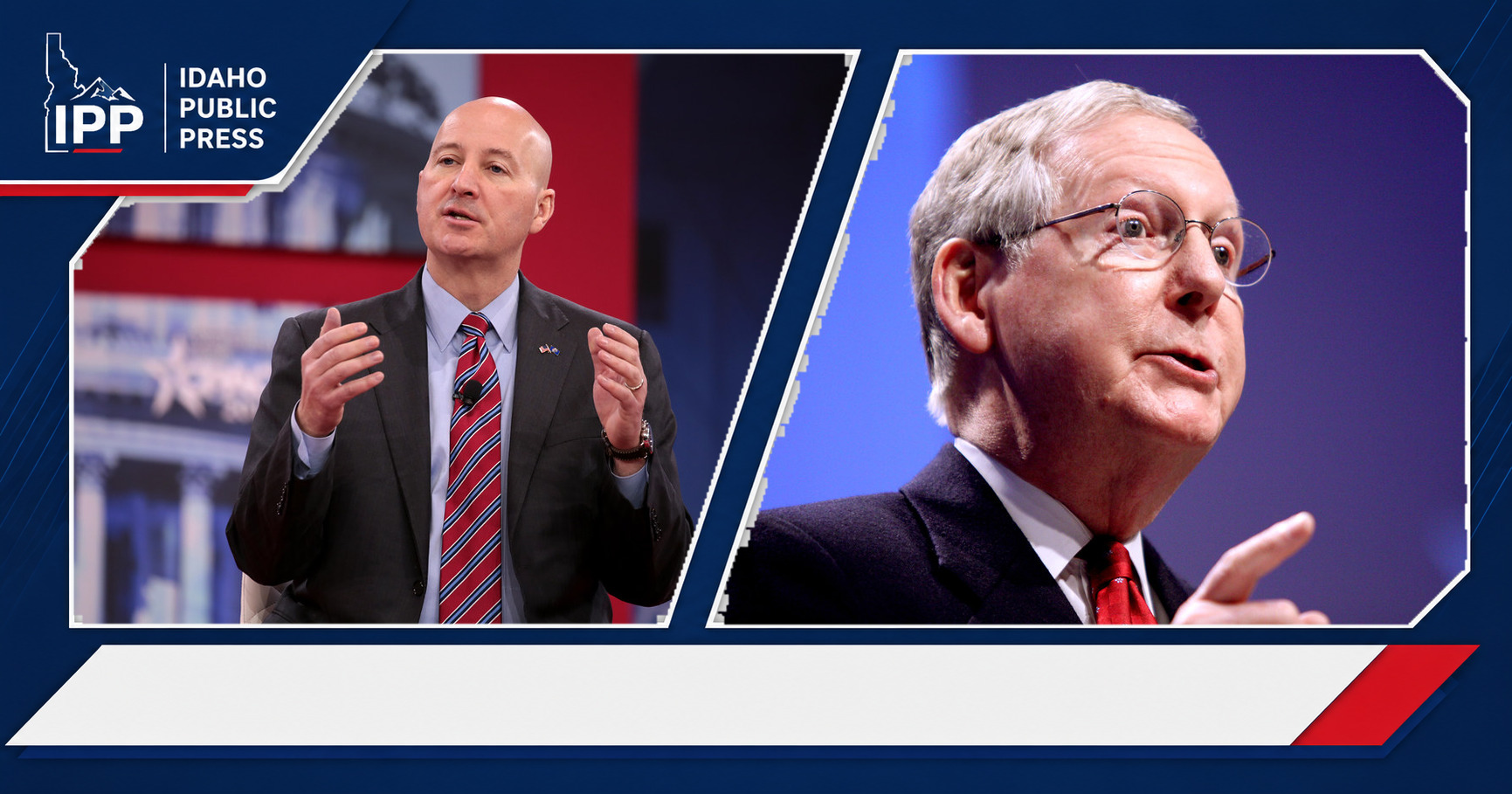
The hallway exchange shows how questions about Mitch McConnell’s absence are spilling into broader fights over transparency, access and security on Capitol Hill.
Nebraska Republican Sen. Pete Ricketts apologized after calling Capitol Police during a hallway encounter with TMZ reporter Charlie Cotton, who was pressing him on Mitch McConnell’s health at the Capitol. The exchange, caught on camera, began after Cotton asked Ricketts about the Kentucky Republican’s condition and whether he should do more to prove he is fit to serve. Ricketts initially answered the question, then moved toward officers near a security checkpoint and indicated that Cotton and a cameraman were not with him, prompting the police response. Cotton objected that he was a reporter and said he had already cleared security. Ricketts later said he “reacted poorly” and apologized, as scrutiny over McConnell’s prolonged hospitalization continues.
The hallway question that escalated
According to The Independent’s account of the incident, Cotton was following Ricketts through a Capitol corridor while asking whether McConnell had done enough to keep the public informed about his condition. The question was not random. McConnell’s health has become a live political issue because he remains one of the Senate’s most consequential Republicans, even as he has been away from his full schedule.
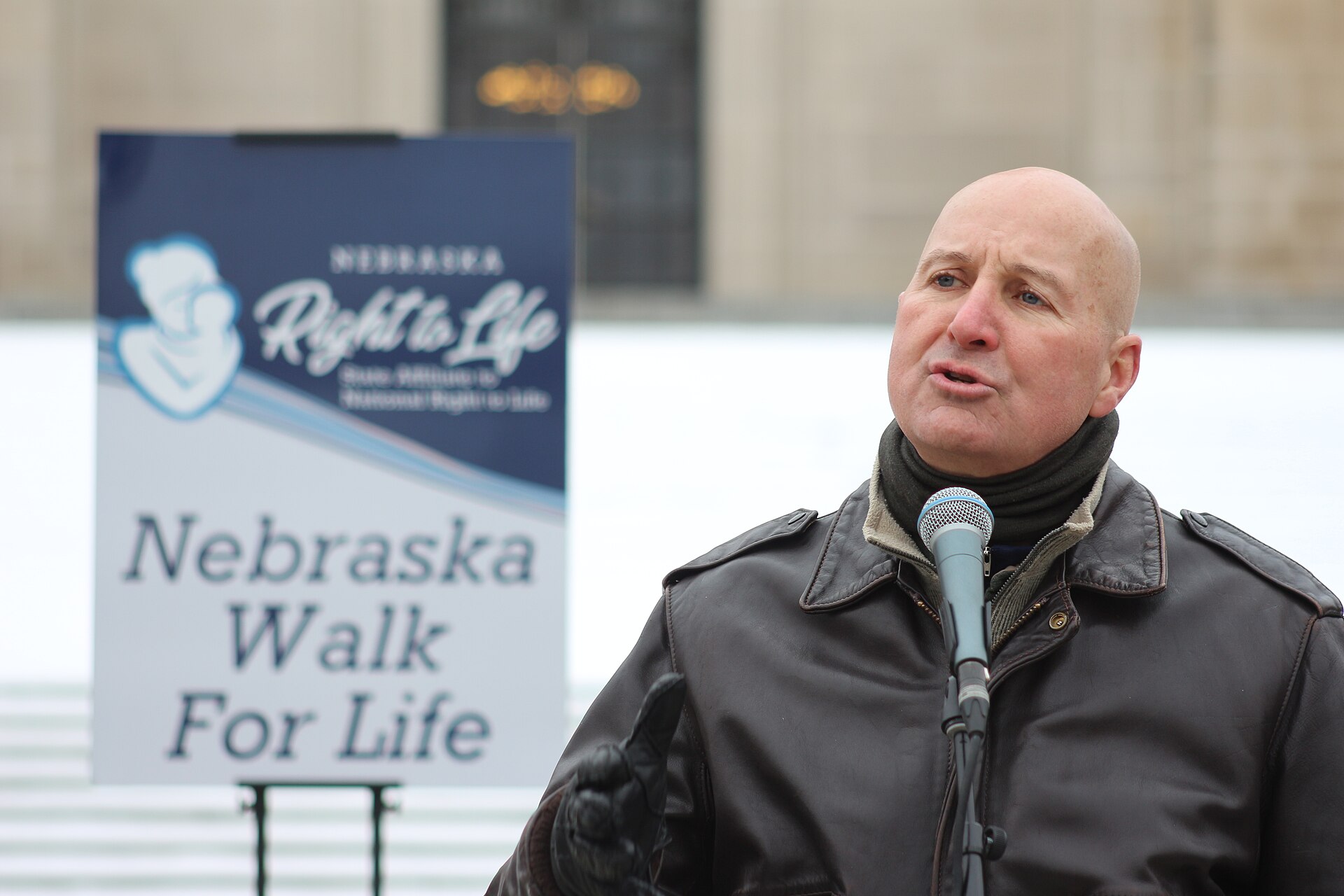
Ricketts did not ignore the question at first. He responded while walking, saying, “I think we should give Mitch the time he needs to be able to recover and come back to the Senate, and we’ll be praying for him, and wish him well.”
That answer was sympathetic to McConnell and avoided the sharper part of Cotton’s question: whether the senator owed the public more information. The exchange then shifted from an interview attempt to a dispute over access and security.
As Ricketts passed a checkpoint, he gestured toward Cotton and the cameraman while speaking to officers. “These guys are not… Only he’s with me, these two are not,” Ricketts said, distinguishing his own staffer from the journalist and camera operator.
Why Capitol Police got involved
The role of Capitol Police in the encounter appears to have started at the security checkpoint, not from an allegation that Cotton posed a threat. In the video described by The Independent, Ricketts pointed out to officers that Cotton and the cameraman were not part of his group.
When Cotton objected — “Yeah, but I’m a reporter, sir” — Ricketts replied, “He’s gotta go through security,” and continued walking away. Cotton then said he had already been through security as the senator moved on.
That distinction is central to why the moment drew attention. Capitol security is real and strict, especially around lawmakers. But reporters who cover Congress routinely question senators in hallways, and those encounters are a normal, if sometimes uncomfortable, part of Capitol Hill journalism.
Cotton later posted the clip on X and accused Ricketts of using Capitol Police to avoid “answering basic questions.” Ricketts’ side, at least from the reported exchange, was that the reporter and camera operator were not with him and needed to pass through proper security procedures.
Ricketts’ apology softened the dispute
Ricketts did not dig in publicly after the clip circulated. The senator later replied that he had “reacted poorly,” according to The Independent, and indicated that he called Cotton to apologize. Cotton accepted the apology.
That matters because the incident could have become a larger fight over press access, especially if Ricketts had defended the move as a proper response to being questioned. Instead, his apology effectively conceded that the moment did not look good.
Still, the apology does not erase the broader issue. Lawmakers often face aggressive hallway questions, and reporters sometimes press beyond what politicians consider polite. But elected officials have power, staff and security around them. When police are pulled into a press encounter, even briefly, the balance changes.
For journalists, the concern is that invoking security can chill basic questioning. For lawmakers, the counterargument is that the Capitol is not an ordinary office building, and movement through secure areas is governed by rules that reporters must follow.
McConnell’s health is the real pressure point
The confrontation became news because of the person at the center of Cotton’s question: Mitch McConnell. The Kentucky Republican has been hospitalized since June 14, and his team has tried to reassure the public that he remains engaged.
Earlier in the week, McConnell’s team released a new photo, described by critics and observers as a “proof-of-life” image, along with a statement saying he is “still working hard to get back to my full schedule of work in the Senate and in Kentucky.”
That statement was meant to calm speculation. It also fed the debate over how much medical or functional information voters deserve from a sitting senator whose votes and leadership still matter.
Questions about McConnell are politically sensitive for Republicans. He is a seven-term senator and a defining figure in modern Senate politics. Pressing colleagues about his condition forces them to choose between loyalty, privacy and transparency.
Democrats are pressing for transparency
Democrats have been more direct in calling for answers. Kentucky Gov. Andy Beshear wrote to McConnell saying that if he is unwilling to voluntarily show he still has the capacity to serve, Beshear would press Senate Majority Leader John Thune to investigate and report to the American people, according to The Independent’s summary of the letter.
New York Rep. Alexandria Ocasio-Cortez has also argued that honesty about McConnell’s condition is “tremendously important,” pointing to the narrow margins that shape congressional votes.
Those calls are not only about one senator’s health. They reflect a recurring Washington problem: there is no easy consensus on when private medical recovery becomes a public governance issue. The older and more powerful the officeholder, the more intense that question becomes.
McConnell’s allies have tried to lower the temperature. Thune and conservative commentator Scott Jennings have said they have had lengthy phone calls with him during his absence, an attempt to show that he remains engaged even if he is not back to a full public schedule.
The unresolved questions after the clip
The Ricketts-Cotton exchange leaves several points unclear. The public video, as described, shows a tense moment at a checkpoint, but it does not settle whether Cotton’s positioning violated any specific security rule. It also does not show a formal Capitol Police action against him in the reported account.
What it does show is how fast a routine hallway question can become a symbolic fight. A reporter asks about an absent senator’s health. A colleague offers a brief answer. Then security enters the frame, and the story becomes about whether power is being used to avoid scrutiny.
Ricketts’ apology reduces the personal stakes of the incident, but it does not answer the underlying question Cotton was asking: how much information should McConnell provide while he remains away from his full Senate duties?
Until McConnell returns to a visible schedule, questions about his health will keep landing on colleagues as well as his own office. And after this Capitol Police episode, senators may find that how they respond to those questions gets as much attention as what they say.



Leave a Reply