
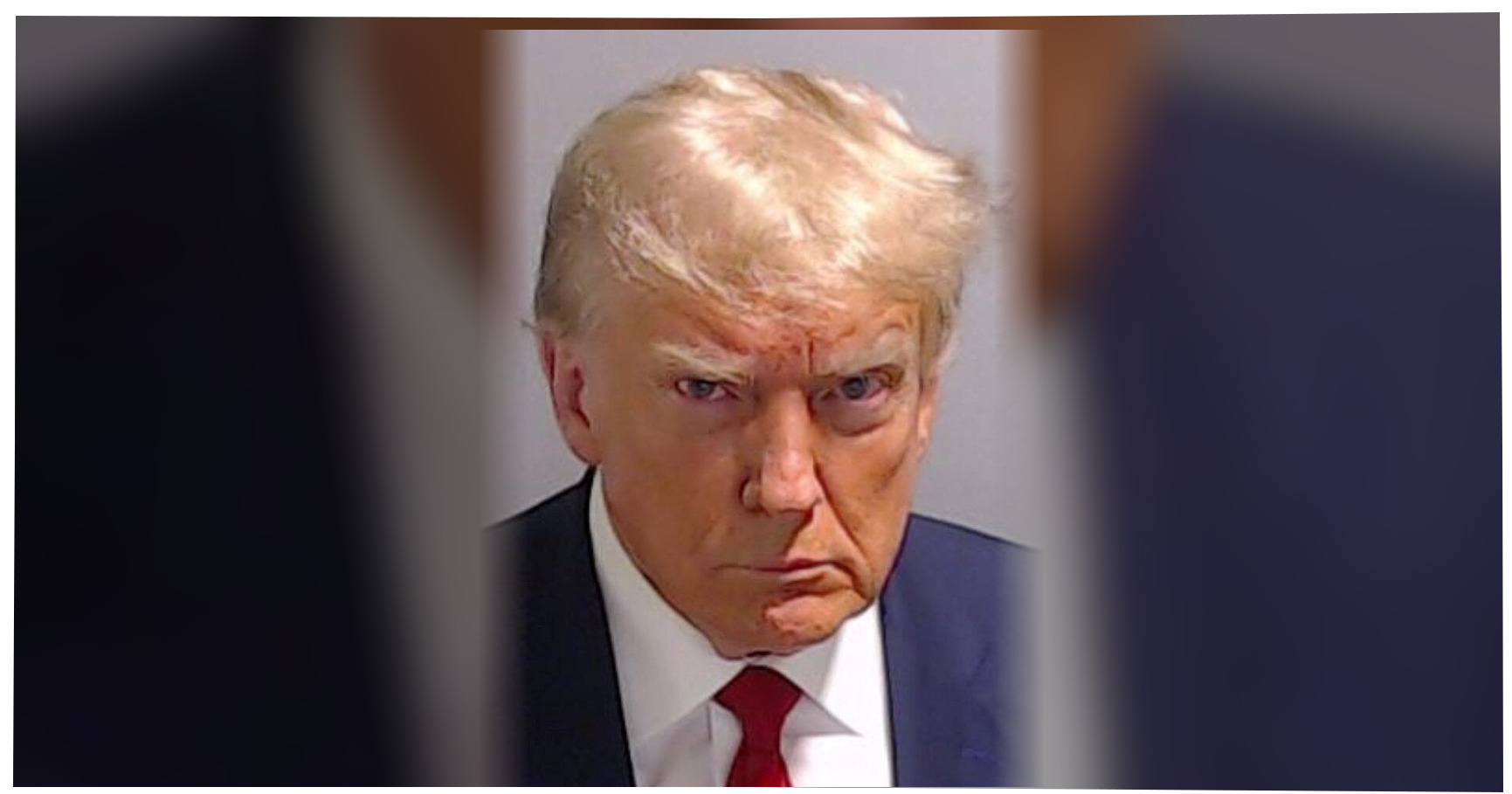
A judge’s early order gave Perkins Coie temporary relief, while reporting from Reuters and The New York Times documented broader alarm over federal actions aimed at major law firms.
Perkins Coie challenged an executive order issued by President Donald Trump, and a federal judge temporarily blocked a major part of it from taking effect, according to The New York Times’ March 12, 2025, reporting. The order had sought to restrict security clearances for the firm’s lawyers and limit access to federal facilities and officials.
The temporary order did not resolve every legal question in the dispute. But it placed an early judicial check on an action that lawyers and legal experts said could affect firms’ willingness to represent clients whose work puts them at odds with the administration.
The temporary order against Perkins Coie
Perkins Coie had previously worked for Hillary Clinton’s 2016 presidential campaign. Trump’s order sought to strip security clearances needed by some of the firm’s lawyers and to curb the firm’s access to government buildings and officials, The New York Times reported.
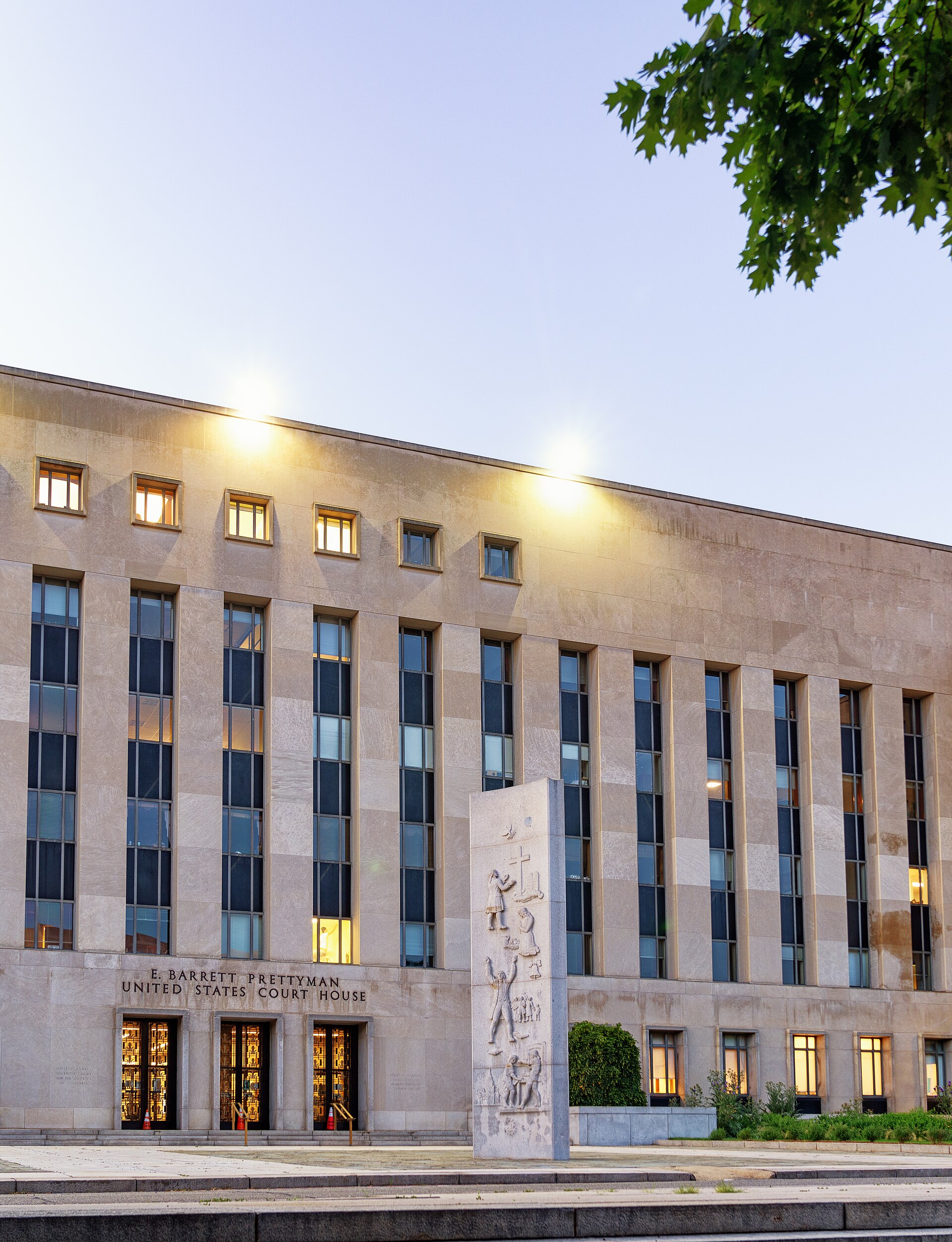
In its initial ruling, a judge temporarily blocked a major portion of that order. The ruling was an interim measure, not a final decision on the constitutional or administrative-law issues raised by the case.
Perkins Coie said it had already lost significant revenue after clients ended relationships with the firm in the days after the order was signed, according to The New York Times.
What other firms faced
Perkins Coie was not the only firm affected. Trump had revoked security clearances held by lawyers at Covington & Burling who were advising Jack Smith, the special counsel whose office brought two federal criminal indictments against Trump.
Reuters reported in March 2025 that Trump’s targeting of major firms over diversity policies and political clients had drawn condemnation from lawyers, although many in the profession had not spoken publicly.
The actions involved tools within the executive branch’s control: security clearances, access to federal buildings and contact with federal officials. The legal disputes concern how those tools may be used.
Concerns about legal representation
The New York Times described the actions as part of a retribution campaign against law firms. Legal experts and analysts told the newspaper that the actions could undermine a basic feature of the legal system: a client’s ability to secure vigorous representation.
Those experts and critics expressed concern that firms could reconsider taking politically contentious cases if they believed their representation might expose them to federal restrictions. That is a concern about a potential chilling effect, not an established outcome in every case.
Samuel W. Buell, a former federal prosecutor and Duke law professor, told The New York Times: “This is certainly the biggest affront to the legal profession in my lifetime.” His assessment was an opinion, not a court finding.
Questions still before the courts
The disputes raise questions about the reach of executive authority over security credentials, federal property and access to government officials. They also test whether restrictions on a private law firm can be tied lawfully to the firm’s conduct or legal work.
Supporters of the administration could argue that the executive branch has authority to manage security clearances and access to federal facilities. Critics argue that the actions punish firms for clients and matters associated with Trump’s political adversaries.
For now, the temporary ruling in the Perkins Coie case leaves the broader issues unresolved. The litigation’s outcome may clarify the protections available to lawyers when their clients’ interests conflict with those of the White House.



Leave a Reply