
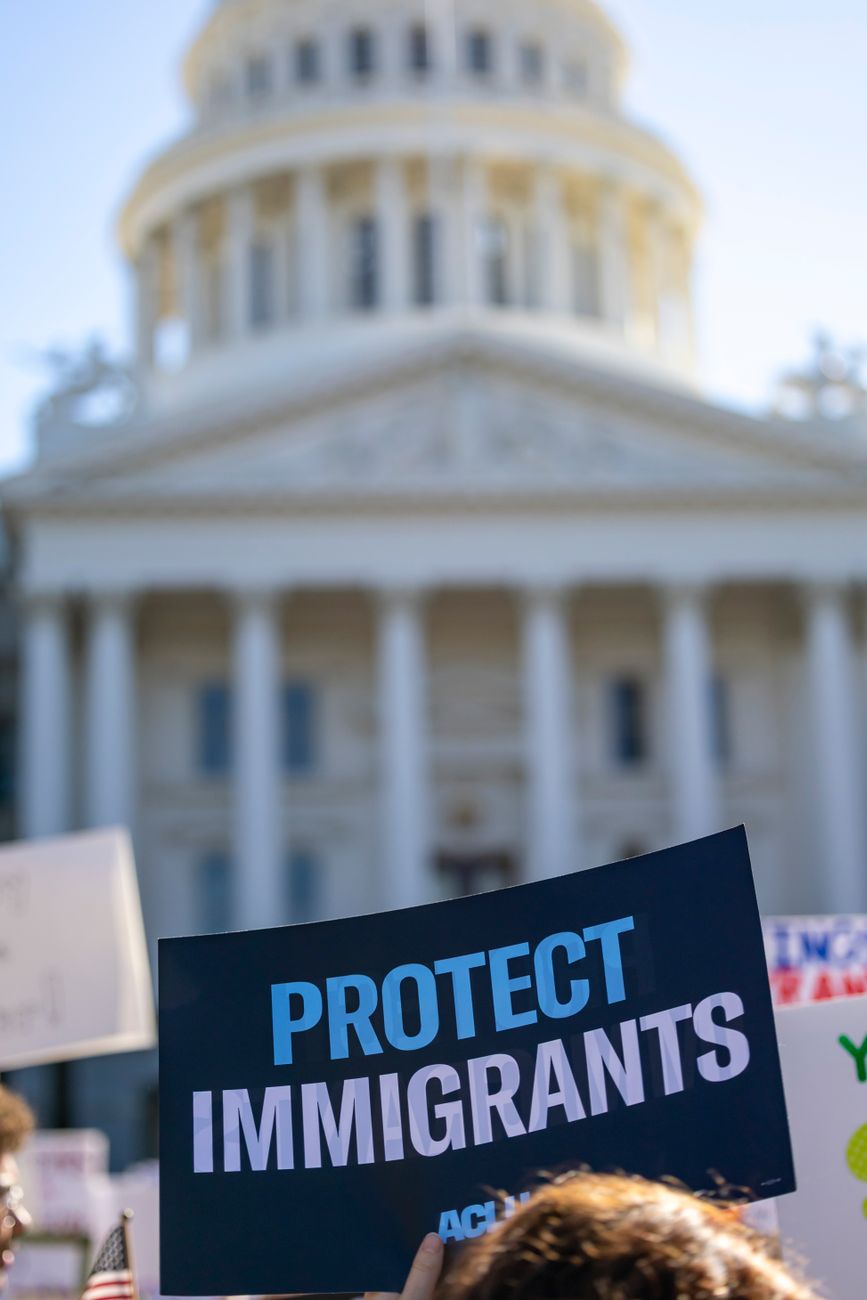
The law still gives spouses of U.S. citizens a powerful immigration pathway. The pressure point now is what happens while couples wait.
For decades, marriage to a U.S. citizen has been seen as one of the most direct routes into the American immigration system. That perception is now running into a tougher enforcement climate.
The Trump administration has not ended marriage-based immigration. But according to a Newsmax report citing NPR, immigration lawyers and advocates say couples are facing more interviews, broader background checks, added document requests and deeper uncertainty while cases are pending.
The law did not change
The key distinction is simple but often misunderstood: marrying a U.S. citizen does not automatically make someone a citizen. It can begin a process that may lead first to lawful permanent residence, better known as a green card, and later to naturalization.

Spouses of U.S. citizens are treated as immediate relatives under immigration law. That matters because they are not subject to the same annual visa caps that slow many other family-sponsored immigration cases.
After a spouse receives a green card, the citizenship clock can move faster than it does for many other permanent residents. In many cases, a spouse may apply for naturalization after three years, provided the couple remains married and living together and the applicant meets other requirements, including residence, physical presence, English and civics standards.
That legal pathway remains in place. The dispute is over how aggressively the government is reviewing and policing cases before benefits are granted.
The waiting period carries more risk
U.S. Citizenship and Immigration Services says the tougher approach is about screening, not changing eligibility rules. USCIS spokesman Zach Kahler said, according to the report, that “enhanced screening and vetting processes help identify fraud, public safety and national security concerns before immigration benefits are granted.”
The agency’s other message is the one causing alarm among some families: filing paperwork is not the same as having legal protection. Kahler said “the filing or approval of an immigrant petition does not confer any immigration status or protect an alien from removal.”
That point is especially important for spouses who are already in the United States without lawful status, have overstayed a visa or have other immigration complications. A marriage petition may be part of a legal route forward, but USCIS is emphasizing that it does not freeze enforcement.
For couples, that changes the emotional math. A filing that once felt like a step toward safety may now feel like a moment of exposure, especially if a case requires in-person interviews or triggers deeper review.
Why marriage cases draw scrutiny
Marriage-based immigration has always required proof that the relationship is real. The government is not only checking whether a wedding occurred; it is checking whether the marriage was entered into in good faith and not primarily for immigration benefits.
That review can include evidence of a shared life: joint leases or mortgages, bank accounts, insurance policies, tax filings, children’s birth certificates, photographs, travel records, messages and affidavits from people who know the couple. Officers may also interview one or both spouses about their home, routines and relationship history.
Under the current approach described by attorneys in the report, those reviews are becoming more intensive in some cases. That may mean additional interviews, requests for more evidence or longer pauses while background checks are completed.
The government’s stated concern is fraud and security. The concern from attorneys and advocates is that legitimate families can get swept into a slower, more intimidating process even when their marriages are genuine.
A huge pathway is being tested
This is not a niche corner of immigration law. Federal data cited in the report show roughly 343,000 people obtained lawful permanent residency through marriage in 2024. That was about one-quarter of all green cards issued that year.
Those numbers explain why any shift in marriage-based processing can ripple widely. It affects U.S. citizens as well as foreign-born spouses, and it reaches households with children, mortgages, jobs and long-term roots in their communities.
It also sits at the center of a political argument about immigration enforcement. Supporters of stricter vetting say the government has a duty to detect fraudulent marriages and identify people who pose security or public safety concerns before granting immigration benefits.
Critics say the same tools can create a chilling effect, leaving eligible families afraid to file and causing some couples to delay seeking lawful status even when the law provides a route.
Attorneys see a changed climate
Immigration attorney Charles Kuck told the outlet that “marriage used to be a glide path to citizenship” and now has “more speed bumps.” The phrase captures the shift: the path still exists, but it may not feel predictable.
Another immigration attorney, Rosina Stambaugh, said fear is now shaping decisions. According to the report, some couples are delaying or avoiding paperwork because they worry the immigrant spouse could be detained before the case is decided.
That fear does not mean every marriage-based applicant faces detention. It does mean families are being forced to think carefully about timing, prior immigration history, criminal records, past removal orders and how a filing could interact with enforcement priorities.
For many couples, the practical takeaway is not to assume marriage wipes the slate clean. It may open a door, but what lies behind that door depends heavily on the spouse’s immigration history and the strength of the evidence.
What couples should expect now
Couples considering a marriage-based filing should expect documentation to matter. A rushed or thin application can invite delays, and inconsistent answers in interviews can raise red flags even when the relationship is real.
Useful preparation may include organizing records before filing, reviewing immigration history honestly and understanding whether the foreign-born spouse has any issues that could affect eligibility. For complicated cases, speaking with a qualified immigration attorney before submitting forms can be crucial.
Common friction points include:
- Prior visa overstays or unlawful presence in the United States.
- Past immigration violations, removal orders or missed hearings.
- Criminal history, including old or seemingly minor cases.
- Weak evidence of a shared household or financial life.
- Inconsistent information across forms, interviews and prior applications.
The clean takeaway is that marriage-based immigration remains one of the most important family pathways in the U.S. system. But under heightened scrutiny, it is less safe to treat it as automatic, simple or risk-free.










Leave a Reply