
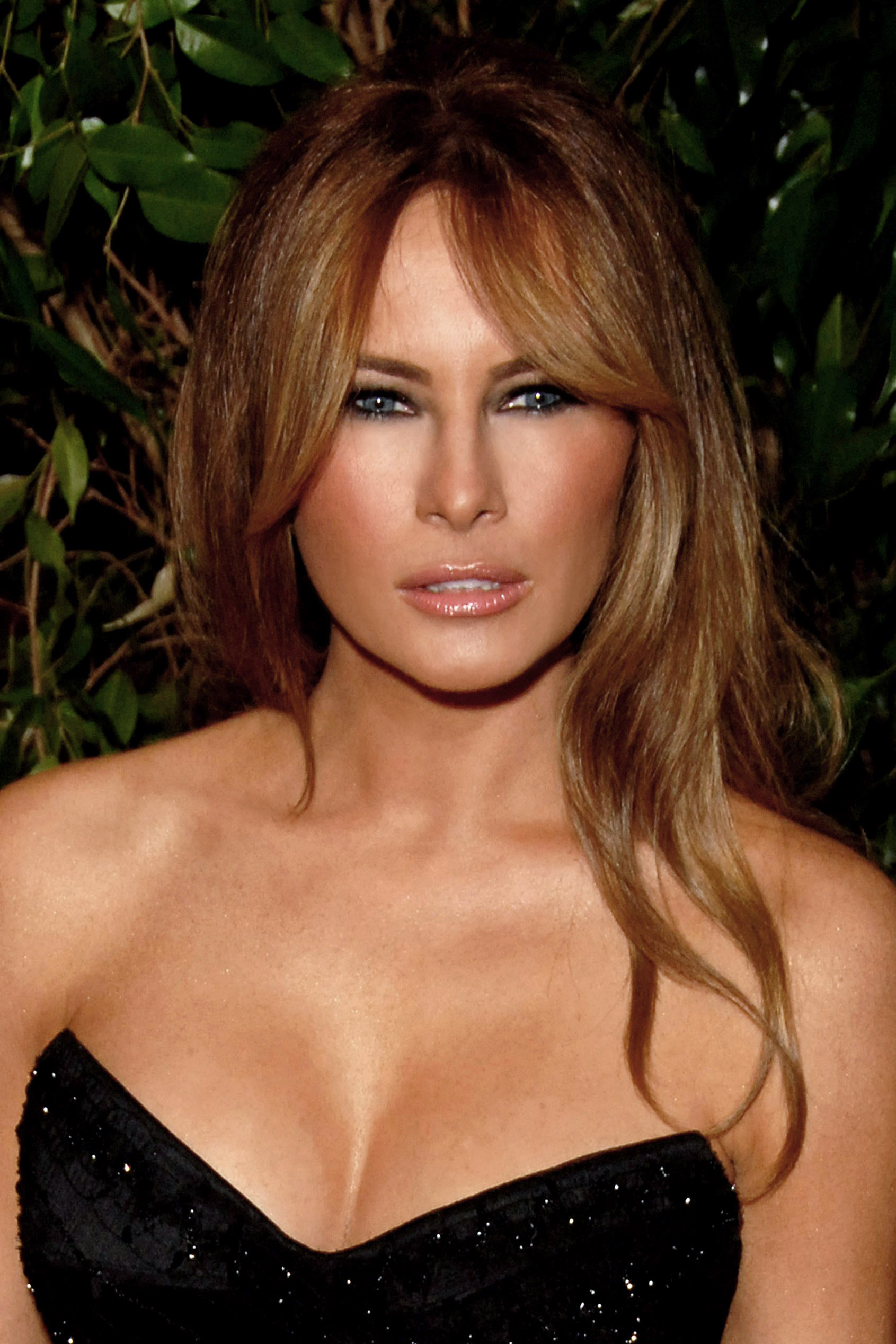
The first lady’s remarks were not only a rebuttal to online rumors. They also tried to shift the Epstein conversation toward public testimony from survivors.
Melania Trump’s latest public fight over Jeffrey Epstein is easy to misread as an odd detour into old scandal territory.
But the April statement posted by the Office of the First Lady was not just a denial. It was an attempt to draw a bright line around her own name while pushing Congress toward public hearings for Epstein survivors.
A denial with a demand
In the statement published on WhiteHouse.gov, Melania Trump opened bluntly: “The lies linking me with the disgraceful Jeffrey Epstein need to end today.” From there, she moved through a point-by-point rejection of claims that have circulated online for years.
She said she had “never been friends with Epstein” and described any overlap as a function of New York City and Palm Beach social circles. She also denied having a relationship with Epstein or Ghislaine Maxwell, Epstein’s longtime associate who was later convicted in federal court.
The most specific part of the statement addressed the origin story of her relationship with Donald Trump. Melania said Epstein did not introduce her to her husband and that she met Donald Trump by chance at a New York City party in 1998, an account she said is detailed in her book, Melania.
Then the statement widened. After denying that she was involved in Epstein’s crimes, flew on his plane or visited his private island, Melania called on Congress to give Epstein survivors a public hearing centered on their testimony.
Why the timing stood out
The Epstein story has never stayed neatly in the past. It resurfaces whenever new court filings, political claims, social media rumors or demands for government records hit the news cycle.
That is why a formal first lady statement about Epstein drew attention. It did not read like a passing answer to a shouted question. It read like a legal and political boundary marker.
The statement also referred to “fake images and statements” circulating on social media and warned readers to be careful about what they believe. Melania said false stories had prompted successful demands for apologies and retractions, naming The Daily Beast, James Carville and HarperCollins UK as examples.
Those details help explain the sharper tone. The statement was not simply about Epstein. It was about the way Epstein-related allegations spread, mutate and attach themselves to public figures long after the original criminal cases.
The line she tried to draw
Melania’s statement did something politically delicate: it acknowledged proximity while rejecting implication.
She did not claim Epstein was absent from the social world around Donald Trump. Instead, she said she and Donald Trump were invited to some of the same parties as Epstein “from time to time,” framing that as common in elite New York and Palm Beach circles.
That distinction matters because much of the Epstein discourse lives in the gap between proximity and proof. A photograph, a guest list or a shared event can fuel speculation, but it does not by itself establish participation in wrongdoing.
At the same time, the statement’s denials do not resolve the broader public interest in Epstein’s network. Epstein’s crimes involved powerful social access, secrecy and years of institutional failure. That is why questions around who knew what, and when, continue to draw intense scrutiny.
The survivor-hearing pivot
The most consequential part of Melania’s statement may be the part that moved away from herself.
She said Congress should provide women victimized by Epstein with a public hearing “specifically centered around the survivors.” She called for those who wish to testify to do so under oath and have that testimony entered into the Congressional Record.
That is a different kind of message from a personal denial. It takes a scandal often dominated by names, lists and partisan accusations and redirects attention to the women who say they were harmed.
It also places pressure on Congress. A survivor-centered hearing would be different from another round of political sparring over documents. It would create a public record, under oath, with victims rather than politicians at the center of the story.
What the Epstein record shows
Jeffrey Epstein was a financier whose abuse of girls and young women became one of the most scrutinized criminal scandals in modern American life. He pleaded guilty in Florida in 2008 to state prostitution-related charges involving a minor, then faced federal sex-trafficking charges in New York in 2019.
Epstein died in federal custody in August 2019 while awaiting trial. Authorities ruled his death a suicide, though the circumstances have continued to fuel conspiracy theories and political demands for more transparency.
Maxwell was convicted in 2021 in federal court on charges tied to recruiting and grooming underage girls for Epstein to abuse. She was sentenced in 2022 to 20 years in prison.
Those cases are why any public reference to Epstein carries unusual weight. The name is not just shorthand for scandal. It is tied to real victims, criminal convictions and unresolved questions about who enabled Epstein’s access to wealth, influence and protection.
What still remains unclear
Melania Trump’s statement does not produce new evidence about Epstein. It does not release government records, identify new witnesses or settle the larger debate over whether the public has seen the full picture of Epstein’s connections.
It does, however, clarify her own position. She rejects the claims linking her to Epstein, denies involvement or witness status in Epstein-related proceedings and says the focus should move to survivors willing to testify publicly.
The next question is whether Congress acts on that call. Lawmakers have repeatedly faced pressure to address Epstein-related records and accountability, but survivor-centered hearings would require political will, careful handling and protections against turning testimony into spectacle.
The takeaway is simple: the statement was not random. It was a reputational defense wrapped around a demand for public accountability, and that combination is why it landed beyond the usual churn of Epstein rumors.





Leave a Reply