
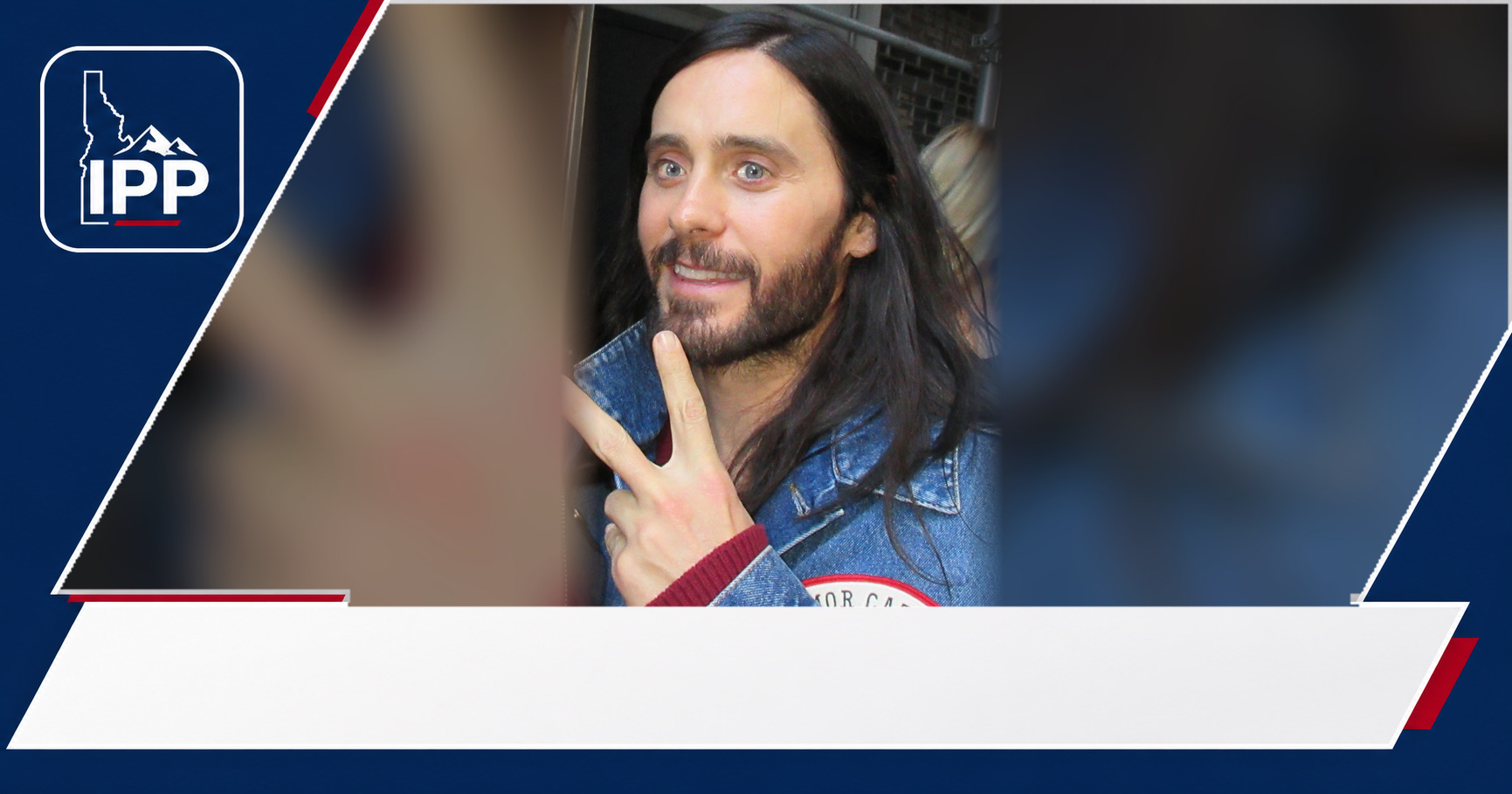
Old comments from Jared Leto’s Suicide Squad era are circulating again as renewed allegations put his professional standing under scrutiny. The key distinction is that resurfaced interview clips are not evidence of the claims now being reported.
Margot Robbie’s past comments about Jared Leto have resurfaced as Jared Leto faces new allegations detailed in a BBC documentary released July 29, 2026. The renewed scrutiny links back to their time promoting Suicide Squad, but old interview remarks do not establish whether the allegations are true; they are drawing attention because they offer a glimpse of how Leto was discussed publicly before the current reporting.
The immediate story is the allegations against Leto and his categorical denial. Robbie has not been identified in the available reporting as an accuser, witness or participant in the BBC documentary, making it important to separate her archived comments from the claims now being examined.
The allegations behind the renewed attention
According to The Associated Press, four women accused Leto of sexual misconduct in the BBC documentary Jared Leto: Hollywood’s Dark Secret. The documentary includes allegations said to date from 2002 to 2016, when the women were teenagers and Leto was an adult.
AP reported that the BBC said it corroborated the women’s accounts. At the same time, AP said the accounts could not be independently verified by the news organization. The women were not identified by their full names in the documentary.
The allegations described by AP are serious, including accusations of sexual assault, statutory rape, threats of sexual assault, sexually explicit phone calls and propositions. Reporting on such claims requires care: allegations are claims, not findings of fact, unless established through a court or another verified process.
Leto has denied the allegations. In a statement to AP, he said: “I have never sexually assaulted anyone in my entire life. These claims are absolutely and categorically false.”
Why Robbie’s old remarks resurfaced
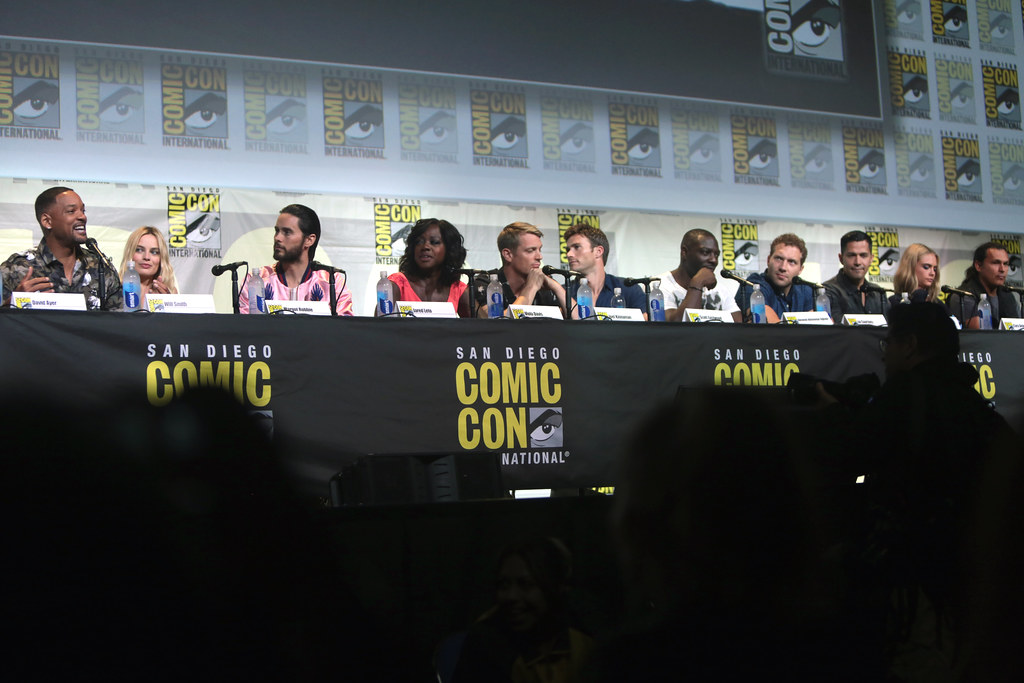
Robbie and Leto were co-stars in 2016’s Suicide Squad, in which she played Harley Quinn and he played the Joker. Their promotional appearances, cast interviews and discussion of the film’s intense production culture created a sizable archive that can be easily recirculated years later.
That is the connection driving the current online attention. When a high-profile actor faces new allegations, audiences often revisit interviews involving co-stars and reassess remarks that may once have been seen as routine promotional material, jokes or anecdotes from a film set.
The available research does not provide a full transcript or independently verified context for the specific Robbie comments now circulating. That gap matters. A short clip, headline or social-media post can omit tone, timing, surrounding questions and the larger conversation in which a comment was made.
It also means the resurfaced remarks should not be treated as corroboration of the documentary’s claims. Robbie’s past comments may explain why people are searching for old footage, but they do not replace the reporting, evidence or responses tied directly to the allegations.
Old publicity clips are not evidence
The temptation to connect every past anecdote to a current controversy is understandable, particularly when celebrities worked together on a major franchise. But promotional interviews are designed to publicize a movie, and performers are often asked to describe co-stars in broad, entertaining terms.
There is a difference between public recollection and evidence. A co-star’s old comment can provide context about a moment in a production cycle; it cannot, on its own, verify events alleged by other people at other times.
That distinction protects everyone involved. It avoids placing words in Robbie’s mouth, avoids implying she has made claims she has not publicly made in the available reporting, and keeps attention on the women whose accounts are central to the documentary.
It also reflects the basic standard for responsible coverage: report what is attributed, identify what remains unverified, and include the response of the person accused. In this case, Leto’s denial is unequivocal, while the allegations remain contested.
Professional fallout is already being watched
The allegations have prompted questions about Leto’s upcoming work. NBC News reported July 31 that Lunik Heist, a Searchlight Pictures project to which Leto is attached, was listed as in preproduction on IMDb but was on hold, according to a source with knowledge of the production.
NBC also reported that another potential role for Leto did not materialize. Those developments do not establish a final industry-wide response, nor do they determine the truth of the allegations. They do show how quickly projects can become subject to review or uncertainty when a public controversy escalates.
Studios, producers and distributors often face competing pressures in these moments: protecting staff and talent, responding to public concerns, honoring contractual obligations and avoiding statements that get ahead of verified facts. The result can be silence, pauses or behind-the-scenes decisions that are difficult for audiences to interpret.
For now, neither the available AP report nor the NBC report establishes a comprehensive public accounting of Leto’s future projects. The immediate facts are narrower: allegations have been reported, Leto denies them, and at least one project connected to him has reportedly stalled.
What remains clear and unclear
What is clear is that Robbie’s name is resurfacing because of her professional association with Leto and the renewed circulation of older comments from the Suicide Squad period. It is also clear that the BBC documentary brought new allegations into public view and that Leto denies them.
What remains unclear from the available material is precisely which Robbie comments are being shared most widely, whether she intends to address their renewed attention, and whether any further reporting or legal action will follow. There is no indication in the supplied reporting that Robbie has commented on the documentary allegations.
The larger lesson is not that every archived celebrity interview contains a hidden answer. It is that digital archives can rapidly change meaning when the surrounding news changes. That can make old footage culturally relevant again, while still leaving it separate from the facts that must be assessed in the present.
For readers following the story, the most reliable frame is straightforward: distinguish between allegations reported by named news organizations, Leto’s denial, and the secondary online conversation about Robbie’s past remarks. Those are related parts of the same news cycle, but they are not the same thing.

Leave a Reply