
The fight is about more than one special counsel report. It tests how much of the Justice Department’s account of a former president’s classified-documents case can remain outside public view.
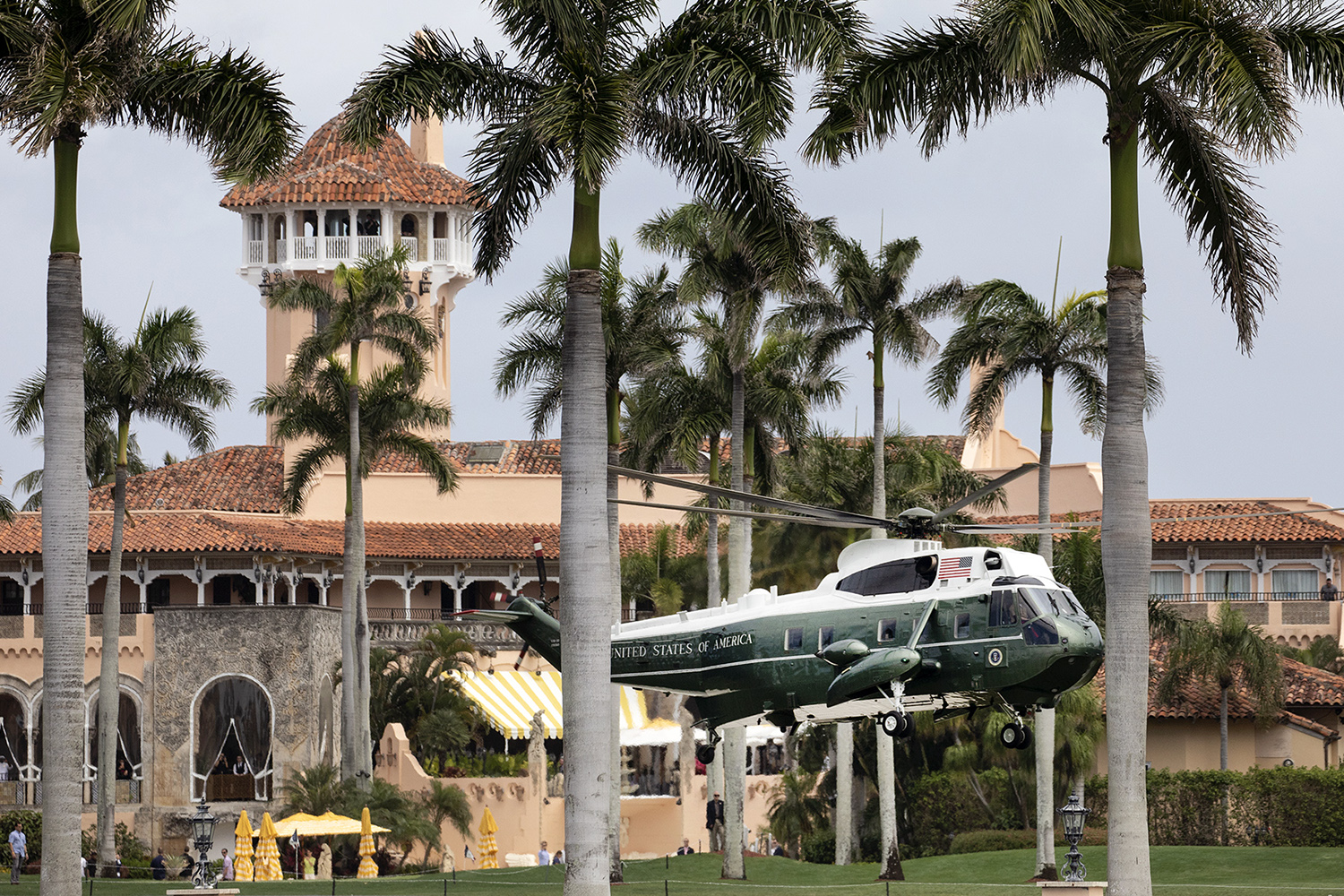
A transparency group is asking a federal appeals court to overturn Judge Aileen Cannon’s order keeping a Mar-a-Lago special counsel report sealed. The dispute is over whether Special Counsel Jack Smith’s report on Donald Trump’s alleged unlawful retention of classified documents at Mar-a-Lago in Florida should be released to the public.
The Knight First Amendment Institute at Columbia University is challenging Cannon’s refusal at the U.S. Court of Appeals for the Eleventh Circuit, arguing the ruling rests on a fundamental misunderstanding of public-access law and leaves a major Justice Department account out of public view.
A sealed report returns to court
The Knight Institute said it asked the Atlanta-based Eleventh Circuit to reverse Cannon’s order and direct release of Smith’s report. The report concerns the classified-documents investigation that centered on Trump’s Mar-a-Lago property and the Justice Department’s now-abandoned prosecution of Trump.
The group’s position is straightforward: if the government created an official report about alleged criminal conduct by the nation’s highest official, and that report was submitted in connection with a criminal proceeding, the public has a strong claim to see it.
Cannon, a federal judge in Florida, previously refused to make the report public. The Knight Institute says that refusal is legally wrong under the First Amendment, common law and the Freedom of Information Act.
The appeal matters because Smith’s public-facing work on the classified-documents case has been fragmented by litigation, dismissal and post-case maneuvering. A report that might explain charging decisions, evidence and institutional choices remains sealed while the political and historical significance of the case continues to grow.
What Knight says Cannon got wrong
The Knight Institute’s argument is not simply that the public is curious. It says courts have long recognized a right of access to records filed in connection with criminal proceedings, especially when those records bear on how the justice system handled matters of national importance.
Scott Wilkens, senior counsel at the Knight Institute, said in the group’s announcement that there is no good reason for withholding the report and that the public has a right to it under the First Amendment, common law and FOIA.
That is where the phrase “fundamental misunderstanding” fits into the dispute. The Institute is arguing that Cannon treated the report as something the public could be denied even though, in its view, the law starts from the opposite presumption: judicial records and official accountability documents should generally be open unless a specific, legally sufficient reason justifies secrecy.
The group also asked the Eleventh Circuit not merely to send the issue back for more proceedings, but to order release. That is a more direct request, aimed at ending a long-running delay over a document the Institute says should have been public months ago.
The long delay before denial
The procedural history is part of the Institute’s case. According to the Knight Institute, it filed a motion in February of last year asking Cannon to lift her injunction that barred the Justice Department from releasing Smith’s report.
The Institute also asked Cannon to place the report on the public docket. Its reasoning: because the report had been submitted in connection with a criminal case, access rules for criminal proceedings should apply.
When Cannon did not rule for 218 days, the Institute went to the Eleventh Circuit. That court held that she had unduly delayed deciding the motion and ordered her to rule within 60 days, according to the Institute.
Cannon denied the request 11 days before that deadline expired. The new appeal is the Institute’s attempt to get the appeals court to review that denial and decide whether the report belongs in public view.
Why this report is different
Special counsel reports occupy an unusual place in American law and politics. They are not ordinary press releases, but they are also not just internal memos. They are often the government’s most complete explanation of investigations that carry major public consequences.
Smith’s Mar-a-Lago report is especially sensitive because it deals with allegations that Trump unlawfully retained classified documents after leaving office. Trump has denied wrongdoing in the classified-documents case, and the prosecution against him was dismissed by Cannon before the Justice Department abandoned it as to Trump.
That mix creates the central tension. Transparency advocates argue the public deserves to know how the Justice Department assessed the evidence and why it made the decisions it made. Opponents of release can point to familiar concerns in criminal cases: classified information, privacy, reputational harm and the interests of people who were investigated or charged but not ultimately convicted.
The Knight Institute’s answer is that those concerns do not justify burying the report wholesale. Courts can use redactions or tailored protections when secrecy is necessary, but the Institute’s filing presses the broader point that total non-disclosure carries its own cost.
A separate fight over destruction
The appeal is not the only active dispute over the report. In a separate filing, the Knight Institute told Cannon that she lacks jurisdiction to order destruction of Smith’s report, which Trump’s co-defendants have asked her to do, according to the Institute.
The group says the appeal now before the Eleventh Circuit divests Cannon of authority over issues relating to the report. In plain terms, once the release question moved to the appeals court, the Institute argues, Cannon should not decide what happens to the document.
The Justice Department has also asked that the report be relegated to the “dustbin of history,” according to the Knight Institute’s description of the litigation. That stance complicates the usual assumption that the government will always defend publication of its own official work.
For the public, the destruction question raises the stakes beyond timing. A sealed report can, at least in theory, be released later. A destroyed report would create a far more permanent barrier to public scrutiny.
What the Eleventh Circuit may decide
The Eleventh Circuit now has several possible paths. It could agree with Cannon and keep the report sealed. It could reverse her and order release. It could also send the matter back with instructions for a narrower review, such as considering redactions instead of full secrecy.
The court’s decision could shape how future special counsel records are handled when investigations involve a president, former president or other high-ranking official. If the report remains sealed, public-access groups may see the ruling as a warning that even historically significant criminal records can be kept from view after a case collapses. If it is released, courts may have a stronger precedent for treating special counsel reports as records of public accountability.
What remains unclear is how much of Smith’s report, if released, would be visible without redactions. Classified information and grand jury material can trigger separate legal protections, and the record may include details courts are reluctant to disclose in full.
Still, the core question is now sharply presented: whether a report about one of the most consequential federal investigations of a president can stay buried because a trial judge said no, or whether the public-access principles cited by the Knight Institute require the Eleventh Circuit to step in.






Leave a Reply