

The Democratic calendar fight is really a fight over what kind of voters should shape the party’s next nominee first. The tradeoff: representation, tradition and Electoral College strategy do not point to the same map.
Democrats chose South Carolina to lead off the 2028 presidential nominating calendar after the Democratic National Committee’s Rules and Bylaws panel voted Friday to reorder the Democratic primary calendar: South Carolina-first voting on January 22, 2028, with only six states allowed before Super Tuesday on March 7, 2028 — South Carolina, Nevada, New Hampshire, New Mexico, Michigan and Virginia. Iowa, long the traditional kickoff, was sidelined; the new calendar breaks with decades of tradition, and the plan raises questions about battleground states.
The choice says a lot about how Democrats want to define their next nomination fight. It elevates more racially diverse states and core Democratic constituencies, but it also creates a sharper tension between who should test candidates first and which states are most likely to decide the general election.
The calendar Democrats picked
The DNC panel’s recommendation would put South Carolina first on January 22, 2028, followed by Nevada and New Hampshire, two states familiar to early presidential politics. New Mexico, Michigan and Virginia would also be allowed to vote before Super Tuesday on March 7.
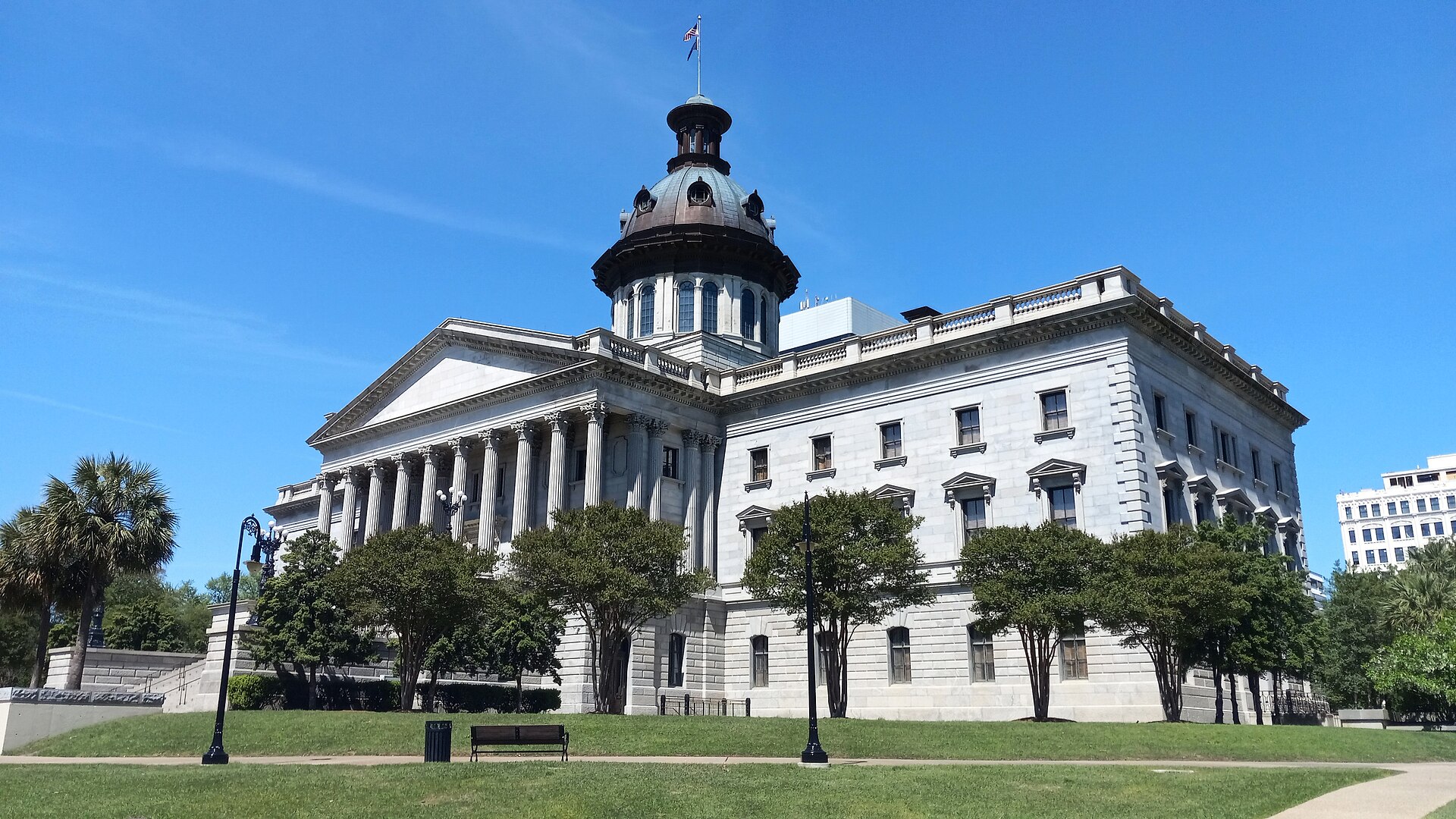
That makes six early states in all. The calendar still has another step: NPR reported that the recommendation is expected to go before the full Democratic National Committee in August for a vote before it is finalized.
The move continues the party’s break from the old Iowa-first model. South Carolina also led the Democratic calendar in 2024, the first cycle in which Democrats did not begin with the Iowa caucuses and the New Hampshire primary in the traditional order.
For voters, the calendar matters because early states get more than symbolism. They get candidate visits, organizing money, media attention and the power to turn a little-known contender into a serious national figure — or end a campaign before most of the country has voted.
Why South Carolina won
South Carolina’s case starts with Black voters, one of the Democratic Party’s most important and reliable constituencies. NPR noted that key Democrats pushed the state’s first-place slot as a way to prioritize Black voters in an open 2028 primary.
The state also carries powerful recent history for the party. Joe Biden’s 2020 campaign was revived by his South Carolina win, which helped launch him into Super Tuesday and eventually the Democratic nomination.
South Carolina Democratic Party chair Christale Spain framed the choice as a commitment to the South, arguing during the committee process that Democrats have to invest there if they are serious about changing the country. She also pointed to practical advantages, including flexibility on election dates and two weeks of early voting.
The numbers explain the political logic. NPR cited state voting data showing nearly one in four registered voters in South Carolina is Black, and AP VoteCast found that 83% of Black voters nationwide backed Kamala Harris in the last presidential election.
The battleground-state problem
The weakness in the South Carolina-first plan is not that South Carolina lacks Democratic voters. It is that the state is not usually treated as a decisive presidential battleground in the way Michigan or Nevada are.
That creates an awkward split in the party’s strategy. Democrats want an early calendar that reflects their coalition, especially Black, Latino, Asian American, Native American and working-class voters. But a presidential nominee also has to be tested in places that resemble the Electoral College map they must win in November.
Michigan helps answer that critique because it is both diverse and central to Democratic general-election math. Nevada, too, has been a key competitive state and a test of Latino and working-class support.
But the broader early lineup is mixed. Virginia and New Mexico can showcase suburban, Latino and diverse electorates, yet they are not always grouped with the hardest-fought presidential tossups. New Hampshire remains early, but it is small. Iowa, once the gatekeeper, is now off the early list after years of criticism that it was too white and too unrepresentative of the party.
Nevada exposed the tradeoff
Nevada had a strong argument for going first. David McDonald, a member of the DNC committee, said during the meeting that the party should start in the West and described Nevada as offering a strong combination of diversity, certainty and opportunity, according to NPR.
That pitch was aimed at one of Democrats’ biggest 2028 concerns: Latino voters. NPR noted that Nevada’s population includes Latino, Black, Asian American and Pacific Islander, Native American and working-class voters — the kinds of groups Democrats need to rebuild or hold after the 2024 election.
Yet Nevada did not get the top slot. NPR reported that some committee members raised concerns about the state’s ability to rapidly process election results, a practical issue that can matter enormously in the first contest. A messy or delayed first result can weaken the very purpose of going first: producing a clean early signal.
That is the calendar debate in miniature. South Carolina offers clarity, a large Black electorate and a proven Democratic story line. Nevada offers a more obvious battleground and demographic test. Democrats chose the former to start, while keeping the latter near the front.
Iowa lost more than status
Iowa’s sidelining is one of the clearest signs that the Democratic Party is no longer willing to let tradition settle the nomination order. For decades, Iowa’s caucuses gave the state outsize influence over presidential politics, even though its electorate did not closely match the Democratic coalition nationally.
The case against Iowa had been building for years. Critics argued that the state was too white, too rural and too dependent on a caucus process that could be difficult for shift workers, parents and voters with disabilities.
New Hampshire fared better than Iowa in the new recommendation, but it still lost the first-in-the-nation position Democrats once treated as nearly automatic. Under the proposed calendar, it would remain early, just not first.
For Iowa and New Hampshire, the shift is a demotion. For Democrats nationally, it is a statement that the party wants its first voters to look less like the old political calendar and more like the voters it says it must mobilize.
What remains unsettled
The full DNC still has to vote, so the calendar is not formally locked in. States also have their own election laws, party rules and logistical constraints, which can complicate even a carefully designed national plan.
The bigger question is how candidates will campaign under this map. A South Carolina-first calendar could reward candidates with deep relationships among Black voters and Southern Democrats. It could also pressure campaigns to build broader coalitions earlier instead of relying on momentum from Iowa-style retail politics.
The battleground critique will not disappear. If the goal is to choose a nominee who can win the presidency, Democrats will have to prove that a calendar built around representation can also sharpen general-election instincts.
That is the real test of the 2028 plan. South Carolina gives Democrats a clear opening message about who matters in the party. The battleground states will determine whether that message travels far enough to win.










Leave a Reply